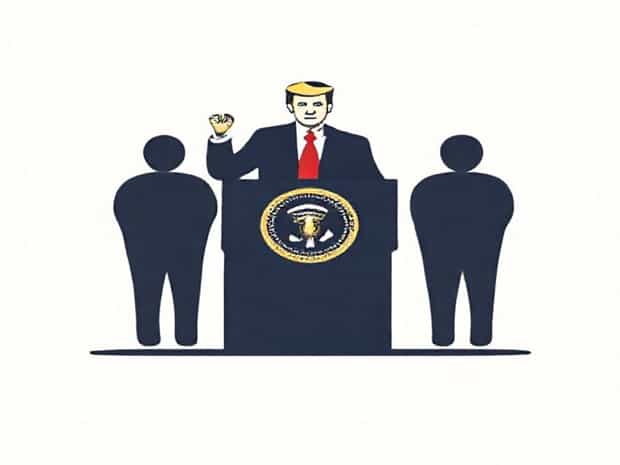
Is The President A Lawmaker?
In many discussions about government and political power, the role of the president is often debated, especially regarding whether the president can be considered a lawmaker. While the president is primarily seen as the head of the executive branch, the question of legislative influence is more nuanced. Understanding the president’s powers, responsibilities, and limitations is essential for anyone studying government, law, or civics. The idea of a president as a lawmaker touches on constitutional provisions, the process of lawmaking, and the interplay between the executive and legislative branches.
The Constitutional Role of the President
The president is defined by the constitution as the chief executive of the nation, tasked with enforcing laws, managing national administration, and representing the country in diplomatic matters. While the president does not directly create laws, the constitution grants several powers that indirectly influence the legislative process. These powers include the ability to sign bills into law, veto legislation, propose legislation, and issue executive orders. Understanding these powers is key to determining the president’s role in lawmaking.
Executive Orders and Presidential Authority
One of the most significant ways a president can influence lawmaking is through executive orders. Executive orders are directives issued by the president to manage operations within the federal government. Although they do not go through the legislative process, executive orders have the force of law, provided they align with existing statutes and constitutional limits. For example, a president can direct federal agencies to implement certain policies, effectively shaping national law without direct involvement from Congress.
The Power to Veto
The presidential veto is another critical tool in the legislative process. When Congress passes a bill, the president has the option to approve it by signing it into law or reject it by issuing a veto. A veto can prevent legislation from becoming law unless Congress overrides it with a two-thirds majority in both the House and the Senate. This power gives the president significant influence over lawmaking, as the possibility of a veto can shape the content and direction of bills before they even reach the executive desk.
Influence on Legislation
Although the president is not a legislator in the formal sense, they play an essential role in shaping legislation. Presidents can propose new laws to Congress through formal addresses, policy proposals, or budget submissions. These proposals often reflect the president’s political priorities and policy goals, and they can significantly influence congressional agendas. For instance, the annual State of the Union address is an opportunity for the president to outline legislative priorities and encourage lawmakers to take action on specific issues.
Lobbying Congress and Political Pressure
Beyond formal proposals, the president can also exert influence by lobbying members of Congress and leveraging political pressure. Presidents can work with party leaders, engage in public advocacy, and negotiate with lawmakers to advance their legislative agenda. This role is particularly visible when the president’s party holds a majority in Congress, allowing the executive branch to guide lawmaking more effectively. Through speeches, media campaigns, and personal meetings with legislators, the president can encourage the passage of laws aligned with their policy objectives.
Signing Statements
Presidents may also issue signing statements when approving legislation. These statements explain how the president intends to interpret or implement a law, sometimes highlighting constitutional concerns or administrative guidelines. While signing statements do not change the text of the law, they can influence its practical application and shape how executive agencies enforce it. This subtle yet powerful tool demonstrates how the president can affect lawmaking even after a bill becomes law.
Limits on Presidential Lawmaking
Despite the various tools at their disposal, the president’s role as a lawmaker is limited. The legislative branch retains primary responsibility for creating laws, and the president cannot unilaterally enact statutes without congressional approval. Checks and balances ensure that the president cannot override the legislative process, maintaining a separation of powers that prevents executive overreach. For example, Congress can override vetoes, refuse to pass proposed legislation, and challenge executive orders in court if they exceed constitutional authority.
Judicial Review
The judiciary also serves as a check on presidential lawmaking. Courts can review executive actions, including executive orders and signing statements, to determine whether they are constitutional. If a president exceeds their authority, the judiciary can invalidate actions that conflict with existing law or the constitution. This system of checks and balances reinforces the principle that the president is not a lawmaker in the traditional legislative sense but rather an influential actor within a complex political framework.
The Balance of Power
Ultimately, the president’s involvement in lawmaking reflects a balance of power between the executive and legislative branches. While the president can propose legislation, issue executive orders, and veto bills, formal lawmaking remains the responsibility of Congress. This balance ensures that no single branch of government dominates the process, preserving democratic principles and preventing arbitrary rule. The president’s influence in lawmaking is substantial but conditional on cooperation with Congress and adherence to constitutional limits.
the president cannot be classified as a lawmaker in the strictest sense, because creating laws is the constitutional duty of the legislative branch. However, the president plays a crucial role in shaping legislation through proposals, executive actions, veto power, and public advocacy. By leveraging these tools, the president can influence the content, timing, and enforcement of laws, making the executive branch an essential player in the legislative process. Understanding this distinction is critical for anyone exploring the dynamics of government, the separation of powers, and the interaction between branches in shaping national policy.