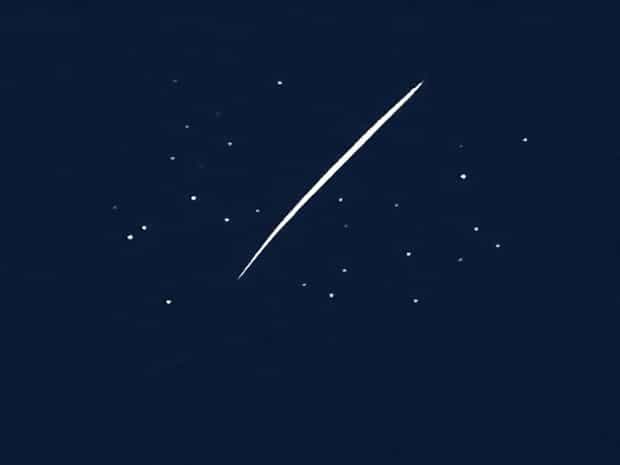
Is The Perseid Meteor Shower Still Going On?
The Perseid meteor shower is one of the most anticipated celestial events of the year, captivating skywatchers around the globe with its spectacular display of shooting stars. Every year in August, the Earth passes through the debris trail left by the Swift-Tuttle comet, resulting in a meteor shower that often peaks with dozens of meteors per hour. Enthusiasts, astronomers, and casual observers alike eagerly plan to witness the dazzling light streaks across the night sky. However, many people wonder whether the Perseid meteor shower is still going on after its peak, and if there is still a chance to catch a few shooting stars in the days that follow.
Understanding the Perseid Meteor Shower
The Perseid meteor shower occurs annually when the Earth moves through the stream of debris left behind by comet 109P/Swift-Tuttle. These tiny ptopics, often no larger than a grain of sand, enter Earth’s atmosphere at incredible speeds and burn up, producing bright streaks of light that we see as meteors. The shower is named after the constellation Perseus, from which the meteors appear to radiate. This meteor shower is particularly popular because it is predictable, reliable, and generally occurs during warm summer nights in the Northern Hemisphere, making it accessible for stargazers of all kinds.
The Peak of the Perseids
The Perseids typically reach their peak around mid-August, usually between August 11 and 13. During this peak, observers can see the highest number of meteors per hour, often ranging from 60 to 100 meteors in optimal viewing conditions. The best time to watch is usually after midnight, when the sky is darkest and the radiant point in the constellation Perseus is highest above the horizon. Although this peak period is the most spectacular, it’s important to note that the meteor shower is active for several days before and after the peak, providing additional opportunities to see meteors.
Is the Perseid Meteor Shower Still Active?
Even after the peak night, the Perseid meteor shower continues for several days. Activity gradually decreases, but it is still possible to see meteors before the shower completely ends. The typical duration of the Perseids stretches from around July 17 to August 24. While the number of visible meteors diminishes after the peak, enthusiasts can still catch sporadic meteors if they observe under dark skies with minimal light pollution. Therefore, if someone misses the peak night, there is still a window of opportunity to witness a few of these celestial phenomena.
Factors Affecting Visibility
Several factors influence whether the Perseid meteor shower can still be seen after its peak. One of the main considerations is the phase of the moon. A bright moon can wash out fainter meteors, reducing visibility. Observers should aim for nights when the moon is not full, or try to find locations where the moonlight is blocked by natural landscapes. Weather is another crucial factor; clear skies are essential for a successful meteor-viewing experience. Light pollution from city lights can also significantly diminish the number of meteors observed, making rural or remote locations preferable for skywatching.
Tips for Observing the Perseids After the Peak
If you want to catch the Perseids after the peak, there are several strategies that can enhance your chances. First, find a dark location away from city lights. This could be a rural area, a park, or a place with an unobstructed view of the night sky. Second, give your eyes time to adjust to the darkness about 20 to 30 minutes so you can see fainter meteors. Third, lie back or use a reclining chair to maximize your sky coverage and comfort during the observation. Finally, patience is key; even outside the peak, Perseids can appear sporadically, so spending at least an hour watching the sky increases your chances of seeing multiple meteors.
Understanding the Meteor Shower’s Lifecycle
The Perseids, like other annual meteor showers, follow a lifecycle that begins with sparse activity, rises to a peak, and gradually declines. During the early phase, meteors are fewer and less frequent, but they still offer glimpses of shooting stars streaking across the sky. As the shower approaches its peak, meteor activity intensifies, reaching its maximum when the Earth passes through the densest part of the debris stream. After the peak, the frequency slowly diminishes, but the meteors can still be observed for days, making it worthwhile for those who cannot make it to the peak night.
Global Perspective on Perseid Viewing
The Perseid meteor shower is visible from many locations across the Northern Hemisphere, and with proper planning, it can be enjoyed by millions worldwide. While the best viewing conditions are generally found in rural areas away from light pollution, even city residents can sometimes catch glimpses of the brighter meteors. Observing the Perseids after the peak allows for more flexible scheduling, as one does not have to rely solely on the night of maximum activity. This flexibility ensures that enthusiasts have multiple opportunities to appreciate this annual celestial event.
Scientific Significance
Aside from its aesthetic appeal, the Perseid meteor shower holds scientific importance. Astronomers study the trajectory, speed, and composition of meteors to learn more about comets, the solar system, and the origins of meteoritic material. Even after the peak, the meteors provide data points that can contribute to ongoing research. Understanding how the meteors are distributed before and after the peak helps scientists predict future activity levels and improve models of debris streams left by comets.
the Perseid meteor shower is still active after its peak, though the number of visible meteors gradually declines. Observers have a window of several days to enjoy the show, provided they find dark skies and clear weather. By understanding the lifecycle of the shower, considering factors like moonlight and light pollution, and adopting practical viewing strategies, skywatchers can continue to experience the magic of the Perseids even after the busiest nights have passed. The Perseid meteor shower, with its brilliant streaks and awe-inspiring displays, remains a highlight of the astronomical calendar, offering excitement and wonder to anyone who takes the time to look up.
- Peak activity Typically August 11-13
- Active period Around July 17-August 24
- Best viewing Dark skies, minimal light pollution, after midnight
- Factors affecting visibility Moon phase, weather, location
- Post-peak viewing Meteors are fewer but still observable
- Observation tips Patience, eye adjustment, reclining position
- Scientific significance Studying meteors for astronomical research