Is The Next Solar Eclipse?
Solar eclipses are awe-inspiring celestial events that captivate observers worldwide. The next solar eclipse is scheduled to occur on September 21, 2025. This will be a partial solar eclipse, visible from specific regions on Earth. Understanding when and where this eclipse will be visible can enhance the experience for skywatchers and astronomy enthusiasts.
What Is a Solar Eclipse?
A solar eclipse happens when the Moon passes between the Earth and the Sun, blocking all or part of the Sun’s light. There are three main types of solar eclipses
- Total Solar EclipseOccurs when the Moon completely covers the Sun, casting a shadow on Earth.
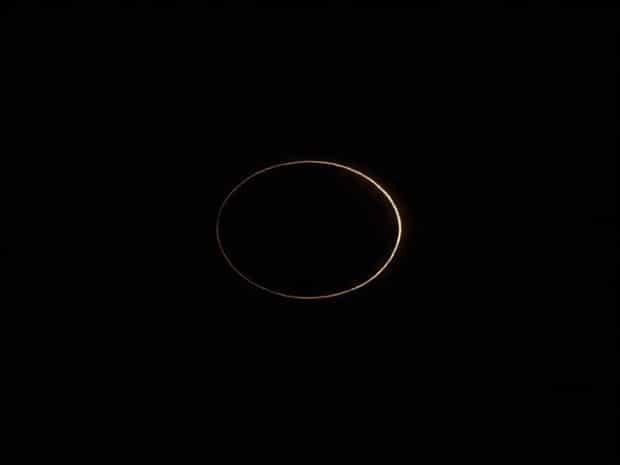
- Annular Solar EclipseHappens when the Moon is directly in front of the Sun but appears smaller, leaving a ring-like appearance around the edges.
- Partial Solar EclipseTakes place when only a portion of the Sun is obscured by the Moon.
The upcoming eclipse on September 21, 2025, will be a partial solar eclipse, meaning that only a part of the Sun will be covered by the Moon’s shadow. This type of eclipse is more common than total eclipses and can be safely observed with proper eye protection.
Timing and Visibility
The partial solar eclipse on September 21, 2025, will unfold over a span of 4 hours and 24 minutes. The key times are as follows (all times in UTC)
- Start Time1729 UTC
- Maximum Eclipse1941 UTC
- End Time2153 UTC
These times translate to local times as follows
- New ZealandStart at 529 AM, Maximum at 741 AM, End at 953 AM (Local Time)
- AntarcticaStart at 529 AM, Maximum at 741 AM, End at 953 AM (Local Time)
Observers in these regions will have the opportunity to witness the eclipse during daylight hours, provided weather conditions are favorable.
Safety Precautions for Viewing
Looking directly at a solar eclipse without proper eye protection can cause serious eye damage. To safely observe the eclipse
- Use Solar Viewing GlassesEnsure they meet the ISO 12312-2 safety standard.
- Avoid Using Regular SunglassesThey do not provide adequate protection.
- Use Pinhole ProjectorsThese indirect viewing methods are safe alternatives.
Never look directly at the Sun through telescopes, binoculars, or cameras without proper solar filters, as this can cause permanent eye damage.
Significance of the Eclipse
Solar eclipses have been observed and studied for centuries, offering insights into the dynamics of our solar system. They also hold cultural and spiritual significance in various societies. The September 21, 2025, partial solar eclipse provides an opportunity for both scientific observation and cultural reflection.
The partial solar eclipse on September 21, 2025, presents a remarkable opportunity for observers in New Zealand and Antarctica to witness a celestial event. By adhering to safety guidelines and being aware of the timing and visibility, skywatchers can enjoy this phenomenon while protecting their eyes. As we approach the date, it’s advisable to stay informed about local weather conditions to maximize the viewing experience.For those outside the visible regions, it’s important to note that this eclipse will not be visible from other parts of the world, including Jakarta, Indonesia. However, future eclipses will offer additional opportunities for observation.In summary, while the September 21, 2025, solar eclipse may not be visible from all locations, it remains a significant event for those within its path. With proper preparation and safety measures, it promises to be an unforgettable experience for observers in the affected regions.