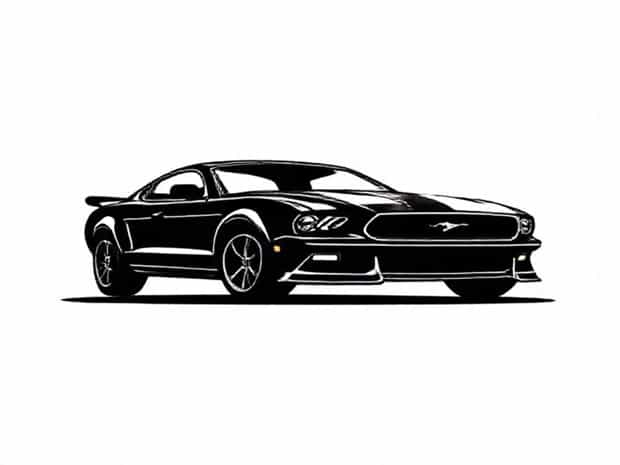
Is The Mach E Mustang?
The Ford Mustang Mach-E has sparked significant discussion in the automotive world, leading many to wonder whether it truly qualifies as a Mustang. With the rise of electric vehicles, Ford decided to carry the Mustang name into the EV market, resulting in the Mach-E, an all-electric SUV with performance-oriented features. While it shares some design cues and performance philosophy with the traditional Mustang, it represents a significant departure from the classic muscle car formula. Understanding whether the Mach-E is a Mustang involves examining its design, performance characteristics, heritage, and the reasoning behind Ford’s branding strategy. This topic delves into all these aspects to provide a clear perspective on the Mach-E’s identity and its place within the Mustang lineage.
Design and Styling
The Ford Mustang Mach-E borrows several styling elements from the classic Mustang, such as the aggressive front grille, muscular contours, and signature tri-bar taillights. However, the Mach-E is an SUV, which significantly changes its proportions compared to the traditional coupe or convertible Mustang. While it carries the Mustang branding, the design reflects a modern, aerodynamic EV shape rather than the long hood and fastback roofline typical of classic Mustangs. Despite these differences, Ford aimed to maintain a sense of sportiness and heritage in the Mach-E’s design.
Exterior Features
- Signature Mustang tri-bar taillights
- Sporty, aerodynamic SUV profile
- Bold front fascia with LED lighting accents
- Optional performance styling packages for GT variants
Interior and Technology
The Mach-E interior emphasizes modernity, with a minimalistic cabin dominated by a large vertical touchscreen, digital instrument cluster, and advanced driver-assist technologies. Unlike traditional Mustangs, the Mach-E offers spacious rear seating and more cargo room, catering to a broader audience looking for practicality alongside performance. Features such as over-the-air software updates, FordPass connectivity, and premium audio systems underline its electric, tech-focused nature.
Performance Characteristics
One of the central debates about whether the Mach-E is a Mustang revolves around performance. Traditional Mustangs are rear-wheel-drive muscle cars with naturally aspirated or turbocharged engines, whereas the Mach-E is an electric SUV with instant torque delivery, multiple battery options, and both rear-wheel and all-wheel-drive configurations. Despite these differences, the Mach-E offers impressive acceleration, particularly in the GT performance variant, which can achieve 0-60 mph in around 3.5 seconds, rivaling many sports cars.
Variants and Powertrains
- Standard Range and Extended Range battery options
- Rear-wheel-drive and all-wheel-drive configurations
- GT variant with high-performance dual-motor setup
- EPA estimated range from 230 to 300 miles depending on model
Driving Experience
The Mach-E’s handling differs from classic Mustangs due to its higher center of gravity and SUV stance. Nevertheless, it delivers a sporty driving experience, aided by low center-of-mass from its battery placement and regenerative braking technology. Steering feedback, acceleration response, and available performance packages aim to give drivers the excitement associated with Mustang vehicles, even if the driving dynamics are distinct from the traditional muscle car feel.
Heritage and Branding
Ford’s decision to name the Mach-E as a Mustang generated debate among enthusiasts. The Mustang name carries decades of heritage tied to American muscle cars, emphasizing raw power, rear-wheel-drive performance, and iconic styling. By branding an electric SUV as a Mustang, Ford signals a continuation of the performance spirit while embracing modern, eco-friendly technology. While some purists argue that the Mach-E does not embody the true Mustang identity, others see it as a strategic evolution of the brand, extending Mustang ethos into the future of mobility.
Symbolism and Marketing
- Maintains connection to Mustang’s performance image
- Positions Ford as a leader in electric performance vehicles
- Appeals to a younger, tech-savvy audience
- Expands Mustang brand into new vehicle segments
Comparison with Traditional Mustangs
Comparing the Mach-E to traditional Mustang models highlights the differences and similarities that influence the debate over its identity. While classic Mustangs are defined by their coupe or convertible body style, internal combustion engines, and rear-wheel-drive dynamics, the Mach-E emphasizes electric performance, SUV practicality, and cutting-edge technology. Both vehicles, however, share a focus on performance, driver engagement, and distinctive styling cues.
Key Differences
- Electric powertrain vs. internal combustion engine
- SUV body style vs. coupe/convertible
- All-wheel-drive option vs. primarily rear-wheel-drive
- Tech-centric cabin vs. traditional analog-focused interior
Key Similarities
- Performance-oriented design philosophy
- Sporty exterior styling with Mustang cues
- Emphasis on driver engagement and acceleration
- GT performance variant available for enthusiasts
Public Reception and Criticism
The Mach-E has received mixed reactions. Automotive critics generally praise its acceleration, technology, and range, considering it a capable electric performance SUV. However, Mustang purists criticize the use of the iconic Mustang name on a vehicle that lacks traditional muscle car traits. Despite the debate, the Mach-E has been successful in establishing itself as a competitive EV in the market, attracting new buyers to the Mustang brand who might not have considered it otherwise.
So, is the Mach-E a Mustang? The answer depends on perspective. From a purist viewpoint, it diverges from the traditional definition of a Mustang muscle car. However, in terms of Ford’s branding and performance philosophy, the Mach-E embodies the spirit of Mustang by offering sporty driving, aggressive styling, and performance-focused engineering, all within a modern electric SUV platform. The Mach-E represents a strategic evolution, bridging Mustang heritage with the future of automotive technology, and expanding the brand’s appeal to a wider, environmentally conscious audience. Ultimately, whether one considers it a Mustang may vary, but its contribution to the brand’s legacy and the EV market is undeniable.