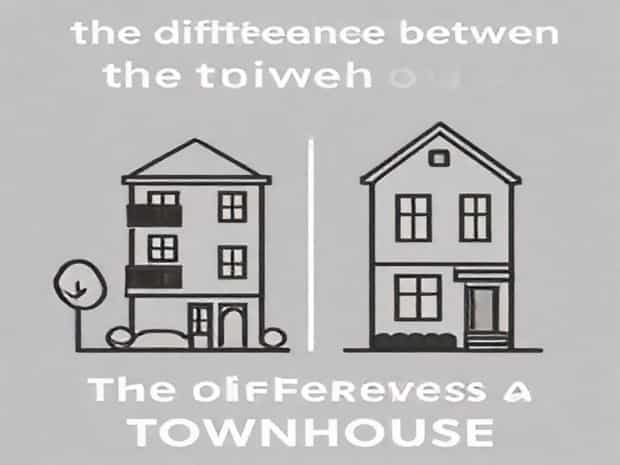
Is The Difference Between A Condo And A Townhouse?
Choosing the right type of home can be challenging, especially when deciding between a condo and a townhouse. Both options offer unique benefits, but they differ in structure, ownership, maintenance, and lifestyle. Understanding these differences is crucial for prospective homeowners and real estate investors. While condos are often associated with apartment-style living and shared amenities, townhouses typically provide more space, a private entrance, and sometimes a small yard. Evaluating your priorities, such as privacy, cost, and maintenance responsibilities, can help determine which option is the better fit for your lifestyle and long-term goals.
Defining a Condo
A condominium, commonly called a condo, is a housing unit within a larger building or complex where individual ownership applies to the interior of the unit. Condo owners share common areas, such as hallways, gyms, pools, and parking lots, with other residents. The exterior structure and common spaces are maintained collectively, often through a homeowners association (HOA). This shared ownership model can be ideal for people who prefer low-maintenance living and want access to community amenities without managing upkeep themselves.
Key Features of Condos
Condos have several defining characteristics that distinguish them from other types of housing
- Shared AmenitiesCondos often include gyms, swimming pools, rooftop terraces, and communal lounges.
- HOA ManagementThe homeowners association handles maintenance of shared areas, security, and landscaping.
- Unit OwnershipOwners are responsible for the interior of their units but not the exterior or common areas.
- Urban LocationsCondos are frequently found in cities, close to work, shopping, and entertainment.
- Smaller FootprintCondos usually occupy less square footage compared to townhouses, making them suitable for singles, couples, or small families.
Defining a Townhouse
A townhouse, sometimes called a row house, is a multi-floor home that shares one or two walls with adjacent units but usually has its own private entrance and possibly a small yard or patio. Unlike condos, townhouse owners are typically responsible for both the interior and exterior maintenance of their property, although some communities offer shared maintenance for certain areas. Townhouses combine some aspects of apartment living, such as shared walls, with features of single-family homes, such as private entrances and outdoor space.
Key Features of Townhouses
Townhouses have specific attributes that appeal to certain homeowners
- Multi-Floor LivingTownhouses often have two or more stories, providing a sense of separation between living and sleeping areas.
- Private EntranceUnlike condos, townhouses usually have individual front doors leading directly to the street.
- Outdoor SpaceMany townhouses come with a small backyard, patio, or balcony.
- Owner ResponsibilityOwners handle maintenance of both the interior and exterior, though some HOA-managed communities share certain tasks.
- Community EnvironmentTownhouses are often part of planned communities with shared amenities and neighborhood rules.
Ownership and Legal Differences
One of the main distinctions between condos and townhouses is the type of ownership. In a condo, ownership is limited to the interior space of the unit, while common areas are collectively owned and maintained by the HOA. Townhouse ownership usually extends to the entire structure, including the exterior walls and roof, giving owners more control but also more responsibility. Additionally, legal agreements for condos and townhouses differ, particularly regarding homeowners association rules, fees, and responsibilities. Prospective buyers should carefully review these agreements to understand their obligations and rights.
Homeowners Association (HOA) Considerations
Both condos and townhouses may have HOAs, but the scope of responsibilities can vary significantly. In condos, the HOA often manages most maintenance tasks, insurance for common areas, and amenities. Townhouse HOAs may focus more on shared community spaces, while owners handle individual property upkeep. Understanding the financial and operational structure of the HOA is crucial, as fees and rules can affect the overall cost of ownership and daily living experience.
Cost Differences
Cost is another significant factor when choosing between a condo and a townhouse. Condos generally have lower purchase prices because they offer less private space and the exterior is shared. However, monthly HOA fees can be substantial, depending on the amenities and services provided. Townhouses may have higher upfront costs but offer more space, outdoor areas, and potentially lower monthly HOA fees if fewer shared amenities exist. Buyers should consider both the initial investment and ongoing expenses when evaluating affordability.
Maintenance Responsibilities
Maintenance is a practical distinction between condos and townhouses. Condo owners benefit from reduced personal responsibility, as the HOA covers exterior and common area maintenance. This appeals to people who prefer convenience or have limited time for home upkeep. Townhouse owners must typically manage exterior maintenance, landscaping, and sometimes repairs for roofs and shared walls. While this provides more autonomy, it also requires time, effort, and potentially higher long-term costs for upkeep.
Lifestyle Considerations
Lifestyle is often the deciding factor between choosing a condo or a townhouse. Condos are ideal for individuals who value convenience, security, and amenities, particularly in urban settings. They suit those who prioritize a low-maintenance lifestyle and social opportunities within a community. Townhouses appeal to buyers seeking more privacy, outdoor space, and control over their property, often in suburban neighborhoods. Families, pet owners, or people who enjoy gardening may find townhouses more suitable for their lifestyle needs.
Privacy and Community
Privacy differs significantly between condos and townhouses. Condos typically have more shared walls and common spaces, which may limit privacy but foster social interaction. Townhouses offer more personal space, a private entrance, and sometimes a yard, providing a balance between community engagement and individual privacy. Buyers should consider their preference for social interaction, noise levels, and outdoor access when deciding which property type aligns with their lifestyle.
Investment and Resale Value
When considering condos versus townhouses, investment potential and resale value are important. Condos may appreciate more slowly but offer a stable market in high-demand urban areas. Townhouses often appreciate faster due to land ownership and more space, making them attractive for long-term investment. Market trends, location, and community amenities will impact the resale value of both property types. Understanding local real estate dynamics helps buyers make informed decisions about future financial returns.
The difference between a condo and a townhouse involves structure, ownership, maintenance, cost, lifestyle, and investment considerations. Condos provide low-maintenance, amenity-rich living with shared ownership of common areas, ideal for urban dwellers or those seeking convenience. Townhouses offer multi-floor living, private entrances, outdoor space, and more control over property, appealing to those who value privacy and autonomy. Evaluating personal priorities, financial situation, and lifestyle preferences is essential when choosing between these housing options. Both condos and townhouses have unique advantages and limitations, and understanding these differences can help buyers make informed decisions that suit their current needs and future plans.
Ultimately, the choice between a condo and a townhouse depends on balancing convenience, cost, privacy, and lifestyle. While condos provide simplicity and social amenities, townhouses offer space, independence, and a closer connection to outdoor living. By carefully considering these factors, prospective homeowners can select the option that best aligns with their personal goals, financial capabilities, and long-term vision for homeownership.