Is The Cerebellum Part Of The Brainstem?
The human brain is a complex organ with multiple regions responsible for controlling bodily functions, processing sensory information, and coordinating voluntary and involuntary actions. One common question in neuroanatomy is whether the cerebellum is considered part of the brainstem. Understanding the distinction between these two structures is essential for students, healthcare professionals, and anyone interested in neuroscience. Both the cerebellum and the brainstem are critical for maintaining balance, movement, and basic life functions, but they have distinct roles, locations, and anatomical features that set them apart. Examining these differences provides clarity about their classification and functional significance.
Overview of the Brainstem
The brainstem is the lower portion of the brain that connects the cerebrum with the spinal cord. It is responsible for many vital life-sustaining functions, including heart rate, respiration, blood pressure, and reflexes such as swallowing and coughing. The brainstem is divided into three main parts the midbrain, pons, and medulla oblongata. Each component contributes to both sensory and motor pathways, as well as the autonomic control of bodily functions. Because of its critical role in survival, damage to the brainstem can have severe or even fatal consequences.
Components of the Brainstem
- MidbrainResponsible for vision, hearing, eye movement, and body movement coordination.
- PonsServes as a relay station between the cerebrum and cerebellum and assists in regulating breathing.
- Medulla oblongataControls autonomic functions such as heart rate, digestion, and respiratory rhythm.
Overview of the Cerebellum
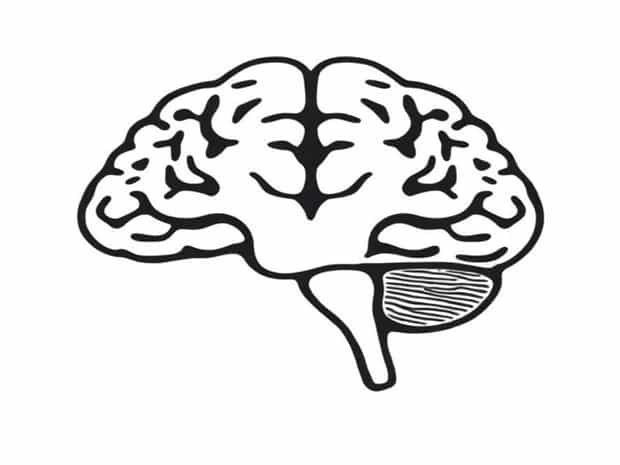
The cerebellum is a separate structure located posterior to the brainstem, under the occipital lobes of the cerebrum. Its primary function is to coordinate voluntary movements, maintain posture and balance, and ensure smooth, precise motor activity. The cerebellum processes input from the sensory systems, spinal cord, and other parts of the brain to fine-tune motor output. While it works closely with the brainstem, it is not anatomically a part of it. Instead, the cerebellum is connected to the brainstem via three paired bundles of nerve fibers called the cerebellar peduncles.
Anatomical Features of the Cerebellum
- LocationPosterior to the pons and medulla, beneath the occipital lobes.
- LobesComposed of two hemispheres and a central vermis.
- FunctionCoordinates movement, maintains balance, and supports motor learning.
- ConnectionsLinked to the brainstem through superior, middle, and inferior cerebellar peduncles.
Distinguishing the Cerebellum from the Brainstem
An anatomist distinguishes the cerebellum from the brainstem based on location, structure, and function. While the brainstem forms the core conduit between the brain and spinal cord, the cerebellum is a distinct, bilateral structure attached to the posterior aspect of the brainstem. Functionally, the cerebellum specializes in the fine-tuning of motor activities, while the brainstem manages essential autonomic processes necessary for survival. Despite their close proximity and extensive communication, the cerebellum is not classified as part of the brainstem.
Functional Differences
- Brainstem controls vital autonomic functions such as breathing, heart rate, and reflexes.
- Cerebellum coordinates voluntary movement and maintains balance and posture.
- Brainstem is essential for survival, while the cerebellum ensures smooth, coordinated motor activity.
- The cerebellum communicates with the brainstem but operates as a separate structure.
Connections Between the Cerebellum and Brainstem
Despite being separate, the cerebellum and brainstem are closely interconnected. The cerebellum receives sensory information about body position and movement from the spinal cord and other brain regions via the cerebellar peduncles. It sends processed signals back to the motor centers in the brainstem, allowing adjustments to posture and movement. These connections are essential for maintaining coordination and balance during daily activities, from walking and running to precise hand movements.
Cerebellar Peduncles
- Superior peduncleConnects the cerebellum to the midbrain and carries outputs to the motor cortex.
- Middle peduncleConnects the cerebellum to the pons, carrying input from the cerebral cortex.
- Inferior peduncleConnects the cerebellum to the medulla oblongata and spinal cord, carrying sensory input.
Clinical Significance
Understanding whether the cerebellum is part of the brainstem has clinical implications in neurology and neurosurgery. Lesions in the brainstem can cause life-threatening conditions, including respiratory failure or cardiovascular dysfunction. Cerebellar damage, while generally not immediately fatal, results in ataxia, tremors, and difficulty coordinating movements. Differentiating these structures helps clinicians diagnose neurological disorders accurately, localize lesions using imaging techniques, and plan appropriate surgical interventions.
Common Disorders
- BrainstemStroke, tumors, traumatic injury, and neurodegenerative diseases can affect autonomic and motor functions.
- CerebellumAtaxia, cerebellar degeneration, tumors, and injuries can impair balance, coordination, and motor learning.
the cerebellum is not part of the brainstem, although it is closely associated with it anatomically and functionally. The brainstem is responsible for vital autonomic functions and serves as the main conduit between the brain and spinal cord, while the cerebellum specializes in coordinating movement, maintaining balance, and refining motor activity. Both structures are essential for normal neurological function and are interconnected through cerebellar peduncles, enabling precise communication. Understanding their distinct roles, connections, and clinical relevance is critical for students, medical professionals, and anyone studying human neuroanatomy. By recognizing the cerebellum as a separate entity from the brainstem, we can appreciate the complexity and specialization of the human brain in regulating both survival and coordinated action.