Is Sushi A Burrito
Sushi has become a global culinary sensation, admired for its fresh ingredients, delicate flavors, and artistic presentation. From traditional nigiri to creative rolls, sushi is enjoyed in restaurants and homes worldwide. Recently, the concept of a sushi burrito has emerged, blending elements of sushi with the handheld convenience of a burrito. This hybrid food raises an interesting question is sushi a burrito? While sushi and burritos may share some similarities, such as wrapped fillings, they are fundamentally different in origin, preparation, ingredients, and cultural significance. Exploring the distinctions between sushi and burritos helps clarify why sushi is not a burrito, despite appearances in some modern fusion foods.
What is Sushi?
Sushi is a traditional Japanese dish that primarily consists of vinegared rice combined with various ingredients such as raw fish, cooked seafood, vegetables, and sometimes tropical fruits. It is typically wrapped in nori (seaweed) or formed into bite-sized pieces. Sushi can be presented in many forms, including nigiri (rice topped with fish), maki (rolled sushi), sashimi (sliced raw fish without rice), and temaki (hand rolls). The focus of sushi is on balance, freshness, and the harmonious combination of flavors and textures.
Common Ingredients in Sushi
- Sushi rice (seasoned with rice vinegar, sugar, and salt)
- Nori (seaweed sheets)
- Raw or cooked fish – such as tuna, salmon, or shrimp
- Vegetables – cucumber, avocado, carrots, or radish
- Pickled ingredients – pickled ginger, radish, or plum
- Condiments – soy sauce, wasabi, and sesame seeds
What is a Burrito?
A burrito is a traditional Mexican dish consisting of a flour tortilla wrapped around a variety of fillings. Common fillings include rice, beans, meat, cheese, vegetables, and sauces. Burritos are designed to be handheld and convenient, making them popular for street food, casual meals, and on-the-go dining. The emphasis in a burrito is on heartiness, flavor combinations, and portability rather than the precise balance of textures and presentation found in sushi. Flour tortillas and cooked ingredients are characteristic of burritos, distinguishing them from sushi.
Common Ingredients in Burritos
- Flour tortilla (soft and flexible)
- Rice – often seasoned or flavored
- Beans – black beans, pinto beans, or refried beans
- Meat – beef, chicken, pork, or seafood
- Cheese – shredded or melted
- Vegetables – lettuce, tomatoes, onions, peppers
- Sauces – salsa, guacamole, sour cream, or hot sauce
Differences Between Sushi and Burritos
Despite some superficial similarities, such as the idea of wrapping ingredients in a layer, sushi and burritos differ fundamentally in several ways. Sushi emphasizes delicate, raw, or lightly cooked ingredients, precise preparation, and aesthetic presentation. Burritos focus on hearty, cooked ingredients, portability, and a filling meal experience. The wrapping materials also differ sushi typically uses nori (seaweed) while burritos use flour tortillas. Additionally, sushi rice is seasoned with vinegar to create a slightly tangy flavor, whereas burrito rice is usually plain or lightly seasoned. These differences highlight that sushi, even when presented in a large, roll-like format, is not the same as a burrito.
Comparative Overview
- Wrapping nori (sushi) vs. flour tortilla (burrito)
- Ingredients raw or lightly cooked fish/vegetables (sushi) vs. cooked meats and beans (burrito)
- Rice seasoned with vinegar (sushi) vs. plain or lightly flavored (burrito)
- Purpose delicate, artistic meal (sushi) vs. hearty, portable meal (burrito)
- Cultural origin Japan (sushi) vs. Mexico (burrito)
- Portion bite-sized or hand rolls (sushi) vs. large, handheld wrap (burrito)
The Emergence of the Sushi Burrito
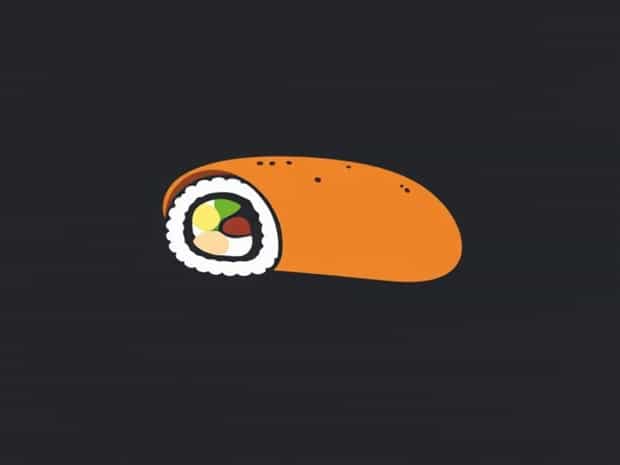
The sushi burrito is a modern fusion concept that combines the size and portability of a burrito with the ingredients and flavors of sushi. Typically, sushi burritos are large rolls wrapped in nori and filled with sushi rice, raw or cooked seafood, vegetables, and sauces. This innovation is popular in urban areas and among consumers who enjoy Japanese flavors but desire a convenient, on-the-go meal. While a sushi burrito may resemble a burrito in shape and size, it retains the essential characteristics of sushi in terms of ingredients, seasoning, and preparation techniques.
Characteristics of Sushi Burritos
- Wrapped in nori, not a flour tortilla
- Contains sushi rice seasoned with vinegar
- Filled with raw or lightly cooked seafood and vegetables
- Often includes sauces like spicy mayo or soy-based dressings
- Served cold or at room temperature, unlike warm burritos
- Focuses on sushi-style flavors and textures despite larger size
Nutritional Considerations
Sushi and burritos offer different nutritional profiles. Sushi tends to be lower in calories, fats, and sodium compared to a traditional burrito due to its emphasis on fresh seafood, vegetables, and lightly seasoned rice. Burritos are higher in calories and carbohydrates because of ingredients like flour tortillas, beans, meat, cheese, and sauces. Sushi burritos, depending on ingredients, may fall somewhere in between, offering a filling yet relatively lighter option compared to traditional burritos. Both can be balanced meals if paired with vegetables and lean proteins.
Health Highlights
- Sushi high in omega-3 fatty acids (from fish), low in saturated fats, light in calories
- Burritos higher in calories, protein-rich, can be high in sodium and fats
- Sushi burritos combines sushi nutrients with burrito portability, calorie content varies by fillings
- Vegetables in both dishes provide fiber and vitamins
- Portion control is key for burritos and sushi burritos
Cultural and Culinary Significance
Sushi and burritos reflect their respective cultural origins and culinary philosophies. Sushi represents Japanese cuisine, emphasizing freshness, balance, and simplicity. Burritos reflect Mexican culinary traditions, focusing on hearty meals with bold flavors and convenient packaging. The sushi burrito is a contemporary innovation that showcases globalization and culinary creativity, blending cultural elements while retaining the integrity of sushi. Recognizing these distinctions helps appreciate both dishes for what they are and prevents misconceptions about their classification.
Key Takeaways
- Sushi is a traditional Japanese dish with raw or lightly cooked ingredients
- Burritos are Mexican wraps with cooked meats, beans, and tortillas
- Sushi burrito is a modern fusion food that merges size and portability with sushi flavors
- Cultural origins and preparation methods define the differences
- Both offer unique culinary experiences and nutritional benefits
While sushi and burritos share the concept of wrapping ingredients, they are fundamentally different dishes rooted in distinct cultural traditions. Sushi emphasizes fresh, balanced ingredients, precise preparation, and aesthetic presentation, whereas burritos focus on hearty, cooked fillings and portability. The sushi burrito is a creative fusion that borrows aspects of both, but it remains closer to sushi in ingredients, flavors, and preparation. Understanding these differences clarifies that sushi is not a burrito, and appreciating both dishes individually allows for a richer culinary experience and a better understanding of global food traditions.