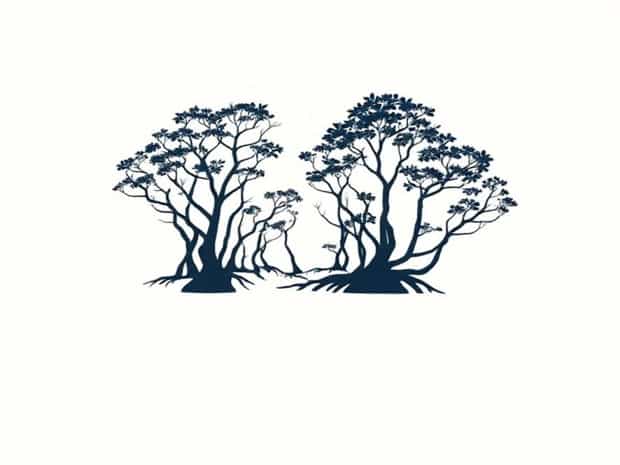
Is Sundarban A Mangrove Forest
The Sundarbans is a region that evokes images of dense forests, winding waterways, and a unique ecosystem that supports a wide array of wildlife. Located in the southern part of Bangladesh and the eastern part of India, this region is globally recognized for its rich biodiversity and intricate network of rivers and tidal waterways. Many people wonder about the classification of the Sundarbans and whether it can be considered a mangrove forest. Understanding this requires examining its ecological characteristics, vegetation types, and environmental importance. The Sundarbans is not just a forest; it is a living ecosystem that plays a crucial role in coastal protection, carbon sequestration, and sustaining the livelihoods of local communities.
Geographic Location of the Sundarbans
The Sundarbans spans the delta formed by the confluence of the Ganges, Brahmaputra, and Meghna rivers. It stretches across approximately 10,000 square kilometers, with the majority located in Bangladesh and a significant portion in the Indian state of West Bengal. This region lies along the northern edge of the Bay of Bengal, making it highly influenced by tidal movements, saline water intrusion, and sediment deposition. The geographic positioning of the Sundarbans contributes to its unique environmental conditions, making it an ideal habitat for mangrove vegetation and specialized wildlife.
Ecological Characteristics
The Sundarbans is characterized by its tidal waterways, mudflats, and intertidal forests. These ecological features support a variety of plant species that have adapted to saline conditions, periodic flooding, and fluctuating water levels. The forest exhibits a complex ecosystem structure where different plant species occupy specific zones based on their tolerance to saltwater and submergence. The regular flooding and tidal influence facilitate nutrient cycling, making the Sundarbans a highly productive ecosystem. These ecological traits are typical of mangrove forests, where vegetation thrives in brackish water conditions along tropical and subtropical coastlines.
Mangrove Vegetation in the Sundarbans
The vegetation of the Sundarbans is predominantly composed of mangrove species. Mangroves are salt-tolerant trees and shrubs that grow in intertidal zones, and they play a crucial role in stabilizing coastlines and providing habitat for wildlife. The Sundarbans is home to around 62 species of trees, most of which are true mangroves, includingHeritiera fomes(locally known as sundri),Excoecaria agallocha(commonly called gewa), andCeriops decandra. These trees have specialized adaptations such as aerial roots, salt-excreting leaves, and strong wood to withstand tidal submersion and saline conditions. The presence of these species confirms that the Sundarbans is indeed a mangrove forest.
Wildlife of the Sundarbans
The Sundarbans supports an extraordinary diversity of wildlife that is closely linked to its mangrove ecosystem. It is famously known for being home to the Bengal tiger, which navigates through dense mangrove channels and islands. Other notable species include saltwater crocodiles, fishing cats, river dolphins, and numerous species of migratory birds. The mangrove forest provides shelter, breeding grounds, and food resources for these animals. The interdependence between the vegetation and wildlife is a defining characteristic of mangrove ecosystems, highlighting the Sundarbans’ role as a critical ecological habitat.
Environmental Importance
The Sundarbans plays a significant role in environmental protection and climate regulation. Mangrove forests act as natural barriers against cyclones, storm surges, and coastal erosion. Their dense root systems stabilize sediments, reduce wave impact, and protect inland communities from flooding. Additionally, the Sundarbans contributes to carbon sequestration, capturing large amounts of carbon in both biomass and soil, which helps mitigate climate change. The ecological services provided by this mangrove forest emphasize its global environmental significance and underscore the need for conservation efforts.
Human Interaction and Livelihoods
Local communities have depended on the Sundarbans for centuries, relying on its resources for fishing, honey collection, and wood. The mangrove forest provides sustenance and income for thousands of people living in nearby villages. However, human activities such as overfishing, illegal logging, and land conversion pose challenges to the integrity of the forest. Sustainable management practices are essential to maintain the balance between human use and ecological preservation. Recognizing the Sundarbans as a mangrove forest is vital for implementing conservation strategies that protect both biodiversity and local livelihoods.
Conservation Efforts
Given its ecological, cultural, and economic importance, the Sundarbans has received international recognition. It is designated as a UNESCO World Heritage Site, highlighting its unique mangrove ecosystem and endangered species. Various government and non-governmental organizations in India and Bangladesh are actively involved in conservation initiatives, including reforestation projects, anti-poaching measures, and awareness campaigns. Protecting the mangrove forest ensures that the Sundarbans continues to serve as a vital ecological buffer, a habitat for wildlife, and a source of livelihood for communities dependent on its resources.
Threats and Challenges
Despite its protected status, the Sundarbans faces significant environmental threats. Climate change, sea-level rise, and increased frequency of cyclones threaten the delicate balance of the mangrove ecosystem. Salinity intrusion and deforestation reduce the forest’s resilience, impacting both plant and animal species. Unsustainable human activities, such as illegal shrimp farming and timber extraction, further exacerbate ecological pressures. Addressing these challenges requires coordinated efforts between governments, conservation groups, and local communities to maintain the integrity of the mangrove forest and ensure its long-term survival.
the Sundarbans is indeed a mangrove forest, characterized by its tidal waterways, salt-tolerant vegetation, and unique ecosystem. Its location in the delta of the Ganges, Brahmaputra, and Meghna rivers, combined with its ecological traits and biodiversity, confirms its classification as a mangrove forest. The Sundarbans plays a crucial role in environmental protection, climate mitigation, and supporting human livelihoods. Understanding the Sundarbans as a mangrove forest emphasizes the importance of conservation and sustainable management, ensuring that this unique ecosystem continues to thrive for generations to come. Its global significance and rich biodiversity make the Sundarbans an invaluable natural treasure of both India and Bangladesh.