Is Sparrowhawk Native To Uk
The sparrowhawk is a bird of prey that often goes unnoticed by casual observers, yet it plays a crucial role in the ecosystems of the United Kingdom. Its swift movements, sharp talons, and keen eyesight make it a formidable hunter, while its presence has fascinated birdwatchers and ornithologists alike. Many people in the UK ask whether the sparrowhawk is native to the region, and understanding its history, behavior, and habitat is key to answering this question. Observing sparrowhawks in gardens, woodlands, and farmland highlights their adaptability and reveals the important role they play in controlling small bird populations.
Biology and Identification of the Sparrowhawk
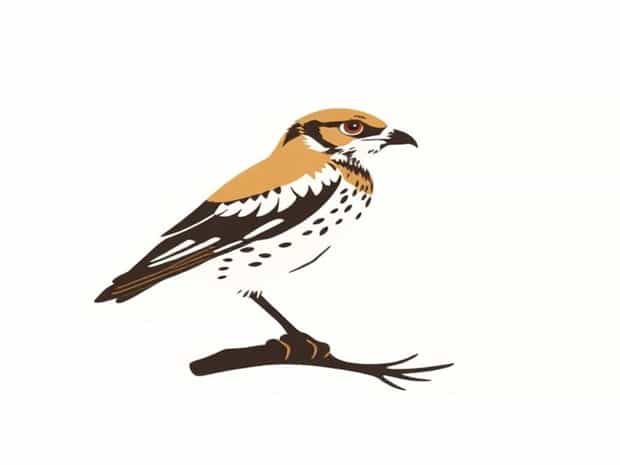
The sparrowhawk (Accipiter nisus) is a small bird of prey belonging to the Accipitridae family, which includes other hawks, eagles, and kites. Adult males typically measure 29 to 34 centimeters in length, while females are slightly larger, reaching up to 40 centimeters. Their wings are short and rounded, which aids in agile flight through dense vegetation. Males usually have blue-grey upperparts and reddish-orange barring on the chest, while females and juveniles are brown with streaked underparts. This sexual dimorphism helps birdwatchers identify the species quickly in the wild.
Diet and Hunting Behavior
Sparrowhawks primarily feed on small birds, ranging from sparrows and finches to thrushes and starlings. They are opportunistic hunters, relying on stealth and speed to capture prey, often surprising birds at feeders or in hedgerows. Their hunting technique includes rapid bursts of flight, agile weaving through trees, and sudden ambushes. This predatory behavior makes sparrowhawks important regulators of bird populations, helping maintain ecological balance in both rural and urban areas of the UK.
Is the Sparrowhawk Native to the UK?
Yes, the sparrowhawk is native to the United Kingdom. It has been a resident of the region for centuries, inhabiting woodlands, farmland, and increasingly suburban gardens. Historical records and ecological studies confirm that the species has been part of the UK’s avian fauna long before modern birdwatching practices emerged. Its adaptability has allowed it to survive alongside human development, though its population experienced fluctuations due to hunting, habitat loss, and pesticide use in the mid-20th century.
Distribution Across the UK
Sparrowhawks are widespread throughout England, Scotland, Wales, and Northern Ireland. They are highly adaptable, nesting in dense woodlands, parks, and even urban areas where prey is abundant. Garden bird feeders have inadvertently increased opportunities for sparrowhawks to hunt, providing a consistent food source. The species’ resilience and adaptability have contributed to its stable population in recent decades, although local variations exist depending on habitat quality and prey availability.
Historical Context
Historically, sparrowhawks were sometimes persecuted due to their predation on songbirds and poultry. In rural communities, they were considered pests, leading to declines in local populations. The introduction of pesticides, particularly organochlorines like DDT, in the mid-20th century further impacted their numbers, as toxins accumulated in the food chain. Since the banning of harmful pesticides and the implementation of legal protections under the Wildlife and Countryside Act 1981, sparrowhawks have made a strong recovery, reestablishing themselves as a common and native species in the UK.
Habitat and Nesting
Sparrowhawks are versatile in their choice of habitat. They prefer areas with dense cover for nesting and hunting, such as deciduous or mixed woodlands, hedgerows, and tall shrubs. They also exploit urban and suburban gardens, where bird feeders attract their prey. Nests are built from twigs and lined with softer materials, typically situated high in trees to provide safety from ground predators. The female lays between three and six eggs per season, and both parents participate in raising the young.
Adaptation to Urban Areas
In recent years, sparrowhawks have increasingly adapted to urban environments. Gardens with plentiful songbirds offer abundant hunting opportunities, while tall trees and dense vegetation provide nesting sites. Observing sparrowhawks swoop silently through gardens has become a familiar sight for many UK residents. This urban adaptation demonstrates the species’ flexibility and underscores its status as a native bird capable of coexisting with humans.
Conservation Status
The sparrowhawk is currently listed as a species of least concern by the International Union for Conservation of Nature (IUCN), reflecting its widespread distribution and stable population trends. Conservation efforts in the UK, including legal protection and habitat management, have allowed populations to recover from previous declines. Ongoing monitoring ensures that sparrowhawks continue to thrive, maintaining their ecological role as predators of small birds and contributing to biodiversity across the region.
Threats and Challenges
- Habitat loss due to urban development and deforestation
- Secondary poisoning from rodenticides and pesticides
- Collisions with vehicles and buildings in urban areas
- Persecution or illegal shooting in some rural regions
- Climate change impacting prey availability and migration patterns
Importance in the Ecosystem
Sparrowhawks play a vital role in controlling small bird populations, helping to maintain ecological balance. By preying on weaker or sick individuals, they contribute to the overall health of bird communities. Their presence also indicates a healthy ecosystem, as sparrowhawks require sufficient prey and suitable nesting sites. For birdwatchers and ecologists, spotting a sparrowhawk is often a sign of biodiversity and environmental quality in a given area.
Observing Sparrowhawks
Birdwatchers and wildlife enthusiasts often enjoy observing sparrowhawks in the wild. Early morning and late afternoon are peak hunting times, and gardens with feeders provide excellent opportunities to see these agile predators in action. Binoculars or spotting scopes enhance the experience, while recording observations contributes to citizen science projects tracking bird populations. Observing sparrowhawks offers insight into their behavior, hunting strategies, and interactions with other species, reinforcing their role as a native and integral part of the UK’s wildlife.
The sparrowhawk is unquestionably native to the United Kingdom, with a long history of inhabiting woodlands, farmland, and increasingly urban areas. Its presence reflects both ecological resilience and adaptability, allowing it to thrive alongside human development. Understanding their biology, behavior, and habitat needs highlights the importance of preserving these skilled predators. Conservation efforts, legal protections, and responsible wildlife management ensure that sparrowhawks continue to flourish as a native species, enriching the biodiversity of the UK and offering opportunities for education, observation, and appreciation of the natural world.