Is Somalia In Africa
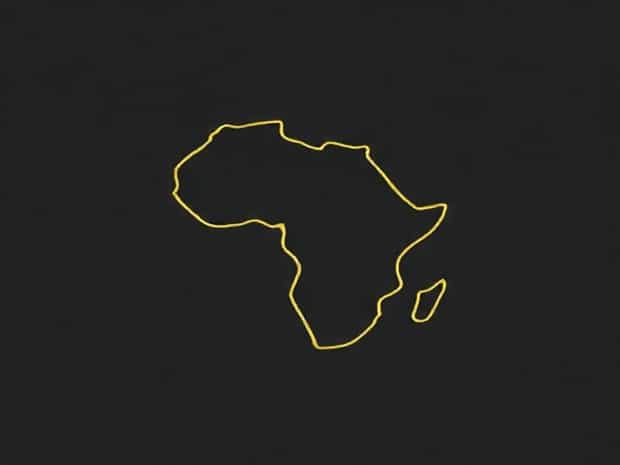
Somalia is a country that often generates curiosity due to its strategic location, rich history, and cultural significance. Many people wonder whether Somalia is part of Africa, and the answer is a definitive yes. Somalia is located in the Horn of Africa, occupying a significant portion of the easternmost region of the continent. It shares borders with Ethiopia, Djibouti, and Kenya, and has a long coastline along the Indian Ocean. Understanding Somalia’s geographic position, political structure, culture, and economic activities provides clarity about its status as an African nation and highlights its importance within the continent.
Geographical Location and Landscape
Somalia covers an area of approximately 637,657 square kilometers, making it one of the larger countries in Africa. It is situated in the Horn of Africa, a region that extends into the Indian Ocean. The country has a diverse landscape, including arid plains, plateaus, highlands, and coastal regions. Its coastline stretches for more than 3,300 kilometers, offering access to key maritime routes and opportunities for fishing and trade. Somalia’s geographic location has historically made it a hub for commerce and cultural exchange between Africa, the Middle East, and Asia.
Climate and Environment
Somalia experiences a predominantly arid and semi-arid climate, characterized by hot temperatures and low, irregular rainfall. The climate affects agriculture, water resources, and settlement patterns across the country. Coastal areas tend to be more humid and support fishing communities, while inland regions face harsher conditions. The environment shapes the lifestyle of Somali people, influencing traditional pastoralism, nomadic herding, and urban settlements. The country’s natural resources, including livestock, marine life, and mineral deposits, are critical components of its economy and identity as an African nation.
Historical Context
Somalia has a long and rich history that dates back thousands of years. It was home to ancient civilizations and trade networks connecting Africa, the Arabian Peninsula, and the Indian subcontinent. The region became a key center for trade in spices, gold, and ivory. In the modern era, Somalia experienced colonization by European powers, including Italy and Britain, before gaining independence in 1960. The country’s history reflects both African heritage and interactions with broader global civilizations, establishing Somalia firmly as a nation within Africa.
Population and Demographics
Somalia has a population of over 17 million people, composed predominantly of ethnic Somalis. The society is structured around clans, which play a central role in social and political organization. Islam is the dominant religion, shaping cultural practices, traditions, and legal systems. The population is largely rural, with many people engaged in pastoralism and agriculture, while urban centers like Mogadishu, Hargeisa, and Kismayo serve as hubs for commerce, administration, and services. The demographic composition emphasizes Somalia’s identity as an African country with deep-rooted cultural and social structures.
Political Structure
Somalia is a federal republic, governed under a constitution that establishes executive, legislative, and judicial branches. The President serves as the head of state, while the Prime Minister oversees the federal government’s operations. Federal member states, such as Puntland and Jubaland, have autonomy in local governance but remain part of the Somali nation. Political challenges, including civil conflict and efforts at stabilization, have influenced the country’s governance and development. Despite these challenges, Somalia is recognized internationally as a sovereign African state with defined borders and political institutions.
Economy and Industry
Somalia’s economy is diverse, relying on livestock, agriculture, fishing, telecommunications, and remittances from the diaspora. Livestock production is a major economic activity, with camels, goats, and cattle playing crucial roles in domestic and export markets. The fishing industry benefits from the extensive coastline along the Indian Ocean, providing both food and trade opportunities. Telecommunications and informal trade sectors have grown despite political instability, illustrating Somalia’s resilience as an African economy. International aid and diaspora contributions also support infrastructure, health, and education development, reinforcing the country’s integration within the continental and global economy.
Cultural Heritage
Somalia boasts a rich cultural heritage, including oral poetry, traditional music, and art forms unique to the Horn of Africa. Somali culture emphasizes community, hospitality, and respect for elders. Islamic traditions influence daily life, festivals, and legal systems. The Somali language, written in Latin script, is widely spoken and contributes to national identity. Cultural practices, combined with historical and geographic factors, highlight Somalia’s position as an African nation with a distinct and vibrant cultural landscape.
Education and Institutions
Somalia’s education system includes primary, secondary, and higher education institutions. Efforts to rebuild education have focused on access, literacy, and vocational training, particularly after periods of conflict. Universities such as Somali National University and Puntland State University provide higher education opportunities, fostering research, development, and professional skills. Education contributes to the social and economic advancement of Somali society and underscores the country’s participation in African and global intellectual networks.
Infrastructure and Transportation
Somalia’s infrastructure includes roads, ports, and airports that connect cities and regions. Major seaports, such as Mogadishu and Berbera, facilitate trade and commerce, connecting Somalia with regional and international markets. Road networks support domestic mobility, while airports enable air travel and logistics. Infrastructure development remains a priority for economic growth and integration with other African countries. Transportation systems illustrate Somalia’s geographic and strategic significance in Africa, particularly in the Horn of Africa region.
Tourism and Natural Attractions
Somalia has numerous natural attractions, including beaches, mountains, and wildlife-rich areas. Coastal regions along the Indian Ocean provide opportunities for tourism, fishing, and water-based recreation. Inland areas feature plateaus, semi-arid landscapes, and historical sites that reflect Somali culture and history. Although tourism has been limited by security concerns, the potential for cultural and eco-tourism highlights Somalia’s unique position as an African country with diverse landscapes and heritage.
Key Takeaways
- Somalia is located in Africa, specifically in the Horn of Africa, bordered by Ethiopia, Djibouti, and Kenya, with a coastline along the Indian Ocean.
- The country has a diverse landscape, including arid plains, plateaus, highlands, and coastal regions.
- Somalia has a population of over 17 million, predominantly ethnic Somalis practicing Islam.
- It is a federal republic with political, social, and economic structures recognized internationally.
- Somalia’s culture, economy, education, and natural attractions reflect its identity as an African nation.
Somalia is undoubtedly part of Africa, both geographically and culturally. Its location in the Horn of Africa, diverse landscapes, population, political institutions, and economic activities all confirm its status as an African country. Somalia’s historical significance, cultural richness, and strategic position along the Indian Ocean further emphasize its role within the continent. Understanding Somalia as an African nation helps clarify its place in regional and global contexts, highlighting its contributions and challenges while reaffirming its identity as an integral part of Africa.