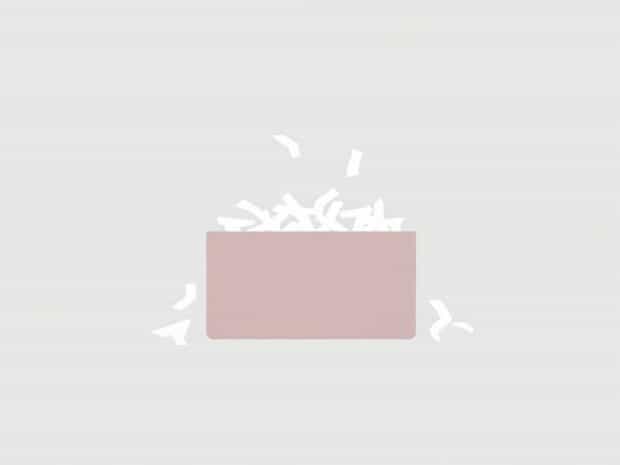
Is Shredding Paper A Physical Change
When we think about changes in matter, it is common to ask whether the transformation involves altering the substance itself or simply changing its appearance. One everyday example that sparks curiosity is shredding paper. At first glance, shredding may seem like a simple act of destruction, but from a scientific perspective, the question arises is shredding paper a physical change or a chemical change? To answer this, it is important to look at the definitions of physical and chemical changes, examine what happens to paper during shredding, and explore why this example is frequently discussed in science classrooms.
Understanding Physical and Chemical Changes
In order to classify shredding paper correctly, we first need to define what scientists mean by physical and chemical changes. Matter undergoes changes constantly, but not all changes are the same in nature.
Physical Change
A physical change is one in which the form of a substance is altered but its chemical composition remains the same. This includes changes in size, shape, phase, or appearance. Examples of physical changes include
- Melting ice into water
- Tearing fabric into smaller pieces
- Breaking glass into shards
- Dissolving sugar in water
In all of these examples, the basic substance does not change chemically. Ice is still water, sugar is still sugar, and paper is still paper, even if its size or shape is altered.
Chemical Change
A chemical change, on the other hand, occurs when the chemical composition of a substance is altered. During this process, bonds between atoms are broken and new bonds are formed, creating an entirely new substance with different properties. Examples include
- Burning wood to produce ash and smoke
- Rust forming on iron
- Milk turning sour
- Baking a cake, where ingredients combine chemically
These changes cannot easily be reversed because they involve transformations at the molecular level.
What Happens When You Shred Paper?
Paper is made from cellulose fibers derived from wood pulp. When you shred paper, you are cutting those fibers into smaller fragments. The paper changes in size and shape, but the cellulose structure that makes up the paper remains intact. Shredded paper is still paper, just in smaller, fragmented pieces.
No new substance is created during shredding, no bonds within the cellulose are broken at the molecular level, and no chemical reaction occurs. This observation strongly supports the conclusion that shredding paper is a physical change rather than a chemical one.
Why Shredding Paper is Classified as a Physical Change
Shredding paper is a textbook example of a physical change because the identity of the substance remains unchanged. The key points that prove this include
- No new substance formsThe paper remains chemically identical to its original form.
- Change in physical appearance onlyThe paper’s size and shape are altered, but not its composition.
- Reversible in theoryAlthough difficult, shredded pieces could theoretically be reassembled into their original sheet, showing that the change did not affect the molecular structure.
Comparing Shredding Paper to Burning Paper
To further understand why shredding is a physical change, it helps to compare it with burning paper. When paper burns, it reacts with oxygen in the air, producing carbon dioxide, water vapor, ash, and other substances. This is a clear chemical change because the composition of the material changes completely. Unlike shredding, the original paper cannot be recovered after burning. This comparison highlights the important difference between physical and chemical transformations.
Everyday Examples of Similar Physical Changes
Shredding paper is just one of many examples where the physical form of a material changes without altering its chemical nature. Other examples include
- Cutting vegetables into slices
- Breaking a pencil in half
- Chopping wood into smaller pieces
- Crumpling aluminum foil into a ball
In all of these cases, the original substance remains the same. These examples reinforce the principle that physical changes are about appearance, size, or state rather than chemistry.
The Scientific Value of Understanding Physical Changes
Knowing whether a change is physical or chemical is more than just a classroom exercise. It helps in recycling, manufacturing, and environmental science. For instance, shredded paper can be recycled because its cellulose fibers remain intact. If it were chemically altered, recycling would require a much more complex process to separate or reconstitute its basic materials. Recognizing physical changes ensures efficient use of resources and supports sustainable practices.
Misconceptions About Shredding Paper
Some people mistakenly assume that shredding paper is a chemical change because the shredded pieces look very different from the original sheet. However, looks can be deceiving when it comes to science. The key factor is whether the chemical composition changes. Since it does not, shredding remains a physical transformation. Another misconception is that because shredding is irreversible in practical terms, it must be chemical. While reassembling shredded paper is challenging, irreversibility alone does not define a chemical change. Instead, the focus must remain on the molecular level.
The Role of Shredding in Practical Life
Outside the classroom, shredding paper has important uses in daily life. Businesses, government offices, and households use shredders to protect sensitive information and reduce the volume of waste paper. While this has nothing to do with chemistry directly, it illustrates how physical changes are part of everyday processes. Recycling centers often collect shredded paper, proving once again that the underlying material remains suitable for reuse.
So, is shredding paper a physical change? The clear answer is yes. Shredding alters the paper’s form but not its chemical structure. Unlike burning or other chemical transformations, shredding simply reduces the paper to smaller pieces while leaving the cellulose fibers chemically unchanged. Understanding this distinction is not just useful in science education but also in practical applications like recycling. By examining examples like shredding paper, we gain a deeper appreciation of how matter changes around us, helping us separate physical changes from chemical reactions with clarity and accuracy.