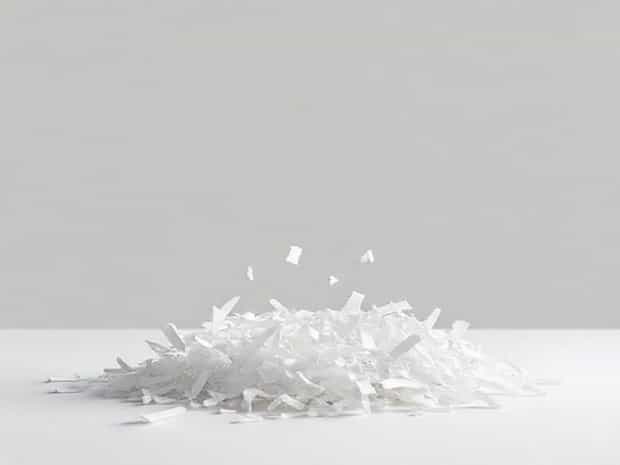
Is Shredding Paper A Chemical Change
When we observe everyday activities, it is easy to overlook the science behind seemingly simple processes. One common action is shredding paper, which many people do without thinking twice. At first glance, it may appear that shredding is just a mechanical process of tearing paper into smaller pieces. However, a deeper examination raises an interesting scientific question is shredding paper a chemical change or a physical change? Understanding the distinction between physical and chemical changes can help clarify what occurs at the molecular level during paper shredding and why this activity does not alter the fundamental composition of the paper itself.
Defining Physical and Chemical Changes
To determine whether shredding paper qualifies as a chemical change, it is essential to understand the differences between physical and chemical changes. Aphysical changeaffects the form, appearance, or state of a substance without altering its chemical composition. Common examples include cutting, bending, dissolving, or melting. The material retains its original chemical structure even though its shape or size may change.
In contrast, achemical changeresults in the formation of one or more new substances with different chemical properties. Evidence of chemical changes often includes
- Color change
- Formation of gas or bubbles
- Production of heat or light
- Precipitate formation
- Irreversibility under normal conditions
These indicators signal that the molecules of the original substance have been rearranged, creating new chemical bonds and producing substances with distinct properties from the starting material.
The Composition of Paper
Paper is primarily composed of cellulose fibers, which are long chains of glucose molecules. These fibers are interwoven and held together by hydrogen bonds, giving paper its structure and strength. The cellulose itself is a carbohydrate polymer that remains chemically stable under normal conditions, meaning it does not easily react to environmental factors like temperature or pressure without the introduction of chemical agents.
When considering whether shredding paper is a chemical change, it is important to note that the cellulose molecules remain intact during the process. No new compounds are formed, no gases are released, and the chemical bonds within the cellulose remain unchanged. Only the physical arrangement of the fibers is altered when the paper is cut into smaller pieces.
Shredding Paper as a Physical Change
Shredding paper clearly qualifies as a physical change because it modifies the paper’s shape and size without altering its chemical structure. The process involves cutting the paper using a mechanical device, such as a manual shredder or an electric shredder. The resulting pieces may be tiny confetti-like fragments, strips, or even cross-cut fragments, depending on the shredder type. Despite these changes in form, the chemical identity of the cellulose and any additives in the paper remains the same.
Key characteristics that confirm shredding is a physical change include
- No new substances are formedThe shredded pieces are still composed of cellulose.
- ReversibilityAlthough reassembling shredded paper is difficult, the fundamental material could theoretically be reformed through processes such as pulping and re-pressing into new paper.
- Appearance change onlyThe size, shape, and texture of the paper change, but the chemical composition remains constant.
Comparing Shredding to Chemical Changes
To further illustrate why shredding is not a chemical change, consider examples of true chemical changes involving paper. Burning paper is a classic chemical change because it transforms cellulose into carbon dioxide, water vapor, ash, and other gases. These new substances have entirely different chemical properties from the original paper. In addition, chemical changes are often irreversible under normal conditions, whereas physical changes, such as folding or tearing, do not alter the chemical composition and can be theoretically reversed.
Similarly, chemical reactions like hydrolysis or oxidation of paper would break down cellulose molecules or alter their chemical structure. Shredding, however, does not affect the cellulose chains at the molecular level; it only reduces the paper into smaller pieces, which is characteristic of a physical transformation.
Practical Implications of Paper Shredding
While shredding paper is a physical change, it serves an important practical purpose in various contexts. One major use is document security, where sensitive information must be destroyed to prevent identity theft, fraud, or unauthorized access. Shredding ensures that the paper cannot be read or reconstructed easily, even though the chemical composition of the paper remains unchanged.
In addition, shredded paper is frequently recycled. Recycling processes often involve breaking the paper down into pulp, which can then be reformed into new sheets of paper. This demonstrates that shredded paper can be reused without altering its chemical structure, further confirming that shredding is a physical process rather than a chemical one.
Observing Physical Changes in Everyday Life
Shredding paper is just one of many examples of physical changes that occur in daily life. Other common physical changes include
- Cutting fabric into pieces
- Crushing a can
- Freezing water into ice
- Dissolving sugar in tea
- Bending or folding materials
All these processes involve changes in form, state, or appearance without altering the chemical identity of the substances involved. Recognizing these differences helps develop a foundational understanding of chemistry and the nature of matter.
shredding paper is a clear example of a physical change, not a chemical change. The process alters the paper’s size, shape, and appearance, but does not change its chemical composition. The cellulose fibers, which are the main components of paper, remain chemically intact, and no new substances are produced. By understanding the distinction between physical and chemical changes, we can appreciate why everyday activities like shredding, tearing, or folding materials fall into the category of physical transformations. Recognizing these differences not only enhances scientific literacy but also provides insight into practical applications such as recycling, document security, and material handling. Ultimately, while shredding paper may seem simple, it offers a clear example of how physical changes can significantly impact daily life without altering the fundamental chemistry of the material involved.