Is Shallot A Vegetable
When it comes to cooking, many people often wonder about the ingredients they use daily. One common question that arises in kitchens is is shallot a vegetable? Shallots are a staple in many cuisines around the world, adding depth of flavor to dishes ranging from soups and sauces to salads and stir-fries. Despite their popularity, there is still confusion about whether they should be classified as a vegetable, a spice, or something else. Understanding the nature of shallots, their botanical classification, and their culinary role helps clear up the debate and highlights why they are such a valued ingredient.
Understanding What Shallots Are
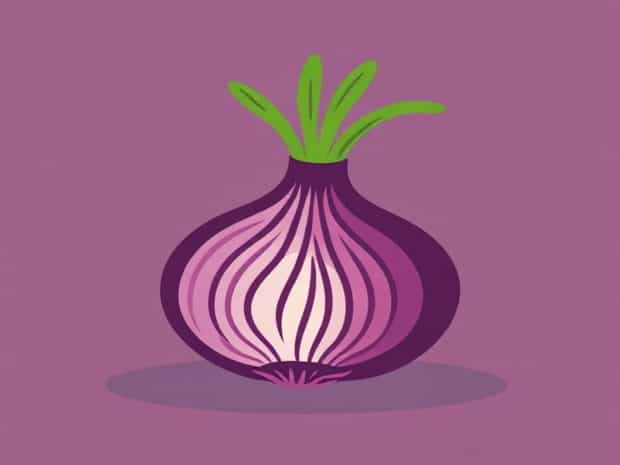
Shallots belong to the Allium family, which also includes onions, garlic, leeks, and chives. They are small, bulb-shaped plants with a papery skin that ranges in color from reddish-brown to grayish-purple. Once peeled, the shallot reveals multiple cloves, similar to garlic, but with a milder and sweeter taste compared to onions. This unique flavor is one of the main reasons chefs and home cooks appreciate them so much.
Is Shallot a Vegetable?
The straightforward answer is yes, shallot is a vegetable. Vegetables are edible plants or parts of plants consumed for food, and shallots clearly fit this definition. They are grown in the ground, harvested for their edible bulbs, and used in cooking as a primary ingredient or seasoning. While they are often used in small quantities like spices, they are still botanically and culinarily classified as vegetables.
Botanical Classification of Shallots
Shallots are scientifically known asAllium cepa var. aggregatum. They are a variant of the common onion but grow differently. Instead of producing a single large bulb, shallots form clusters of smaller bulbs, similar to how garlic develops. This distinction is part of what makes them unique within the Allium family. Botanically speaking, they are vegetables because they are plant structures cultivated and consumed as food.
How Shallots Differ from Other Vegetables
Although shallots are a vegetable, they stand out from leafy greens or root crops like carrots and potatoes. Their closest relatives are onions and garlic, but their milder taste gives them a unique culinary identity. Here are a few ways shallots differ from other vegetables
- They grow underground as bulbs rather than above ground like leafy vegetables.
- They provide a balance between the sharpness of onions and the pungency of garlic.
- They are often used as flavor enhancers rather than as the main component of a dish.
- Their clustered bulb structure sets them apart from single-bulb onions.
Culinary Uses of Shallots
One of the most fascinating things about shallots is how versatile they are in cooking. Being a vegetable does not limit their use to salads or stir-fries. Instead, they serve as a flavor base in countless recipes. Some of the most common uses include
- Sautéed in butter or oil as the starting point for sauces.
- Finely chopped and added raw to dressings, salsas, and marinades.
- Roasted whole to bring out a caramelized sweetness.
- Used in soups and stews for added depth of flavor.
- Pickled as a tangy accompaniment to meals.
Their ability to enhance both simple and complex dishes makes them indispensable in many kitchens.
Nutritional Value of Shallots
Shallots are not only flavorful but also nutritious. Like many vegetables, they are low in calories but rich in vitamins and minerals. A serving of shallots provides essential nutrients such as vitamin C, vitamin B6, folate, potassium, and manganese. Additionally, they are a good source of antioxidants and compounds like quercetin and allicin, which may contribute to heart health and immune support.
Shallots in Comparison to Onions and Garlic
Since shallots are often confused with onions and garlic, it helps to compare them. Onions tend to have a stronger bite, while garlic is sharper and more pungent. Shallots sit somewhere in between, offering a balance that works well in delicate dishes. Unlike onions, shallots do not overwhelm the flavor of lighter recipes, and unlike garlic, they provide subtle sweetness without overpowering the palate. This versatility is one reason chefs often prefer shallots for fine dining recipes.
Growing Shallots as a Vegetable
For gardeners, growing shallots is a rewarding experience. They are typically planted as bulbs rather than seeds and thrive in well-drained soil with plenty of sunlight. Each planted bulb produces a cluster of new bulbs, which can be harvested after several months. Being hardy and relatively easy to grow, shallots are a popular choice for home gardens and small farms. Their classification as vegetables is reinforced by their cultivation process, just like onions and garlic.
Shallots in Different Cuisines
The global popularity of shallots highlights their importance as a vegetable in cooking. In French cuisine, they are a cornerstone ingredient in classic sauces like béarnaise and vinaigrettes. In Southeast Asian cooking, they are fried, ground into pastes, or used in curries for their depth of flavor. In Indian dishes, shallots often appear in pickles and gravies. Across cultures, their versatility and subtle taste make them a must-have kitchen ingredient.
Why People Question If Shallots Are Vegetables
The confusion about whether shallots are vegetables arises because of how they are used. Many people see them as a seasoning or garnish rather than a main food source. Since they are not typically eaten in large portions like potatoes, spinach, or broccoli, some assume they do not qualify as vegetables. However, classification depends on their botanical and culinary role, not the portion size consumed.
Health Benefits of Eating Shallots
As with many vegetables, shallots provide several health benefits. Regular consumption can support overall well-being thanks to their nutrient content. Some key benefits include
- Supporting heart health through antioxidants and anti-inflammatory compounds.
- Boosting immunity with vitamins and minerals.
- Improving digestion due to dietary fiber.
- Contributing to healthy skin thanks to vitamin C and antioxidants.
- Providing natural antibacterial and antiviral properties.
Storage and Preservation
Since shallots are vegetables with a bulb structure, they can be stored for weeks or even months if kept in a cool, dry, and well-ventilated place. Unlike leafy vegetables that spoil quickly, shallots remain fresh longer, making them convenient for households. They can also be preserved through pickling or freezing when chopped and stored properly.
Shallots as a Sustainable Ingredient
Another reason shallots deserve recognition as vegetables is their sustainability. They require relatively little space to grow, reproduce easily from bulbs, and offer a high yield for the effort invested. Their long shelf life reduces food waste, making them an environmentally friendly choice for both home cooks and professional kitchens.
So, is shallot a vegetable? The answer is clear yes, shallots are vegetables. They belong to the Allium family, are cultivated for their edible bulbs, and play a major role in global cuisines. While their use as a flavor enhancer might make them seem more like a spice or garnish, their botanical identity firmly places them in the category of vegetables. From their nutritional value to their culinary versatility, shallots prove to be more than just an ingredient they are a vital part of cooking traditions worldwide. Understanding their role not only clears up confusion but also deepens appreciation for this humble yet powerful vegetable.