Is Seersucker Fabric Cotton
When people come across seersucker fabric, one of the most common questions is whether seersucker is made of cotton. This lightweight, puckered fabric has been a summer staple for generations, particularly in warm climates. The unique texture of seersucker makes it instantly recognizable, but many are curious about its material composition. Understanding whether seersucker fabric is cotton requires looking at its history, how it is made, and why it has remained popular for so long.
What Is Seersucker Fabric?
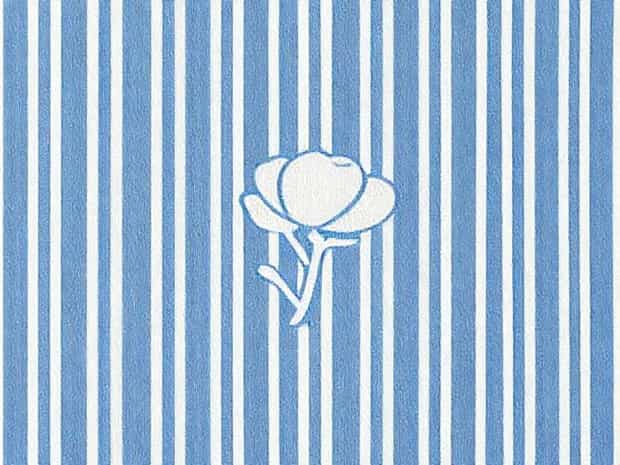
Seersucker is a type of woven fabric that has a distinctive puckered surface. The texture is not an afterthought but comes from the weaving technique itself. Seersucker alternates tight and slack yarns, creating sections of smooth fabric alongside areas that appear wrinkled or gathered. This natural puckering gives seersucker its breezy feel and airy look.
Key Features of Seersucker
- Lightweight and breathable texture.
- Puckered appearance created by weaving, not by finishing treatments.
- Does not cling to the skin, making it ideal for hot weather.
- Low-maintenance, since it does not require ironing.
Is Seersucker Fabric Cotton?
The answer is yes traditionally, seersucker fabric is made of cotton. Cotton fibers lend seersucker its softness, comfort, and breathability. The natural qualities of cotton enhance the usefulness of seersucker in warm climates, where staying cool is a priority. Cotton seersucker is also easy to dye, which explains the wide variety of striped and checked patterns commonly seen in this fabric.
Why Cotton Is Used in Seersucker
- ComfortCotton is soft and skin-friendly, perfect for lightweight garments.
- BreathabilityCotton allows airflow, reducing heat retention.
- DurabilityDespite its delicate appearance, cotton seersucker is quite sturdy.
- VersatilityCotton can be woven into different weights and designs, making it adaptable for clothing and home textiles.
Other Fibers in Seersucker Fabric
While seersucker is traditionally cotton, modern textile manufacturing has introduced blends. Today, you may find seersucker fabrics that incorporate polyester, silk, or synthetic fibers. These blends can add benefits like increased wrinkle resistance, shine, or reduced shrinkage. However, pure cotton seersucker remains the most sought-after type, especially for summer clothing.
Common Blends
- Cotton-Polyester SeersuckerAdds durability and wrinkle resistance while keeping the lightweight texture.
- Silk SeersuckerLuxurious and smooth, often used for more formal wear.
- Synthetic SeersuckerSometimes used in affordable garments but lacks the natural feel of cotton.
The History of Seersucker
Seersucker has a fascinating history that stretches back centuries. The fabric is believed to have originated in India, where its name comes from the Persian words shir o shakar, meaning milk and sugar. This description perfectly captures the contrasting smooth and rough textures of the fabric. British colonizers adopted seersucker in the 18th century, and it later spread globally.
Seersucker in Western Fashion
In the United States, seersucker gained popularity in the southern states, where the hot and humid climate made lightweight fabrics essential. By the 20th century, seersucker suits became a symbol of summer fashion for men, combining elegance with comfort. Today, seersucker remains a classic fabric choice, often associated with casual yet polished warm-weather style.
Uses of Cotton Seersucker
The versatility of seersucker cotton fabric is one of the reasons it remains popular. Its lightweight feel and stylish appearance make it suitable for clothing and home décor alike.
Clothing
- SuitsCotton seersucker suits are summer staples, particularly in light colors like blue and white.
- DressesWomen’s seersucker dresses offer breezy comfort with a chic look.
- Shirts and ShortsCasual cotton seersucker shirts and shorts are perfect for everyday summer wear.
- Children’s ClothingLightweight and breathable, making it great for kids’ outfits.
Home Textiles
- BeddingCotton seersucker sheets and duvet covers stay cool and require little ironing.
- CurtainsLight and airy seersucker curtains add texture without feeling heavy.
- Table LinensStylish and practical for summer dining.
Advantages of Cotton Seersucker
Many people prefer cotton seersucker fabric not only for its unique look but also for its functional benefits. These advantages make it especially valuable in hot and humid climates.
Breathability and Cooling Effect
The puckered texture of seersucker lifts parts of the fabric away from the skin, allowing for airflow and minimizing sticking during hot days. Combined with cotton’s natural breathability, this creates a cooling effect that sets seersucker apart from other fabrics.
Low Maintenance
Unlike smooth cotton fabrics that require frequent ironing, seersucker’s crinkled texture is part of its charm. This makes it a low-maintenance choice for busy lifestyles, since wrinkles are not only tolerated but expected.
Classic Summer Look
Cotton seersucker’s striped and checked patterns, often in light pastel shades, create a timeless summer aesthetic. It conveys casual elegance and remains stylish year after year.
Comparing Seersucker to Other Cotton Fabrics
Seersucker belongs to the family of cotton fabrics but stands out because of its weaving technique. Compared to plain cotton, seersucker is lighter, cooler, and more textured.
Key Differences
- Plain CottonSmooth and flat, often needs ironing.
- Poplin CottonLightweight but crisp, more formal than seersucker.
- Seersucker CottonCrinkled, airy, and casual, ideal for warm climates.
Why Seersucker Remains Popular
Despite changes in fashion trends, cotton seersucker continues to be a favorite fabric for summer. Its practicality, combined with its unique look, ensures it never fully goes out of style. Designers continue to reinvent seersucker in modern cuts, colors, and even blends, but the core appeal of cotton seersucker remains the same.
So, is seersucker fabric cotton? The answer is yes traditional seersucker is made of cotton, and this natural fiber enhances its breathability, comfort, and durability. While modern variations may include polyester, silk, or blends, pure cotton seersucker remains the gold standard. Its puckered texture, cooling properties, and timeless appeal make it an essential summer fabric for clothing and home décor alike. Whether in a lightweight suit, a casual dress, or breezy bedding, cotton seersucker continues to prove why it is a fabric that has stood the test of time.