Is Rice Pilaf Brown Rice
Rice pilaf is a popular and flavorful dish enjoyed in many cultures around the world, often served as a side or a base for proteins and vegetables. Many people wonder whether rice pilaf is the same as brown rice, or if it can be made with brown rice. Understanding the differences between rice pilaf and brown rice involves exploring their preparation methods, nutritional values, flavor profiles, and culinary uses. This knowledge helps cooks, diet-conscious individuals, and food enthusiasts make informed decisions about incorporating rice pilaf into meals while choosing the right type of rice for their taste and dietary needs.
What is Rice Pilaf?
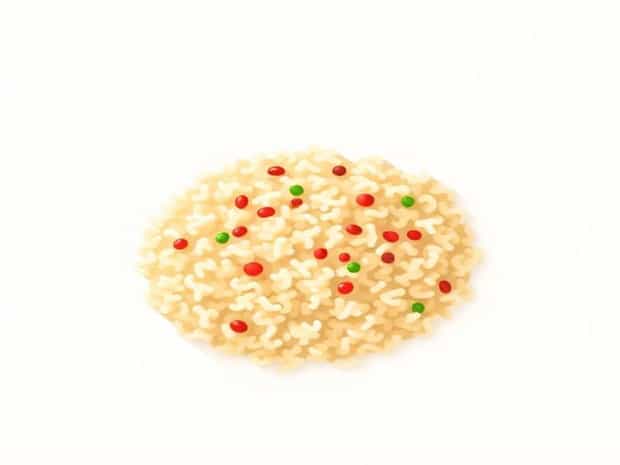
Rice pilaf is a cooking method and a dish rather than a specific type of rice. It involves sautéing rice in fat, such as butter or oil, often with onions, garlic, and aromatic spices, before adding liquid like broth or water to cook the rice. This technique produces rice that is fluffy, flavorful, and separate rather than sticky. Pilaf can be made with different types of rice, including white, long-grain, basmati, and even brown rice. Additional ingredients, such as vegetables, nuts, or meats, can be added to enhance flavor and texture.
Characteristics of Rice Pilaf
- Fluffy texture with grains that remain separate.
- Cooked with sautéed aromatics and fat for added flavor.
- Can include vegetables, nuts, or proteins for variety.
- Prepared with various types of rice, not limited to a specific variety.
What is Brown Rice?
Brown rice is a type of whole grain rice in which only the outermost hull is removed, leaving the bran and germ layers intact. This preserves nutrients, fiber, and minerals, making brown rice more nutritious than white rice. Brown rice has a slightly chewy texture and a nutty, earthy flavor, which distinguishes it from the milder taste of white rice. Cooking brown rice requires more time and liquid than white rice because the bran layer slows down the absorption of water. While brown rice is often used in health-conscious recipes, it can also be incorporated into flavorful dishes such as stir-fries, salads, and pilafs.
Characteristics of Brown Rice
- Whole grain with bran and germ layers intact.
- Higher in fiber, vitamins, and minerals compared to white rice.
- Nutty flavor and slightly chewy texture.
- Requires longer cooking time and more liquid than white rice.
Is Rice Pilaf Made With Brown Rice?
Rice pilaf is a method of cooking rice rather than a specific type, so it can be made using brown rice, white rice, or other varieties. Traditional pilaf often uses white rice due to its mild flavor and shorter cooking time, which results in light, fluffy grains. However, using brown rice for pilaf is possible and can create a healthier dish due to the higher fiber and nutrient content of brown rice. The main difference when using brown rice is that it requires more liquid and a longer cooking period to achieve the desired tenderness, and it will have a slightly chewier texture compared to white rice pilaf.
Benefits of Using Brown Rice in Pilaf
- Higher fiber content promotes digestive health and satiety.
- Rich in vitamins and minerals such as magnesium, manganese, and B vitamins.
- Earthy, nutty flavor adds depth to pilaf dishes.
- Provides a healthier alternative for people seeking whole-grain options.
Flavor and Texture Differences
The choice between white rice and brown rice in pilaf affects both flavor and texture. White rice pilaf is mild, fluffy, and slightly buttery when cooked with aromatics and broth, making it versatile and compatible with a wide range of seasonings and dishes. Brown rice pilaf, on the other hand, has a firmer texture and a distinct nutty taste. While some people prefer the soft, neutral texture of white rice pilaf, others appreciate the richer flavor and nutritional advantages of brown rice pilaf. Adjusting the cooking method can help balance texture and ensure that brown rice pilaf remains tender without becoming mushy.
Cooking Tips for Brown Rice Pilaf
- Rinse the brown rice before cooking to remove excess starch.
- Sauté the rice with aromatics and fat to enhance flavor and prevent sticking.
- Use slightly more liquid than for white rice to ensure proper cooking.
- Cook at a lower temperature for a longer period to achieve tenderness.
Nutritional Considerations
Using brown rice in rice pilaf significantly increases the nutritional value of the dish. Brown rice contains more fiber, which can aid digestion, regulate blood sugar levels, and help maintain a feeling of fullness. It also has a higher content of minerals such as magnesium, phosphorus, and manganese, as well as essential B vitamins. White rice pilaf is still nutritious, especially when cooked in broth with added vegetables and proteins, but the fiber and micronutrient content is lower due to the removal of the bran and germ during processing. Choosing brown rice for pilaf is a great way to enjoy a flavorful dish while boosting overall nutrition.
Health Benefits of Brown Rice Pilaf
- Supports heart health due to fiber and nutrient content.
- Helps maintain healthy digestion.
- May assist in blood sugar management compared to refined white rice.
- Provides a longer-lasting source of energy due to complex carbohydrates.
Culinary Uses of Rice Pilaf
Rice pilaf, whether made with white or brown rice, is a versatile dish that can complement a variety of meals. It is often served alongside grilled meats, roasted vegetables, seafood, or stews. Pilaf can also be enhanced with nuts, dried fruits, fresh herbs, and spices to create a more complex and flavorful side dish. Brown rice pilaf pairs well with robust and savory dishes because its nutty flavor can stand up to stronger seasonings, while white rice pilaf offers a more neutral base for lighter preparations. Both versions are excellent options for entertaining, meal prep, or everyday dining.
Popular Additions to Rice Pilaf
- Chopped vegetables such as carrots, peas, or bell peppers.
- Nuts like almonds, cashews, or pine nuts for added texture.
- Dried fruits such as raisins or cranberries for sweetness.
- Fresh herbs like parsley, cilantro, or thyme to enhance aroma.
rice pilaf is not inherently brown rice, but it can be made using brown rice or other types of rice. The key distinction is that pilaf refers to a cooking method involving sautéing rice with aromatics and cooking it in liquid, rather than a specific variety of rice. Brown rice pilaf offers additional health benefits due to its higher fiber and nutrient content and provides a nuttier flavor and firmer texture compared to white rice pilaf. Both types of pilaf are versatile, flavorful, and adaptable to a wide range of recipes, making them valuable additions to any kitchen.
Understanding the difference between rice pilaf and brown rice allows cooks to make informed decisions when preparing meals. Whether prioritizing nutrition with brown rice or seeking the soft, neutral taste of white rice, pilaf remains a versatile and delicious dish. By experimenting with different types of rice and added ingredients, home cooks and chefs can enjoy a flavorful, satisfying, and nutrient-rich side dish suitable for various cuisines and occasions.