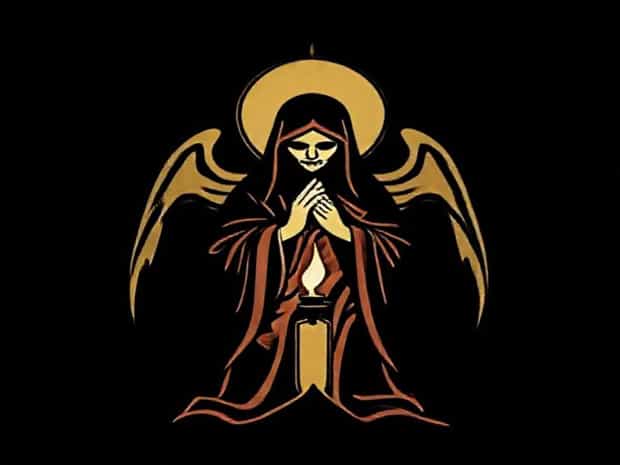
Is Praying To Saints Necromancy
The practice of praying to saints is a topic that often generates debate among Christians, particularly when questions arise about whether it constitutes necromancy. Necromancy is generally understood as attempting to communicate with the dead for guidance, knowledge, or power. In contrast, praying to saints is a devotional practice found in Catholicism and some Orthodox traditions, where believers ask saints to intercede with God on their behalf. Understanding the distinction between necromancy and saintly intercession requires examining biblical teachings, historical context, theological reasoning, and the intent behind the practice.
Understanding Necromancy
Necromancy, as defined in the Bible and historical texts, involves attempting to summon the spirits of the dead to gain hidden knowledge or influence events in the physical world. In the Old Testament, necromancy was strictly prohibited among the Israelites, as seen in passages such as Deuteronomy 1810-12 and Leviticus 1931. The prohibition emphasized reliance on God rather than seeking supernatural power from departed souls. Necromancy was associated with divination, witchcraft, and pagan practices, all considered contrary to God’s commandments.
Characteristics of Necromancy
- Direct communication with the dead to obtain secret knowledge.
- Attempting to manipulate outcomes or gain personal power through spirits.
- Use of rituals or spells to summon or control the dead.
- Condemned as sinful and forbidden in biblical law.
Praying to Saints in Christian Tradition
Praying to saints is rooted in the belief in the communion of saints, a theological concept affirming that the faithful on earth, in heaven, and in purgatory are spiritually connected. Catholics and Orthodox Christians do not view prayers to saints as direct communication with the dead for magical purposes. Instead, they ask saints to intercede with God on their behalf, much like asking a friend or family member to pray for them. Saints are revered because of their holy lives and closeness to God, not because they possess independent power to act apart from divine will.
Theological Basis
The practice of asking saints for intercession is supported by biblical principles of communal prayer and spiritual support. 1 Thessalonians 516-18 encourages believers to pray without ceasing and to support one another in prayer. Revelation 58 and Revelation 83-4 depict the saints in heaven offering prayers to God, which parallels the Catholic understanding of intercessory prayer. The distinction lies in directing prayers through God’s providence rather than to the deceased for personal gain or mystical knowledge.
Intent and Purpose
The intent behind praying to saints is a key factor in differentiating it from necromancy. Necromancy seeks to manipulate the spiritual realm for personal benefit or forbidden knowledge, whereas intercessory prayer to saints seeks guidance, protection, or blessings from God through the saints’ intercession. The purpose is devotional and relational rather than magical. By emphasizing God as the ultimate source of all power and blessings, the practice aligns with Christian teachings on prayer and reverence for holy figures.
Key Differences Between Necromancy and Saintly Intercession
- Necromancy attempts to control the dead; intercession asks for their prayers to God.
- Necromancy is self-serving; saintly intercession is spiritually focused and God-centered.
- Necromancy involves rituals for hidden knowledge; intercession is a form of communal prayer.
- Necromancy is condemned in Scripture; intercession is consistent with the biblical concept of prayer support.
Historical Context
The practice of praying to saints developed in the early centuries of Christianity as the church formalized its understanding of the afterlife, the communion of saints, and the role of holy individuals. Early Christians revered martyrs and saints, honoring their exemplary lives and seeking their prayers. Over time, this evolved into a structured practice with feast days, prayers, and devotions dedicated to saints. Unlike necromantic practices in surrounding pagan cultures, saintly intercession always emphasized God’s authority and the saints’ subordinate role in the divine plan.
Church Teachings
The Catechism of the Catholic Church clearly distinguishes between necromancy and praying to saints. It states that invoking the saints is not a form of divination or magic but an appeal for their prayerful support, as they live in God’s presence. This theological clarification ensures that the practice is devotional rather than manipulative. Catholic teaching emphasizes that saints cannot grant favors on their own; any blessing received comes from God, mediated by the saints’ intercession.
Misconceptions and Criticisms
Some Protestant traditions criticize the practice of praying to saints, viewing it as unnecessary or potentially idolatrous. Critics may equate intercessory prayers with necromancy due to a misunderstanding of the role of saints. Clarifying the theological framework is essential the prayer is addressed to God, with the saint serving as an advocate, not a source of mystical power. Education and understanding of the communion of saints help reduce confusion and highlight the difference between prayerful devotion and prohibited necromantic practices.
Practical Examples
- A Catholic may pray to Saint Anthony to help locate a lost item, asking for his intercession with God.
- During times of illness, believers may ask a saint to pray for healing, trusting in God’s will.
- Prayers for protection or guidance in daily life can be directed through saints as spiritual advocates.
- Communal prayers on feast days honor saints and seek collective intercession, emphasizing shared faith and devotion.
Praying to saints is not necromancy because it does not involve attempting to manipulate the dead or gain hidden knowledge. Instead, it is a devotional practice rooted in the Christian understanding of the communion of saints and intercessory prayer. The focus remains on God, with saints serving as holy advocates who present prayers before Him. Biblical teachings, historical development, and church doctrine all distinguish intercessory prayer from necromancy. By recognizing these differences, believers can appreciate the spiritual significance of praying to saints while avoiding practices that Scripture forbids. This practice reflects faith, reverence, and reliance on God, rather than seeking power or forbidden knowledge from the dead.