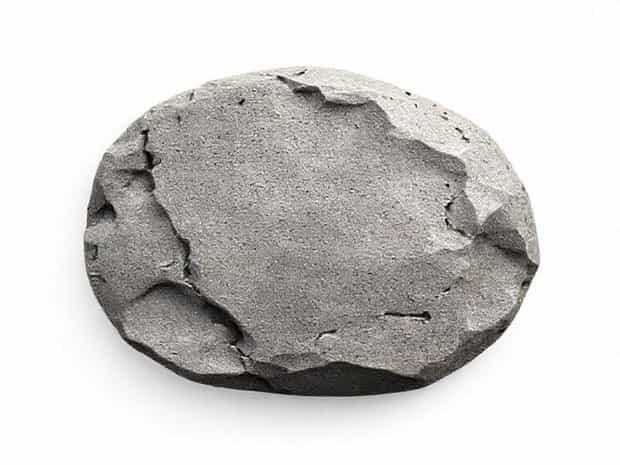
Is Porphyry A Rare Stone
Porphyry is a type of igneous rock that has fascinated geologists, historians, and collectors for centuries. Known for its distinctive texture, with large crystals or phenocrysts embedded in a fine-grained matrix, porphyry has been used for decorative, architectural, and even ceremonial purposes. Its unique appearance, durability, and historical significance often lead people to wonder whether porphyry is a rare stone. Understanding the occurrence, formation, and use of porphyry helps to clarify its rarity and why it remains highly valued in both natural and cultural contexts.
What is Porphyry?
Porphyry is an igneous rock that forms from magma, which cools slowly at first, allowing large crystals to develop, and then more rapidly, creating a finer-grained groundmass. The most common minerals found in porphyry include feldspar, quartz, mica, and amphibole. The contrast between large crystals and the surrounding fine-grained matrix gives porphyry a visually appealing and distinctive appearance. While it is not as rare as precious gemstones like diamonds or rubies, certain types of porphyry, particularly those with unique colors or historical provenance, are considered rare and valuable.
Formation and Geological Occurrence
Porphyry forms in both volcanic and plutonic environments. Magma that cools slowly deep beneath the Earth allows phenocrysts to grow, while the remaining melt cools quickly near the surface. This dual-stage cooling process creates the characteristic porphyritic texture. Porphyry is found in various regions around the world, including Europe, North America, and Asia. The rarity of certain types depends on local geological conditions, mineral content, and historical mining locations.
Types of Porphyry
Porphyry comes in a variety of types, each distinguished by its mineral composition, color, and historical significance. Common types include red porphyry, green porphyry, and purple porphyry, with red porphyry often being associated with ancient Roman architecture and ceremonial uses.
Red Porphyry
Red porphyry, often quarried in Egypt, has been highly prized since antiquity. Its deep reddish color, combined with durability and workability, made it a favorite for columns, statues, and architectural decorations in Roman and Byzantine structures. Due to its limited quarrying sites and historical demand, red porphyry is considered relatively rare today.
Green Porphyry
Green porphyry, sometimes called verde antico, is another rare variant. Found primarily in quarries in Greece and Turkey, it has been used in decorative floors, sculptures, and monuments. Its rarity stems from both limited natural occurrence and the challenges of extracting and processing the stone without damage.
Purple Porphyry
Purple porphyry, also known as imperial porphyry, is one of the most historically significant and rare types. Quarried primarily in Egypt, it was used in Roman imperial architecture and sarcophagi. The rarity of imperial porphyry today is heightened by the fact that its ancient quarries are mostly depleted, making it a highly sought-after material among collectors and historians.
Uses of Porphyry
Porphyry has been used for centuries in construction, sculpture, and decorative arts. Its durability makes it suitable for flooring, columns, and monuments, while its unique aesthetic appeal has made it a symbol of wealth and power. The stone’s rarity in historical contexts further enhanced its value.
Architectural Uses
Throughout history, porphyry has been used in temples, palaces, and important government buildings. Roman emperors favored porphyry for columns and statues, and it became a symbol of imperial authority. Its durability also ensures that many ancient porphyry structures and artifacts have survived, contributing to its historical significance and perceived rarity.
Decorative and Ceremonial Uses
Porphyry has also been employed in decorative arts, including mosaics, floor inlays, and jewelry. Certain types, like imperial purple porphyry, were used exclusively for ceremonial or royal purposes, enhancing their rarity and symbolic importance. Collectors today seek these historical pieces due to their scarcity and cultural value.
Factors That Determine Rarity
While porphyry is not rare in the geological sense, several factors contribute to the perception of rarity, especially for specific types and colors.
Limited Quarry Locations
Porphyry is only found in certain geological regions, and some types, such as imperial purple or red porphyry, come from quarries that are no longer in operation. This geographical limitation makes these varieties rare and highly valued.
Historical Significance
The historical context of porphyry also contributes to its rarity. Stones used in ancient architecture or ceremonial objects are difficult to find today, increasing their desirability among collectors and historians. The rarity is often more cultural than geological in nature.
Unique Colors and Patterns
The color and pattern of porphyry can vary widely depending on mineral composition. Rare colors, such as deep purple or vibrant green, are less common and considered more valuable. These unique aesthetic qualities enhance the perception of porphyry as a rare stone in certain contexts.
Modern Extraction and Availability
Today, porphyry is still quarried in some regions, but high-quality, historically significant types remain rare. Modern mining focuses on industrial and decorative uses, while collectors and museums often preserve ancient pieces. Despite being more accessible than precious gemstones, certain colors and historical variants of porphyry are limited in supply, maintaining their status as rare and valuable.
Industrial Uses
Porphyry is used in modern construction for paving, flooring, and decorative stone products. These applications do not require rare colors, so the stone is relatively common in the industrial context. However, rare varieties with unique colors continue to be reserved for art, heritage projects, or collector markets.
Collector and Museum Demand
The most sought-after porphyry stones are those with historical provenance or unique colors. Museums, art collectors, and historians often acquire these stones for study, display, or preservation, adding to the perception of rarity and value in cultural contexts.
Porphyry is a fascinating stone that combines geological interest, historical significance, and aesthetic appeal. While it is not inherently rare as a geological material, specific types and colors, particularly red, green, and imperial purple, are considered rare due to limited quarry locations, historical demand, and unique visual characteristics. Its long-standing use in architecture, sculpture, and ceremonial objects adds to its cultural and collector value. Whether appreciated for its durability, beauty, or historical importance, porphyry remains a remarkable and highly valued stone in both natural and human contexts.