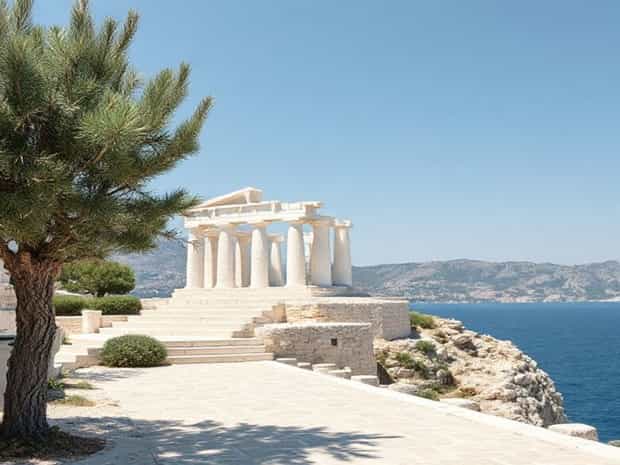
Is Peloponnese Worth Visiting
The Peloponnese region of Greece is often celebrated for its rich history, breathtaking landscapes, and unique cultural experiences. Travelers frequently ask, Is Peloponnese worth visiting? The answer lies in the region’s combination of ancient ruins, stunning beaches, charming towns, and vibrant local life. From mythological sites to natural wonders, the Peloponnese offers a variety of experiences that appeal to history enthusiasts, nature lovers, and adventure seekers alike. Visiting this region allows travelers to explore both Greece’s past and its present in a setting that is less crowded than other tourist hotspots.
Historical Significance
The Peloponnese is a region steeped in history, making it a prime destination for those interested in ancient civilizations. The area is home to numerous archaeological sites, including Mycenae, Epidaurus, and Olympia, which played crucial roles in ancient Greek culture and mythology. Mycenae, known for its impressive Cyclopean walls and the legendary Lion Gate, is a testament to the architectural and societal advancements of the Mycenaean civilization. Olympia, the birthplace of the Olympic Games, offers an extraordinary glimpse into the origins of athletic competition in ancient Greece. Visiting these sites not only allows travelers to witness ancient architecture but also to connect with the stories and legends that shaped Western civilization.
Ancient Theaters and Monuments
Epidaurus is another must-see destination in the Peloponnese, famous for its ancient theater renowned for its exceptional acoustics. The theater still hosts performances today, allowing visitors to experience history in a living context. Beyond the major sites, the region is dotted with smaller ruins, castles, and fortresses, each telling its own story of conquest, defense, and community life throughout history. The combination of well-preserved ruins and accessible historical narratives makes the Peloponnese an invaluable destination for cultural tourism.
Natural Beauty
Beyond history, the Peloponnese boasts stunning natural landscapes that attract hikers, beachgoers, and outdoor enthusiasts. The region features rugged mountains, rolling hills, and scenic coastlines along the Ionian and Aegean Seas. The Mani Peninsula, with its dramatic cliffs and stone villages, offers a mix of adventure and cultural exploration. Meanwhile, the region’s beaches, such as Voidokilia and Simos, are praised for their crystal-clear waters and unspoiled beauty. Whether hiking through the Taygetus Mountains or relaxing by the sea, visitors can immerse themselves in Greece’s diverse natural environment.
Wildlife and Outdoor Activities
The Peloponnese also provides excellent opportunities for outdoor activities. From trekking trails in the mountains to kayaking along coastal waters, travelers can engage with the environment in meaningful ways. Wildlife enthusiasts may spot rare bird species, marine life, and other animals in their natural habitats. Eco-tourism is growing in the region, with guided tours emphasizing sustainable exploration and environmental preservation. This connection to nature enhances the overall experience, offering more than just historical sightseeing.
Charming Towns and Villages
Exploring the towns and villages of the Peloponnese is another reason to consider visiting. Nafplio, a picturesque seaside town, combines Venetian architecture, narrow cobblestone streets, and a lively harbor. It serves as a gateway to nearby historical sites while offering modern amenities such as cafes, boutique shops, and restaurants. Monemvasia, known as the Gibraltar of the East, is a medieval fortress town that seems frozen in time. These towns offer travelers a blend of relaxation, cultural immersion, and authentic Greek hospitality.
Local Culture and Cuisine
The local culture in the Peloponnese is vibrant and accessible to visitors. Traditional festivals, markets, and religious celebrations provide insight into regional customs. Food lovers will appreciate the Peloponnesian cuisine, which features fresh seafood, olive oil, locally grown vegetables, and artisanal cheeses. Dining at a taverna in a small village allows travelers to experience the flavors of the region while interacting with locals. These cultural interactions enhance the sense of authenticity and make the Peloponnese a compelling destination.
Accessibility and Travel Tips
The Peloponnese is accessible by car, bus, and ferry, making it relatively easy to explore despite its diverse geography. Renting a car is often recommended to reach remote villages and hidden beaches that are less frequented by tourists. Public transportation is available between major towns, and ferries connect coastal destinations. For those flying in, Kalamata Airport and Araxos Airport provide entry points to different parts of the region. Travel planning can be flexible, accommodating both quick visits and extended stays for more in-depth exploration.
Best Time to Visit
The ideal time to visit the Peloponnese is during the spring or early autumn, when temperatures are moderate and tourist crowds are smaller. Summer can be very hot, especially inland, but it is perfect for beach activities and water sports. Each season offers unique advantages spring provides blooming landscapes, summer offers long sunny days, autumn brings harvest festivals, and winter allows for a quieter, more introspective experience. Planning a visit around personal preferences ensures a fulfilling experience in the region.
Why the Peloponnese is Worth Visiting
Considering all these factors, the Peloponnese stands out as a destination worth visiting. Its combination of historical depth, natural beauty, charming towns, and cultural richness provides a multifaceted travel experience. The region is less crowded than popular Greek islands, allowing for a more relaxed exploration. From ancient ruins to pristine beaches and authentic local life, the Peloponnese offers something for every type of traveler. Its accessibility, combined with diverse activities, makes it suitable for short trips or extended stays.
Unique Experiences
Visitors to the Peloponnese can enjoy unique experiences that are hard to find elsewhere in Greece. Hiking through mountainous landscapes, exploring ancient fortresses, sampling local wines and olives, and witnessing traditional festivals are all part of what makes the region special. For those seeking a blend of history, culture, adventure, and relaxation, the Peloponnese delivers in ways that leave a lasting impression. It is a region that appeals to curiosity, adventure, and the desire for authentic experiences.
the Peloponnese is undeniably worth visiting for travelers interested in a comprehensive Greek experience. Its rich history, stunning landscapes, charming towns, vibrant local culture, and diverse activities make it a destination that caters to a wide range of interests. Whether exploring ancient ruins, enjoying the beaches, or experiencing local cuisine and festivals, visitors will find the Peloponnese rewarding and memorable. For anyone asking, Is Peloponnese worth visiting?” the answer is a resounding yes, as it offers a journey through time, culture, and nature all in one remarkable region.