Is Parsnip A Vegetable
Parsnip is a root vegetable that has been cultivated for centuries and is well-known for its sweet, nutty flavor and nutritional benefits. Many people often ask whether parsnip is classified as a vegetable, and the answer lies in understanding its botanical characteristics, culinary uses, and nutritional profile. Parsnip belongs to the Apiaceae family, the same family as carrots, celery, and parsley, and is typically grown for its edible taproot. Its versatility in cooking and its role in a balanced diet make it an important addition to vegetable-based meals.
Botanical Classification of Parsnip
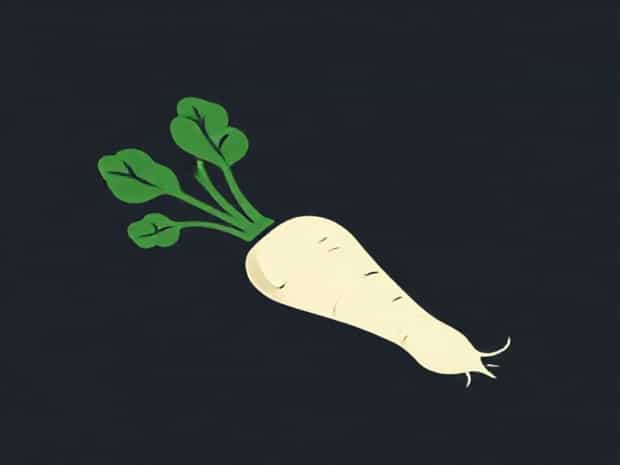
Parsnip, scientifically known asPastinaca sativa, is a biennial plant, meaning it completes its life cycle over two years. The first year is primarily focused on root development, which is the part consumed as food. In the second year, the plant flowers and produces seeds. Parsnip’s edible root is thick, creamy-white, and rich in carbohydrates, particularly natural sugars and starches, which contribute to its sweet flavor when cooked. Its leaves are pinnate and resemble those of parsley, another member of the Apiaceae family.
Why Parsnip is Considered a Vegetable
In botanical terms, vegetables are plant parts consumed by humans, including roots, stems, leaves, and flowers. Parsnip is classified as a root vegetable because it is the underground portion of the plant that is edible and harvested for culinary use. Unlike fruits, which develop from flowers and contain seeds, parsnip is grown primarily for its root and does not require pollination to produce the edible part. This classification aligns with other well-known root vegetables such as carrots, beets, and turnips.
Culinary Uses of Parsnip
Parsnip’s flavor and texture make it highly versatile in the kitchen. It can be boiled, roasted, steamed, mashed, or added to soups and stews. When cooked, parsnips develop a sweeter taste, which pairs well with herbs like thyme, rosemary, and sage. Parsnips can also be pureed into soups or blended into vegetable medleys, offering both flavor and nutritional benefits. In some cuisines, parsnips are used as a substitute for potatoes due to their similar texture and cooking properties.
Popular Recipes Featuring Parsnip
- Roasted parsnips with olive oil, garlic, and rosemary
- Parsnip and carrot mash as a side dish
- Parsnip soup blended with onions, celery, and vegetable broth
- Parsnip fries as a healthier alternative to potato fries
Nutritional Profile of Parsnip
Parsnips are a rich source of vitamins, minerals, and dietary fiber. They contain significant amounts of vitamin C, vitamin K, folate, and potassium, all of which support overall health. The dietary fiber in parsnips aids in digestion, helps regulate blood sugar, and promotes satiety, making it a valuable component of a balanced diet. Additionally, parsnips are low in fat and calories, making them suitable for weight management and heart-healthy diets.
Health Benefits of Parsnip
- Supports Digestive HealthHigh fiber content helps maintain regular bowel movements and digestive health.
- Boosts ImmunityVitamin C in parsnips strengthens the immune system and aids in collagen production.
- Promotes Heart HealthPotassium and fiber contribute to lower blood pressure and reduced cholesterol levels.
- Provides AntioxidantsParsnips contain phytonutrients that help combat oxidative stress and inflammation.
Parsnip vs. Other Root Vegetables
Parsnips are often compared to carrots due to their similar shape and color, but there are differences in taste and nutritional composition. Parsnips are sweeter and more starchy than carrots, making them better suited for roasting and pureeing. Compared to potatoes, parsnips have a lower glycemic index and a higher fiber content, offering a healthier alternative in various dishes. Like other root vegetables, parsnips store well and can be harvested in the fall and winter, providing a nutritious food source during colder months.
Storage and Preparation Tips
- Store parsnips in a cool, dark, and humid environment to prolong freshness.
- Peel and trim roots before cooking to remove tough outer skin.
- Blanch or roast parsnips to bring out their natural sweetness.
- Combine with other vegetables like carrots, potatoes, and turnips for a nutritious medley.
Parsnip in Different Cuisines
Parsnip is enjoyed in a variety of culinary traditions around the world. In European cuisine, it is often roasted or included in soups and stews. In British cuisine, parsnips are traditionally roasted alongside meats during festive meals. In North America, parsnips are sometimes used in mashes or purees as an alternative to potatoes. Their versatility allows them to be incorporated into both savory and sweet dishes, such as parsnip cake or fritters.
Cultural Significance
Historically, parsnips were a staple in Europe before the introduction of the potato. They were valued for their sweetness and ability to store well over winter months. Even today, parsnips hold cultural significance in traditional European meals and holiday dishes, symbolizing a connection to seasonal and locally grown foods.
parsnip is definitively classified as a vegetable, specifically a root vegetable, due to its botanical characteristics and edible portion. Its sweet flavor, nutritional benefits, and versatility in cooking make it an important component of a healthy diet. Parsnips provide essential vitamins, minerals, and dietary fiber, contributing to digestive health, immunity, and heart wellness. With its ability to complement a wide range of dishes, from roasted sides to pureed soups, parsnip is a valuable vegetable in kitchens around the world. Understanding parsnip’s botanical classification, culinary uses, and health benefits confirms that it is not only a vegetable but also a nutrient-rich and flavorful addition to any meal.