Is Nigeria In Sub Saharan Africa
Nigeria is one of the most prominent countries in Africa, known for its large population, diverse cultures, and significant economic influence on the continent. Many people ask whether Nigeria is in Sub-Saharan Africa, a question that reflects the need to understand African geography and regional classifications. Nigeria’s location, demographics, climate, cultural diversity, and political affiliations provide clear evidence that it is indeed part of Sub-Saharan Africa. Examining these factors in detail helps clarify Nigeria’s regional identity and its role within the broader socio-economic and political framework of Sub-Saharan Africa.
Geographical Location of Nigeria
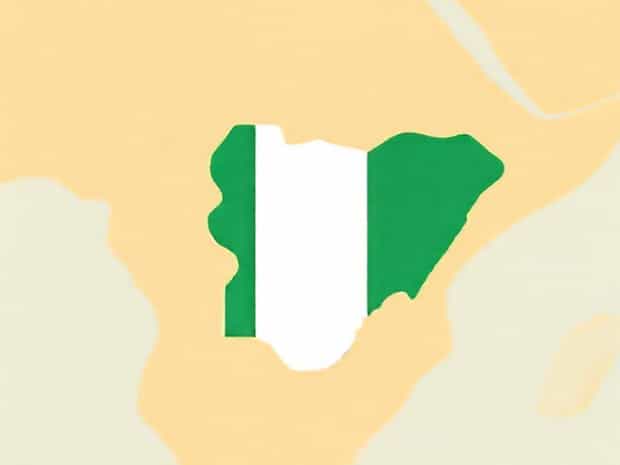
Nigeria is located in West Africa, bordered by Niger to the north, Chad to the northeast, Cameroon to the east, and Benin to the west. To the south, it has a coastline along the Gulf of Guinea, part of the Atlantic Ocean. This strategic location places Nigeria firmly within Sub-Saharan Africa, the region defined as all African countries lying south of the Sahara Desert. Covering an area of approximately 923,769 square kilometers, Nigeria features diverse landscapes including savannahs, tropical forests, plateaus, and river valleys. Its geographic positioning has contributed to its cultural diversity and economic interactions within the region.
Understanding Sub-Saharan Africa
Sub-Saharan Africa refers to the part of the continent located south of the Sahara Desert. It encompasses West, East, Central, and Southern Africa, distinguishing it from North Africa, which has closer cultural and historical ties to the Mediterranean and Arab regions. Sub-Saharan Africa is characterized by tropical and subtropical climates, vast savannahs, rainforests, and a wide range of ethnic groups and languages. Nigeria’s position in West Africa places it well within this region, and its natural, social, and economic characteristics align with those of other Sub-Saharan African nations.
Historical Context and Nigeria’s Role
Nigeria’s historical development underscores its place in Sub-Saharan Africa. The region now known as Nigeria was home to several ancient kingdoms and empires, including the Nok culture, the Hausa city-states, and the Benin Kingdom, all of which contributed to the cultural richness of West Africa. During the colonial period, Nigeria became part of the British Empire, with English introduced as the official language. After gaining independence in 1960, Nigeria retained English for administration, education, and governance, reflecting continuity within the framework of Sub-Saharan African development.
Economic Significance
Nigeria’s economy is one of the largest in Sub-Saharan Africa, driven by oil and gas, agriculture, telecommunications, and services. Its membership in regional organizations such as the Economic Community of West African States (ECOWAS) and the African Union emphasizes its integration into Sub-Saharan economic and political networks. Nigeria actively participates in regional trade, investment initiatives, and policy-making, reinforcing its identity as a core Sub-Saharan African country. Its economic power and population size make it influential in shaping the region’s development trajectory.
- ECOWAS MembershipFacilitates trade, security, and policy coordination in West Africa.
- African Union ParticipationStrengthens Nigeria’s engagement with continental programs and initiatives.
- Oil and AgricultureKey economic sectors that influence Sub-Saharan Africa’s trade dynamics.
Demographics and Cultural Diversity
Nigeria has a population exceeding 220 million people, making it the most populous country in Africa. Its population is incredibly diverse, with over 250 ethnic groups including the Hausa, Yoruba, Igbo, and Fulani. The country has a rich tapestry of languages, religions, and cultural practices, with English serving as the official language while indigenous languages dominate local communication. This diversity reflects the broader patterns seen in Sub-Saharan Africa, where multiple ethnic groups and languages coexist within national boundaries. Festivals, music, art, and traditional practices across Nigeria also exemplify Sub-Saharan cultural characteristics.
Climate and Environment
Nigeria’s climate and environment further align it with Sub-Saharan Africa. The country experiences tropical and semi-arid climates, with distinct wet and dry seasons. Its southern regions feature tropical rainforests, while the northern regions have savannah and semi-arid landscapes. The Niger and Benue Rivers, along with other smaller rivers, support agriculture, transportation, and biodiversity. Nigeria’s ecological zones are typical of Sub-Saharan Africa and differ from the desert and Mediterranean climates of North African countries, confirming its placement in this subregion.
Political Identity in Sub-Saharan Africa
Nigeria’s political identity also reinforces its status as a Sub-Saharan African country. It is a federal republic with a multi-party democracy, regular elections, and a history of political activism and civil society engagement. Nigeria participates in regional security initiatives, peacekeeping missions, and development programs, working closely with other Sub-Saharan African nations. Its policies and governance structures reflect the socio-political challenges and opportunities common to Sub-Saharan Africa, such as managing diverse ethnic groups, promoting economic growth, and maintaining political stability.
International Relations
Nigeria maintains strong diplomatic relations within Sub-Saharan Africa and globally. It collaborates with neighboring countries on issues such as trade, health, education, and climate change. While it also interacts with countries outside the continent, its primary regional focus is West Africa and the broader Sub-Saharan African community. This regional engagement highlights Nigeria’s central role in the political, economic, and cultural development of Sub-Saharan Africa.
Nigeria is unquestionably part of Sub-Saharan Africa, based on its geographic location, demographic characteristics, cultural heritage, climate, and political affiliations. Positioned in West Africa south of the Sahara Desert, Nigeria shares socio-economic, environmental, and cultural traits with other Sub-Saharan countries. Its involvement in regional organizations such as ECOWAS and the African Union further emphasizes its integration into Sub-Saharan networks. Recognizing Nigeria as a Sub-Saharan country helps contextualize its history, economy, politics, and cultural identity within the broader African continent.
In summary, Nigeria’s geography, population diversity, climate, historical development, and regional participation all confirm its status as a Sub-Saharan African nation. It stands as a leading country in West Africa, influencing the continent’s economic, political, and cultural landscape. Understanding Nigeria’s place in Sub-Saharan Africa is essential for studies of African geography, regional development, and international relations. Nigeria’s role as a populous, economically dynamic, and culturally rich nation highlights the importance of Sub-Saharan Africa in the global context and showcases the region’s ongoing influence in shaping Africa’s future.