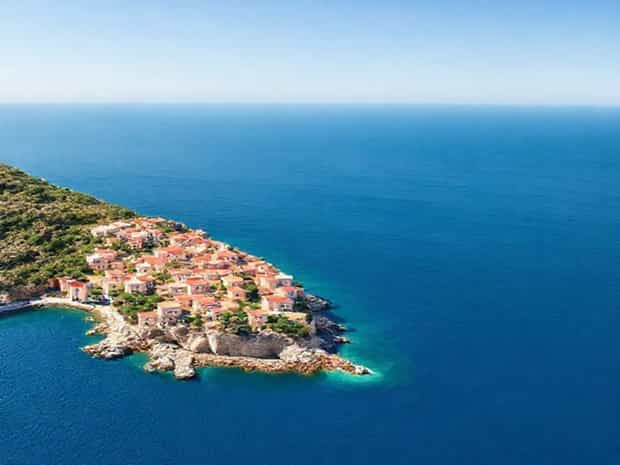
Is Majorca And Mallorca The Same Place
When planning a trip to Spain’s Balearic Islands, many travelers come across the names Majorca and Mallorca and wonder if they refer to the same place. The confusion is common because both names are used interchangeably in travel guides, airline bookings, and online resources. Understanding the history, language, and cultural context behind the names helps clarify this question and allows visitors to navigate travel information with ease. Whether you are booking flights, exploring maps, or planning an itinerary, knowing the distinction or lack thereof between Majorca and Mallorca can enhance your travel experience.
The Names Majorca vs. Mallorca
Majorca and Mallorca are indeed the same island, the largest of the Balearic Islands in the Mediterranean Sea. The difference in spelling arises primarily from language and transliteration. Mallorca is the original name in Catalan and Spanish, the official languages of the Balearic Islands. In Catalan, the double ll is pronounced as a y sound, so it is spoken similarly to Mah-yor-ca. On the other hand, Majorca is the Anglicized version of the name, adapted for English speakers. Historically, English maps and travel literature used Majorca, which has persisted in many guidebooks and travel websites.
Pronunciation and Usage
The pronunciation varies depending on the language and region
- Mallorca (Catalan/Spanish)Pronounced as Mah-yor-ca
- Majorca (English)Pronounced as Maj-or-ca or sometimes May-or-ca
While both names refer to the same island, locals typically use Mallorca, especially in official signage, maps, and communications. English-speaking tourists and older guidebooks may still refer to the island as Majorca, which can be confusing for first-time travelers.
Historical Background
The island’s history also explains the dual naming. Mallorca has been inhabited since prehistoric times and has seen influence from Romans, Moors, and Catalans. Its name in the local language, Mallorca, has remained consistent through the centuries. English explorers and writers adopted Majorca during periods of increased travel and trade with Spain. Over time, the English version became common in tourism literature, while the original name remained in official and local use. Understanding this history helps travelers recognize that references to Majorca and Mallorca are interchangeable, depending on the context.
Travel Guides and Maps
Modern travel guides, online maps, and airline bookings often list both names. For example, flight searches may show Palma de Mallorca as the arrival airport, while tour operators might market packages to Majorca. Recognizing that these names refer to the same island avoids confusion when planning trips, booking hotels, or renting cars. Tourists should look for the airport code PMI, which is consistent regardless of whether the name Majorca or Mallorca is used.
Geography of Mallorca/Majorca
Mallorca, or Majorca, is the largest island in the Balearic archipelago, which also includes Menorca, Ibiza, and Formentera. It is approximately 3,640 square kilometers in size, making it the most extensive and populous island of the group. The island features diverse landscapes, including sandy beaches, rugged cliffs, mountain ranges like the Serra de Tramuntana, and fertile plains. This variety makes it an attractive destination for tourists seeking both relaxation and adventure. Popular destinations on the island include Palma, the capital city; Alcúdia with its historic old town; Sóller in the Tramuntana mountains; and Cala Millor for beach resorts.
Accessibility and Travel Options
Travelers can reach Mallorca/Majorca via Palma de Mallorca Airport (PMI), which handles both domestic and international flights. Ferries also connect the island to mainland Spain, particularly Barcelona and Valencia. Once on the island, options include rental cars, buses, and cycling for exploring the scenic routes. The dual naming does not affect transportation logistics, but recognizing the different terms is helpful when consulting travel guides or speaking with locals.
Cultural Significance
The use of Mallorca reflects the island’s Catalan heritage, which is an essential part of its cultural identity. Local festivals, traditions, and cuisine are tied closely to the language and history of the island. English-speaking tourists may still see the name Majorca in marketing materials or tour guides, but embracing the local name enriches the travel experience and shows respect for local culture. Understanding local terms can also enhance interactions with residents, whether asking for directions, ordering food, or learning about cultural events.
Language Considerations
While Catalan and Spanish are widely spoken, English is commonly understood in tourist areas. Signs, menus, and guides may use Majorca to accommodate international visitors, but most official documents and local communications use Mallorca. Learning a few key phrases and using the local spelling can improve your experience and help avoid misunderstandings.
Practical Tips for Travelers
For those planning a trip to Mallorca/Majorca, here are some tips
- Use the airport code PMI when booking flights to ensure you select the correct destination.
- Check travel guides for both names, as hotels and tours may list either Majorca or Mallorca.
- Familiarize yourself with local signage, which will predominantly use Mallorca.
- Plan transportation ahead, whether renting a car, using buses, or taking ferries between islands.
- Consider the cultural context and embrace the local name to enhance your travel experience.
In summary, Majorca and Mallorca are the same island, with the difference in naming arising from language and historical usage. Mallorca is the original Catalan and Spanish name, while Majorca is the Anglicized version used in English travel literature. Both names refer to the same geographical location, the largest island in Spain’s Balearic archipelago, known for its stunning beaches, mountainous landscapes, and rich cultural heritage. Travelers should be aware of both terms when planning flights, accommodations, and tours to avoid confusion. Understanding the dual naming enhances navigation, communication with locals, and appreciation of the island’s history and culture. By recognizing that Majorca and Mallorca are one and the same, tourists can focus on enjoying the diverse attractions, scenic beauty, and vibrant traditions that make this Mediterranean island a top destination.
Ultimately, whether you see Majorca on your travel itinerary or Mallorca on local signs, you are headed to the same enchanting island. From the bustling streets of Palma to the tranquil beaches and scenic mountains, the island offers a wide range of experiences for every type of traveler. Using the correct local terminology enriches your visit, while awareness of the Anglicized name ensures smooth planning and navigation throughout your journey.