Is Lake Elsinore Man Made
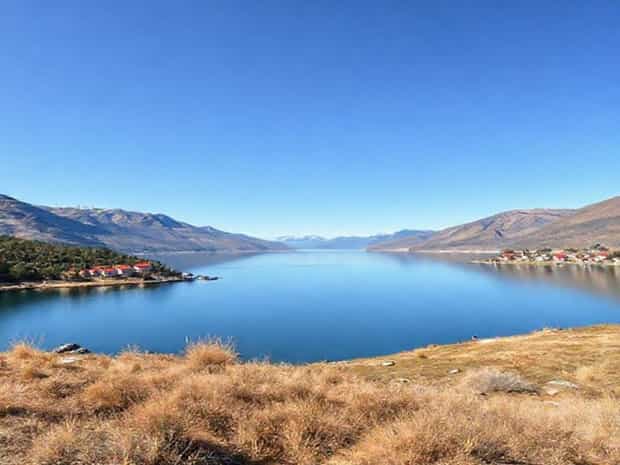
Lake Elsinore, located in Southern California, is a natural freshwater lake that often raises questions about whether it is man-made or naturally formed. As one of the largest natural lakes in the state, it has a fascinating history tied to geological processes, climate shifts, and human influence over time. Many visitors and residents wonder about its origin because of the way it has been modified for recreation, water management, and urban development. Understanding whether Lake Elsinore is man-made involves looking at both its natural beginnings and the role people have played in shaping it into the destination it is today.
The Natural Origins of Lake Elsinore
Lake Elsinore is not man-made; it is a natural lake formed thousands of years ago. It sits in a basin created by tectonic activity along the Elsinore Fault Zone. This fault system, which is part of the larger San Andreas Fault network, influenced the land depressions that allowed water to accumulate over time. Because of its natural geological formation, Lake Elsinore has been a significant body of water for Native American tribes and later settlers, long before any artificial modifications were made.
Geological Formation
The lake occupies a natural valley basin, which collects water from rainfall and surrounding rivers. Its existence can be traced back to glacial and post-glacial periods when changes in the Earth’s crust created the conditions for lakes across California. Unlike reservoirs created by dams, Lake Elsinore was not engineered by humans from scratch, which sets it apart from many other lakes in the region.
Native Use and Early History
For centuries, local tribes relied on the lake as a source of water, food, and cultural significance. Its natural origin made it a landmark and a vital resource in an otherwise arid region. Later, Spanish explorers and settlers recognized the value of this natural body of water, contributing to the development of the surrounding area.
Human Modifications Over Time
Although Lake Elsinore is a natural lake, human interventions have significantly altered its ecosystem and appearance. These changes sometimes lead to the misconception that it is man-made. Modifications were mainly done to regulate water levels, prevent flooding, and make the lake more suitable for recreation and development.
Water Regulation Efforts
The natural water levels of Lake Elsinore have historically fluctuated, sometimes drying up completely during droughts or overflowing during heavy rains. To address these challenges, engineers constructed dams, levees, and channels to stabilize its water levels. These modifications gave the impression that the lake was artificially created, but in reality, they were adjustments to a pre-existing natural feature.
Recreational Development
With the growth of nearby towns and the attraction of tourism, Lake Elsinore was transformed into a hub for fishing, boating, and other water sports. Facilities, docks, and infrastructure were added around the lake to support visitors. This heavy human involvement adds to the confusion about whether the lake is man-made, even though its basin and origin are entirely natural.
Environmental Importance of Lake Elsinore
As the largest natural freshwater lake in Southern California, Lake Elsinore plays a key ecological role. Its wetlands provide habitats for migrating birds, fish, and other wildlife. The natural formation of the lake ensures it remains part of a larger watershed system that connects to the Santa Ana River Basin.
Wildlife Habitat
The lake supports a variety of species, from waterfowl to bass fish. Birdwatchers often find it a valuable location during migration seasons. These natural ecosystems highlight the fact that the lake’s foundation is natural, even though human activities have influenced its current state.
Climate and Water Cycles
The natural cycles of drought and rainfall directly affect the lake’s depth and shoreline. While artificial measures help stabilize it, Lake Elsinore remains tied to natural climate patterns, showing that its existence is rooted in geological and environmental forces, not man-made engineering alone.
Comparisons With Man-Made Lakes
To better understand whether Lake Elsinore is man-made, it helps to compare it with true artificial lakes or reservoirs. For example, Lake Mead in Nevada was created by the Hoover Dam, and Lake Perris in California was built as part of a water supply project. These bodies of water would not exist without deliberate construction. By contrast, Lake Elsinore was already present as a natural formation, only later adjusted by human activity.
- Lake ElsinoreNaturally formed, later modified by water regulation systems.
- Lake PerrisFully man-made reservoir created for water storage and recreation.
- Lake MeadArtificially formed by damming the Colorado River.
Why People Think Lake Elsinore Is Man-Made
Several factors contribute to the misconception. The visible infrastructure such as levees, floodgates, and recreational docks makes it appear engineered. Additionally, fluctuations in water levels managed by human intervention create the impression that it functions more like a reservoir. In reality, these features are layers of human adaptation placed on top of a naturally occurring lake basin.
Urban Growth and Infrastructure
The city of Lake Elsinore has grown rapidly, with homes, roads, and commercial areas developed around the shoreline. This urbanization blends human design with natural geography, making it less obvious that the lake itself predates modern development by thousands of years.
Tourism and Cultural Significance
Today, Lake Elsinore is known as both a recreational hotspot and a cultural landmark. Its natural origin adds to its charm, while human improvements make it more accessible to visitors. Tourists enjoy water sports, camping, and scenic views that are only possible because of its unique mix of natural and modified elements.
Events and Attractions
The lake hosts fishing tournaments, boating competitions, and seasonal festivals. Its combination of natural beauty and developed facilities attracts thousands of visitors each year. This dual identity natural foundation with human enhancement keeps Lake Elsinore central to Southern California’s outdoor life.
Natural at the Core
So, is Lake Elsinore man-made? The answer is no. It is a naturally formed lake that has been shaped and modified by people over the years. Its geological origins are tied to tectonic activity and natural water collection, making it a true natural landmark. Human involvement has certainly influenced its appearance and usability, but at its core, Lake Elsinore remains one of California’s most important natural freshwater lakes. Recognizing this balance between nature and human intervention helps us appreciate both its history and its role in the modern world.