Is Kebab A Skewer
Kebabs are a popular and versatile dish enjoyed around the world, but many people wonder whether a kebab is simply a skewer or if the term encompasses more than that. The concept of kebab originates from Middle Eastern, Mediterranean, and South Asian cuisines, where it has evolved into a wide variety of styles, ingredients, and cooking methods. While skewering is a common way to prepare kebabs, it is not the only method, and understanding the cultural and culinary context of kebabs helps clarify this distinction. Exploring the origins, types, and preparation techniques of kebabs reveals the depth and diversity of this globally loved dish.
Definition and Origins of Kebab
The word kebab” refers broadly to pieces of meat that are cooked in various ways, often with vegetables, spices, and marinades. The term has its roots in Persian cuisine, where it originally described grilled or roasted meats. Over time, the dish spread across the Middle East, South Asia, and Europe, resulting in many regional variations. Kebab can include lamb, beef, chicken, or fish, and in some cases, even vegetables or tofu. While skewering is a traditional method, kebabs can also be pan-fried, baked, or cooked on a rotisserie.
Skewered Kebabs
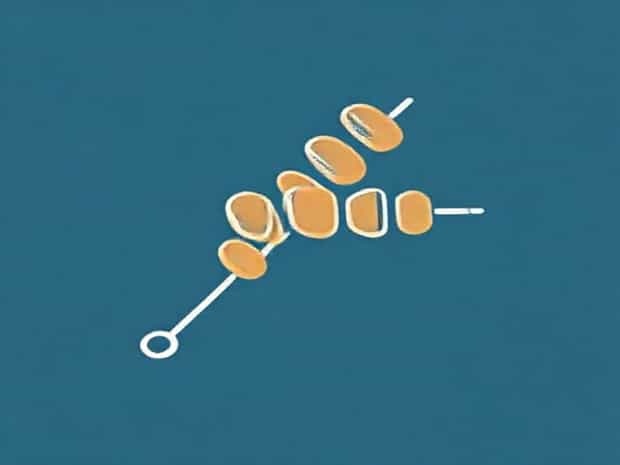
One of the most iconic images of kebabs involves meat or vegetables threaded onto a skewer. These skewered kebabs are grilled over an open flame or on a barbecue, giving the meat a smoky, charred flavor. The skewer serves both a practical and aesthetic function it helps cook the meat evenly, keeps pieces together, and makes serving and eating easier. Common types of skewered kebabs include shish kebab, seekh kebab, and yakitori, each with its own regional twist.
Types of Kebab
Kebabs are incredibly diverse, and not all of them are served on skewers. Understanding the different types helps clarify why the term kebab cannot be limited to skewered preparations.
Skewered Kebabs
- Shish KebabOriginating from Turkey, shish kebabs are chunks of marinated meat grilled on skewers, often with vegetables like peppers and onions.
- Seekh KebabPopular in South Asia, ground meat is mixed with spices, molded onto skewers, and grilled.
- YakitoriA Japanese variation of skewered chicken pieces, often seasoned with sauces or spices.
Non-Skewered Kebabs
- Doner KebabThin slices of marinated meat cooked on a vertical rotisserie, shaved, and typically served in bread or wraps.
- Kofta KebabGround meat mixed with herbs and spices, shaped into balls or patties, and grilled, baked, or pan-fried without skewers.
- Kabsa or Kebab StewsIn some Middle Eastern cuisines, the term kebab can also refer to meat cooked in stews or casseroles, highlighting its broader culinary meaning.
Preparation Methods
While skewering is one of the most traditional ways to prepare kebabs, it is not required. Different cooking techniques result in various flavors and textures, all under the umbrella of kebab. The primary preparation methods include
Grilling
Grilling is the most common technique, especially for skewered kebabs. High heat from charcoal, gas, or wood imparts a smoky flavor and a charred exterior while keeping the meat juicy inside. Grilled kebabs are often basted with marinades or oil to enhance flavor.
Pan-Frying
Non-skewered kebabs, such as kofta or ground meat patties, can be pan-fried. This method allows for quick cooking and a caramelized exterior. Pan-frying is ideal for smaller, shaped kebabs that do not require skewers.
Rotisserie Cooking
Doner kebabs use a vertical rotisserie, where large portions of meat are cooked slowly and shaved off as needed. This method provides even cooking and keeps the meat tender. Rotisserie cooking does not require skewers, yet it is a quintessential type of kebab.
Baking
Some kebabs, especially kofta and stuffed kebabs, can be baked in ovens. Baking allows for even heat distribution and is often combined with sauces or vegetables for a complete dish.
Ingredients in Kebabs
While the preparation methods vary, common ingredients define the flavor profile of kebabs. Typically, kebabs include
- MeatLamb, beef, chicken, or fish are most common.
- MarinadesYogurt, olive oil, citrus juices, and spices help tenderize and flavor the meat.
- Herbs and SpicesCumin, coriander, paprika, garlic, and parsley are frequently used.
- VegetablesOnions, peppers, and tomatoes often accompany skewered kebabs.
Why the Skewer is Important but Not Essential
Skewers are a traditional tool in preparing kebabs, but they are not required for a dish to be classified as a kebab. Skewering provides convenience and presentation benefits, but the essence of a kebab lies in its marinated, spiced meat or vegetables, cooked using methods that enhance flavor and texture. Non-skewered variations, such as doner or kofta, maintain the identity of kebab without the stick. Thus, a kebab is defined more by its ingredients and preparation style than by the presence of a skewer.
Cultural Significance of Skewered Kebabs
In many cultures, skewered kebabs are synonymous with communal meals and street food. The skewer makes it easy to grill over open flames, share among friends, and eat directly from the stick. This traditional presentation has contributed to the widespread association of kebabs with skewers, even though other preparation methods are equally authentic.
Serving Kebabs
Kebabs are enjoyed in a variety of ways depending on the region and type. Skewered kebabs are often served on plates with rice, salad, or flatbreads, while doner kebabs are commonly wrapped in pita or flatbread with vegetables and sauces. Kofta or baked kebabs may appear alongside sauces or dips, emphasizing their versatility. Presentation and accompaniments differ, but the core element marinated, flavorful meat or vegetables remains central.
Popular Accompaniments
- Rice or pilaf
- Flatbreads such as pita or naan
- Yogurt-based sauces, such as tzatziki
- Fresh salads and grilled vegetables
- Spicy sauces or chutneys
Is kebab a skewer? The answer is both yes and no. While many iconic kebabs, like shish kebabs, are prepared on skewers, the term kebab refers broadly to seasoned and cooked meat or vegetables that can be prepared in multiple ways, including grilling, baking, pan-frying, or using a rotisserie. The skewer is a traditional and practical tool that enhances cooking and presentation, but it is not an essential requirement for a dish to be considered a kebab. Whether skewered or not, kebabs are defined by their flavorful marinades, quality ingredients, and diverse preparation methods. This versatility has allowed kebabs to become a beloved dish around the world, enjoyed in countless forms while maintaining their cultural and culinary identity.
Understanding the variety of kebabs from skewered shish and seekh to non-skewered doner and kofta highlights that the skewer is just one element of a rich culinary tradition. Kebabs, regardless of preparation method, continue to delight people with their bold flavors, versatility, and cultural significance, making them a staple of global cuisine.