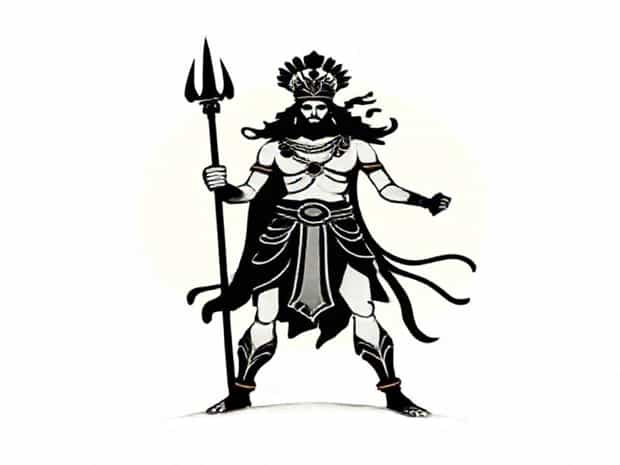
Is Karna In Kalki Purana
The Kalki Purana is one of the significant texts in Hindu literature that describes the future incarnation of Lord Vishnu, Kalki, who is prophesied to appear at the end of the Kali Yuga to restore dharma and eradicate adharma. Many enthusiasts of Hindu mythology and scholars of Puranic literature often explore the characters and events described in this text to understand the role of different figures in the eschatological narrative. One question that arises is whether Karna, the heroic figure from the Mahabharata, is mentioned in the Kalki Purana. Examining the text, its historical context, and its mythological narrative provides clarity on this subject and helps connect the stories of past epics with future prophecies in Hinduism.
Overview of the Kalki Purana
The Kalki Purana is a relatively late addition to the Puranic corpus, primarily focused on describing the life and deeds of Kalki, the final avatar of Vishnu. It details Kalki’s birth in the village of Shambhala, his divine attributes, his battles against evil, and his ultimate role in re-establishing righteousness on Earth. The text serves as a guide to understanding the cosmic cycle of yugas, particularly emphasizing the degradation of dharma in the Kali Yuga and the need for divine intervention. The Kalki Purana primarily centers on future events, detailing Kalki’s arrival, his conquests, and the establishment of a new era of truth and justice.
The Narrative Focus of the Kalki Purana
The text extensively covers the qualities of Kalki, his celestial weapons, his companions, and the battles he fights against the forces of adharma. It includes prophetic elements, societal conditions during the Kali Yuga, and instructions for devotees about maintaining dharma. While the Purana references various mythological concepts and characters, its focus remains on the future avatar rather than past heroes like Karna. Understanding this narrative emphasis is crucial to answering whether Karna is mentioned in the text.
Karna in Hindu Mythology
Karna is one of the central characters in the Mahabharata, celebrated for his valor, loyalty, generosity, and tragic life story. He was born to Kunti and the Sun God, raised by a charioteer family, and became a key warrior for the Kauravas during the Kurukshetra war. Despite his noble qualities, he faced numerous hardships due to his social status and the curses he endured. Karna’s life story revolves around dharma, friendship, and the struggles of human destiny. His narrative is primarily confined to the Mahabharata and related texts that explore the events of that epic.
Karna’s Role and Legacy
Karna is remembered for his unwavering loyalty to Duryodhana, his generosity, and his adherence to personal principles despite facing injustice. He is often depicted as a tragic hero whose virtues were sometimes overshadowed by circumstances and divine interventions. In the context of Hindu literature, Karna represents the complexity of dharma, where moral decisions and fate intertwine. While he is an important figure in Mahabharata-related texts, his presence in texts like the Kalki Purana is less clear and warrants examination.
Is Karna Mentioned in the Kalki Purana?
Upon examining the Kalki Purana, there is no direct reference to Karna as a character in the narrative. The text focuses on the future events of the Kali Yuga, the coming of Kalki, and the eradication of evil. It mentions various types of sinners, demonic forces, and societal conditions that will prevail, but it does not specifically recount figures from the Mahabharata, such as Karna, Arjuna, or Krishna, except in passing references to dharmic principles and past yugas. Therefore, while Karna’s legacy and dharmic struggles are influential in Hindu thought, he is not directly included as a participant in the Kalki Purana’s storyline.
Possible Reasons for the Absence
The absence of Karna can be attributed to the thematic focus of the Kalki Purana. Since the text is forward-looking, detailing the end times and the rise of Kalki, it primarily concerns itself with the challenges of the Kali Yuga rather than recounting past epic narratives. The Purana is prophetic rather than historical or epic, aiming to instruct devotees about the moral and spiritual conditions they will face and the divine intervention that will restore dharma. Therefore, while figures like Karna are celebrated in earlier texts, the Kalki Purana maintains its distinct narrative purpose.
The Connection Between Past Heroes and Kalki
Although Karna is not mentioned directly, the values and dharmic lessons from past heroes like him influence the ethos of Kalki’s narrative. Kalki is expected to confront evil, injustice, and unrighteousness in a manner reminiscent of the battles and moral challenges faced by heroes in earlier yugas. The story of Karna, along with other Mahabharata figures, serves as a cultural and moral backdrop, reinforcing the timeless struggle between dharma and adharma. In this sense, the spirit of Karna and similar characters is embedded in the principles that Kalki will uphold, even if they are not named specifically.
The Role of Dharma Across Yugas
In Hindu cosmology, each yuga presents challenges to dharma and tests human virtues. The Mahabharata, set in the Dwapara Yuga, showcases the consequences of human choices, the importance of loyalty, and the trials of dharma. The Kalki Purana, focusing on the Kali Yuga, continues this narrative tradition by emphasizing the restoration of dharma through Kalki’s intervention. While Karna’s story belongs to a previous yuga, the Purana upholds similar ethical and spiritual lessons, demonstrating continuity in Hindu moral philosophy.
Understanding the Significance
Even though Karna does not appear in the Kalki Purana, his story remains significant in understanding the themes of dharma, righteousness, and divine justice that permeate Hindu literature. Believers and scholars can draw parallels between the trials faced by Karna and the challenges described in the Kalki Purana. Both highlight the interplay between human effort, moral integrity, and divine will. The Purana, by focusing on future events, allows readers to reflect on these timeless values and the role of divine intervention in guiding humanity toward righteousness.
Lessons from Karna for the Kali Yuga
Karna’s life offers lessons in courage, generosity, and moral complexity that are relevant for understanding the spiritual challenges of the Kali Yuga. By studying Karna alongside the Kalki Purana, believers can gain insights into the importance of ethical conduct, resilience in the face of adversity, and faith in divine justice. These lessons bridge the narratives of past and future yugas, providing a holistic view of dharma across Hindu cosmology.
Karna is not explicitly mentioned in the Kalki Purana, as the text primarily focuses on the future incarnation of Vishnu as Kalki and the events of the Kali Yuga. However, the moral and ethical values exemplified by Karna in the Mahabharata continue to resonate within the spiritual and philosophical framework of the Purana. While Karna’s story belongs to the past, the principles of dharma, courage, and devotion that he represents remain influential in understanding the narrative of Kalki and the restoration of righteousness. By examining both texts together, readers can appreciate the continuity of dharmic ideals and the enduring relevance of heroic figures like Karna in the spiritual and ethical teachings of Hinduism.