Is Jenny Wren A Bird
The term Jenny Wren may sound whimsical or familiar to literature enthusiasts, music fans, or bird watchers, but it often raises the question is Jenny Wren a bird? While the name appears in various cultural references, it actually originates from the natural world, referring to a small songbird known for its lively nature and distinctive song. Understanding the Jenny Wren requires exploring its classification in ornithology, its behavior and habitat, and the ways it has influenced literature, music, and culture over the centuries.
Biological Classification of the Jenny Wren
The Jenny Wren is commonly known as the wren, belonging to the family Troglodytidae. These birds are among the smallest in the avian world, often measuring just 9 to 10 centimeters in length and weighing only a few grams. Despite their diminutive size, wrens are known for their remarkable energy, territorial behavior, and complex vocalizations. They are distributed widely across Europe, Asia, and the Americas, with different species adapted to varied environments from dense woodlands to urban gardens.
Species and Habitat
Several species fall under the wren category, but the bird most often referred to as Jenny Wren in the United Kingdom is the Eurasian Wren (Troglodytes troglodytes). This species thrives in woodlands, hedgerows, and gardens, displaying remarkable adaptability. Wrens are known for building dome-shaped nests with side entrances, often in concealed locations to protect their eggs from predators. Their habitats can range from rural forests to suburban backyards, highlighting their resilience and ability to coexist with human populations.
Physical Characteristics
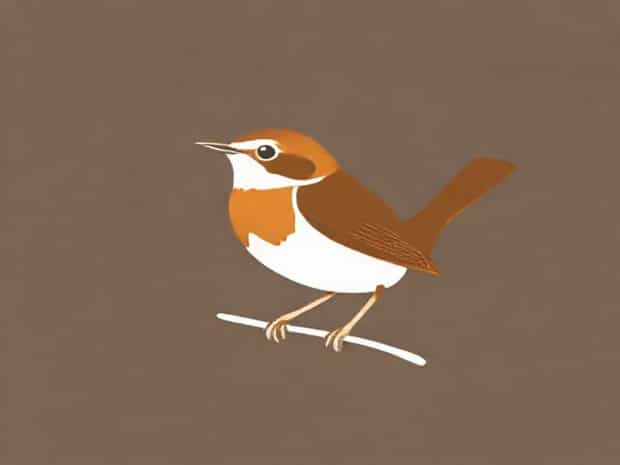
Jenny Wrens are tiny, compact birds with short wings, rounded bodies, and characteristic upright tails. Their plumage is generally brown with subtle barring on the wings and tail, allowing them to blend seamlessly into their natural environment. Despite their understated appearance, their small size belies their vocal power. Male Jenny Wrens produce loud, complex songs that serve both to attract mates and to defend their territory from rivals. This vocalization is often considered one of the most impressive aspects of the bird, given its size.
Behavior and Diet
Wrens are active, curious, and agile, often seen hopping among underbrush, rocks, or garden shrubs in search of food. Their diet consists primarily of insects, spiders, and other small invertebrates, which they glean from foliage, bark, and soil. During colder months, they may supplement their diet with seeds or berries. Jenny Wrens are known for their high metabolism and constant activity, which is necessary to sustain their energy levels given their small body size.
Cultural References to Jenny Wren
Beyond ornithology, the name Jenny Wren has appeared in literature, music, and folklore. Charles Dickens famously used Jenny Wren as the nickname for a character in his novel Our Mutual Friend. The character’s nickname reflects qualities associated with the bird, such as small stature, liveliness, and a spirited nature. Similarly, the name has been used in songs and poems to evoke imagery of delicacy, charm, or nimbleness, highlighting the bird’s influence on human culture and creativity.
Music and Folklore
In addition to literary references, the Jenny Wren has inspired various musical compositions and folk songs. Songwriters often invoke the image of the Jenny Wren to convey lightness, sweetness, or a connection to nature. Folklore in some regions portrays the wren as a clever or brave bird, despite its small size, reflecting humanity’s fascination with its intelligence and resilience. These cultural connections reinforce the bird’s identity and ensure its continued presence in collective imagination.
Observing Jenny Wrens in the Wild
For bird watchers and nature enthusiasts, observing a Jenny Wren can be a rewarding experience. Their tiny size makes them easy to overlook, but their energetic behavior and vocalizations make them distinctive once noticed. Wrens are often active in early morning or late afternoon, foraging close to the ground or among shrubs. Because they are highly territorial, bird watchers may hear their songs long before they spot the bird itself, offering a unique auditory experience of nature.
Tips for Bird Watching
- Listen for their loud, melodious song, which can help locate them in dense vegetation.
- Look for movement among low shrubs, hedgerows, or garden plants.
- Provide a natural habitat in gardens with dense bushes or nesting boxes to encourage their presence.
- Observe quietly and avoid disturbing their nesting areas, particularly during breeding season.
- Use binoculars to appreciate their subtle plumage details and behavior without causing stress.
Conservation Status
Fortunately, the Jenny Wren, or Eurasian Wren, is not currently considered threatened. Its adaptability to various habitats, including urban areas, has contributed to stable population levels. Conservation efforts for wrens and other small birds typically focus on habitat preservation, reducing pesticide use, and maintaining biodiversity in natural and semi-natural areas. Protecting such species ensures that their ecological role as insect predators and their cultural significance remain intact for future generations.
Ecological Importance
Wrens play a vital role in their ecosystems by controlling insect populations, pollinating plants indirectly, and contributing to soil health through foraging behavior. They also serve as prey for larger birds and mammals, forming a crucial link in the food web. Understanding and preserving the Jenny Wren’s natural habitat supports overall biodiversity and ecological balance.
To answer the question, Jenny Wren is indeed a bird, specifically a small, energetic, and melodious species commonly referred to as the Eurasian Wren. Beyond its biological identity, the Jenny Wren has inspired literature, music, and folklore, symbolizing liveliness, charm, and resilience. Its widespread distribution, adaptability to different habitats, and cultural impact make it a fascinating subject for both naturalists and enthusiasts of human creativity. Observing the Jenny Wren in the wild provides insight into its behavior, diet, and vocalizations, highlighting the intricate relationship between humans and nature. Protecting this small yet significant bird ensures that future generations can continue to appreciate its ecological role, cultural resonance, and enduring charm.