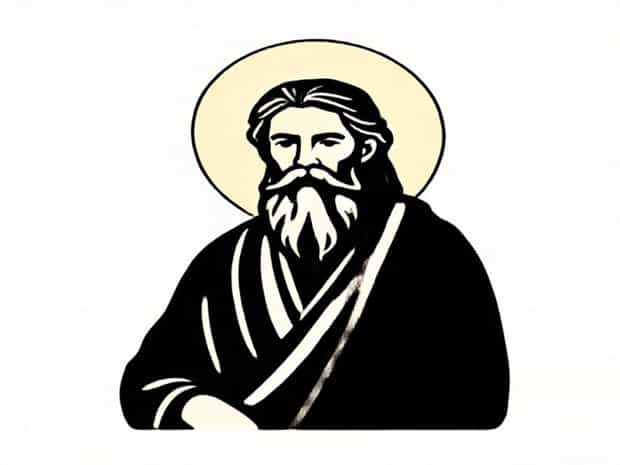
Is Jacob A Patriarch
Jacob is one of the most significant figures in the Hebrew Bible, often discussed in religious studies, theology, and history. He is widely recognized for his role in shaping the lineage of the Israelites and is frequently referred to in discussions about the patriarchs of the Jewish faith. The question of whether Jacob is a patriarch goes beyond simply acknowledging his presence in biblical stories; it involves understanding his historical, spiritual, and familial significance. Jacob’s life is filled with notable events, including his dreams, his interactions with his brother Esau, his marriages to Leah and Rachel, and the birth of his twelve sons who would go on to form the twelve tribes of Israel. Exploring these aspects helps clarify why Jacob is not just a biblical character, but indeed a patriarch whose legacy resonates through generations.
Who Is Jacob in the Bible?
Jacob is the son of Isaac and Rebekah and the grandson of Abraham, making him the third generation in the lineage often referred to as the patriarchal line of the Hebrew Bible. His story is primarily found in the Book of Genesis, where his life journey reflects themes of struggle, faith, and divine promise. Jacob’s experiences, from his birth to his old age, highlight his pivotal role in continuing the covenant established by God with Abraham and Isaac. This covenant, which included promises of land, descendants, and blessings, is central to understanding why Jacob is considered a patriarch within the Jewish, Christian, and Islamic traditions.
The Meaning of the Term Patriarch
The word patriarch” originates from Greek and Latin roots meaning father or chief of a family. In a biblical context, it refers to the founding fathers of the Israelite people. Abraham, Isaac, and Jacob are traditionally recognized as the three patriarchs. These figures are celebrated for their faith, obedience to God, and their role in establishing the family line that would become the Israelite nation. Jacob’s designation as a patriarch is rooted in his central position in this lineage and his pivotal role in fulfilling God’s promises to his ancestors.
Jacob’s Life and Significance
Jacob’s life is marked by key events that emphasize his importance as a patriarch. From his early years, Jacob was involved in complex family dynamics, including his rivalry with his twin brother Esau. The biblical account tells how Jacob acquired Esau’s birthright and later received the blessing intended for Esau from their father, Isaac. These events highlight not only Jacob’s cunning and determination but also the fulfillment of divine plans that would shape the destiny of his descendants. His personal struggles, moral choices, and interactions with God provide a foundation for his legacy as a patriarch.
Jacob’s Encounter with God
One of the most defining moments in Jacob’s life was his dream at Bethel, where he saw a ladder reaching to heaven with angels ascending and descending. In this vision, God reaffirmed the covenant made with Abraham and Isaac, promising Jacob numerous descendants and the land on which he slept. Later in his life, Jacob wrestled with a mysterious figure, often interpreted as an angel or God Himself, and was given the name Israel, meaning one who struggles with God. These encounters reinforce Jacob’s spiritual significance and his role as a patriarch through whom God’s promises continue.
Jacob’s Family and Legacy
Jacob married two sisters, Leah and Rachel, and also had children with their maidservants, Bilhah and Zilpah. Through these unions, he fathered twelve sons, who would become the ancestors of the twelve tribes of Israel, and a daughter, Dinah. Each son went on to establish a distinct tribe, contributing to the social, political, and religious structure of ancient Israel. Jacob’s careful attention to his family, his guidance of his sons, and his blessings on them before his death all demonstrate his patriarchal role in ensuring the continuation and prosperity of his lineage.
The Patriarchal Role of Jacob
Jacob’s designation as a patriarch is not just a title but a reflection of his responsibilities and influence over generations. As a patriarch, he served as the spiritual and familial leader of his household, providing guidance, protection, and blessings. His decisions and actions directly shaped the future of the Israelite people. Jacob’s faith and obedience to God set an example for his descendants, reinforcing the religious and moral framework that underpins Jewish tradition. In addition, his story illustrates the challenges and rewards of fulfilling a covenantal role, making him a model patriarch in biblical history.
Jacob in Jewish Tradition
In Jewish tradition, Jacob is revered as one of the three patriarchs, a foundational figure whose life is studied for moral and spiritual lessons. His experiences are recounted in prayers, texts, and celebrations, and his legacy is often reflected upon during festivals and religious teachings. Jacob is also associated with the concept of perseverance and the importance of faith, as his life exemplifies struggle, growth, and reliance on God’s guidance.
Jacob in Christianity and Islam
Jacob’s patriarchal significance extends beyond Judaism. In Christianity, he is acknowledged as part of the genealogy of Jesus, linking the covenantal promises of God to the New Testament narrative. In Islam, Jacob, known as Yaqub, is considered a prophet and a righteous man whose descendants continued the line of important prophetic figures. Across these faiths, Jacob’s patriarchal role is recognized as central to the unfolding of divine plans and the shaping of religious heritage.
Lessons from Jacob’s Life
Jacob’s story offers multiple lessons about faith, perseverance, and family leadership. As a patriarch, he demonstrates the importance of maintaining faith through trials, nurturing family relationships, and guiding descendants with wisdom. His life shows that leadership is not only about authority but also about responsibility, moral integrity, and commitment to divine principles. Modern readers often draw inspiration from Jacob’s journey, seeing his experiences as a template for personal growth and spiritual development.
Symbolism and Legacy
- Jacob’s name change to Israel symbolizes struggle, growth, and divine favor.
- The twelve tribes descending from his sons represent unity, diversity, and continuity within a community.
- Jacob’s blessings and guidance reflect the transmission of faith, values, and tradition across generations.
Jacob is undeniably a patriarch, both historically and spiritually. His life embodies the responsibilities, struggles, and triumphs that define a patriarchal figure in biblical tradition. From his encounters with God to his guidance of the twelve tribes of Israel, Jacob’s influence has endured for millennia, impacting Judaism, Christianity, and Islam. Recognizing Jacob as a patriarch highlights not only his personal significance but also his central role in the formation of religious, cultural, and family identity. His story continues to inspire faith, moral reflection, and understanding of the enduring legacy of the patriarchs.