Is It Frog Gigging Season
Frog gigging is a traditional outdoor activity that combines skill, patience, and knowledge of local wildlife. Many people enjoy frog gigging as a recreational pastime, while others rely on it as a source of food. Understanding whether it is frog gigging season requires knowledge of local regulations, environmental conditions, and the breeding cycles of frogs. Seasonality is important not only for legal compliance but also for ensuring that frog populations remain sustainable. The timing and rules for frog gigging vary across regions, making it essential for enthusiasts to stay informed and responsible when planning their trips.
What is Frog Gigging?
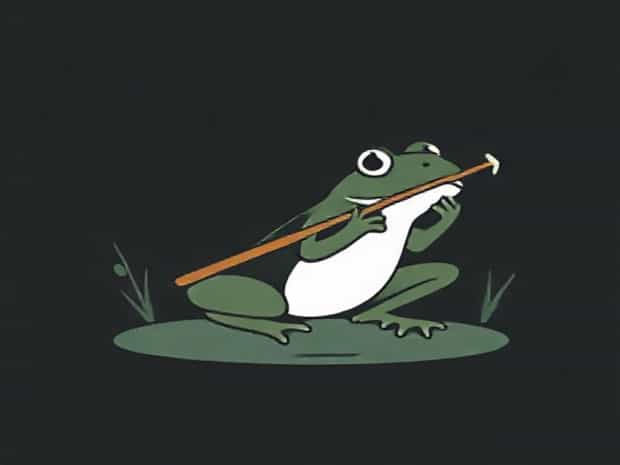
Frog gigging is a method of catching frogs using a gig, which is a multi-pronged spear typically designed for safely capturing amphibians in shallow waters. The activity is often conducted at night, as frogs are more active and visible during these hours. Many giggers use lights to spot the frogs’ eyes reflecting in the water. The practice is popular in rural and swampy areas, where frog populations are abundant. While some people engage in frog gigging purely for recreation, others hunt frogs for their meat, which is considered a delicacy in many regions.
Equipment Used for Frog Gigging
Successful frog gigging requires specific equipment. The primary tool is the gig itself, which usually has three to five prongs. Flashlights or headlamps are essential for nighttime visibility. Some giggers use boats or waders to access shallow waters, while others rely on boots for easier mobility along the banks. Proper clothing and safety gear are also important, as frog gigging often takes place in wet and sometimes uneven terrains. Responsible giggers ensure that their equipment is safe for both themselves and the frogs they capture.
Seasonality of Frog Gigging
The timing of frog gigging season depends largely on local regulations and the life cycle of frogs. In many areas, authorities designate specific months for frog harvesting to protect the breeding population and prevent overharvesting. Typically, frog gigging is permitted during late spring, summer, and early fall, when frogs are most active. These months coincide with warmer temperatures, which make frogs easier to find and capture. Understanding the local calendar and following the designated season is crucial for legal and ecological reasons.
Regional Variations
Frog gigging season varies by state, county, or country. For example, in some southern U.S. states, the season may open as early as April and extend into September, while in northern regions, it might start later and end earlier due to colder temperatures. Regulations often specify not only the months but also daily hours when gigging is allowed, typically at night. Checking with local wildlife departments or fish and game agencies is essential to ensure compliance with legal requirements.
Regulations and Legal Considerations
Frog gigging is subject to legal oversight to prevent overharvesting and protect local ecosystems. Many regions require licenses or permits to engage in frog gigging. There are also restrictions on the size and number of frogs that can be harvested, ensuring that juvenile and breeding frogs are preserved. Some areas prohibit gigging in protected wetlands, rivers, or wildlife reserves. Adhering to these rules helps maintain healthy frog populations and supports biodiversity in aquatic habitats.
Licensing and Limits
Before going frog gigging, it is important to obtain the necessary license, which may be a general fishing license or a specific frog gigging permit, depending on local laws. Bag limits, which restrict the number of frogs that can be collected per person per day, are common. Additionally, some regions impose size limits, allowing only adult frogs to be harvested. Responsible giggers respect these regulations, contributing to the long-term sustainability of the activity.
Environmental Factors Affecting Frog Gigging
Environmental conditions play a significant role in determining the success of frog gigging and whether it is the right time to go out. Frogs are more active during warm, humid nights, particularly after rainfall. Seasonal patterns, such as mating calls and migration to breeding ponds, can also influence when frogs are abundant and easy to locate. Wetland health and water quality are additional factors, as polluted or dry areas can reduce frog populations and affect gigging opportunities.
Behavioral Patterns of Frogs
Understanding frog behavior enhances the chances of a successful gigging trip. Frogs are nocturnal and are often found near shallow water, where they hunt for insects and other small prey. During mating season, male frogs call to attract females, which increases visibility and accessibility. Observing these natural behaviors helps giggers locate frogs efficiently while minimizing disruption to the ecosystem.
Safety and Ethical Considerations
Frog gigging can be a rewarding activity, but it requires attention to safety and ethical considerations. Navigating wetlands and rivers at night can be hazardous due to slippery terrain, deep water, and wildlife encounters. Wearing appropriate footwear, carrying a first aid kit, and going with a partner are recommended safety measures. Ethically, giggers should avoid overharvesting and respect local wildlife laws to maintain ecological balance. Many seasoned giggers practice catch-and-release for educational or recreational purposes.
Responsible Gigging Practices
- Follow all local regulations regarding season, bag limits, and protected areas.
- Use equipment that minimizes harm to non-target species.
- Avoid disturbing nesting areas or sensitive habitats.
- Educate beginners on sustainable gigging techniques and environmental stewardship.
Determining whether it is frog gigging season depends on local regulations, climate conditions, and the natural activity patterns of frogs. In general, the season falls during warmer months when frogs are most active, but specific dates and rules vary widely by region. Understanding and following these guidelines ensures that frog gigging is both legal and sustainable, protecting frog populations and aquatic ecosystems for future generations. Enthusiasts should stay informed about local regulations, seasonal timing, and environmental conditions to maximize the experience and maintain ethical practices.
Frog gigging combines tradition, outdoor recreation, and an appreciation for nature. By recognizing the seasonal aspects, obtaining the proper permits, and following sustainable practices, giggers can enjoy this activity responsibly. Whether for sport, food, or cultural heritage, knowing when it is frog gigging season is essential for a successful and environmentally conscious adventure. Respecting wildlife, understanding frog behavior, and observing legal requirements contribute to a rewarding experience for both beginners and experienced giggers alike.