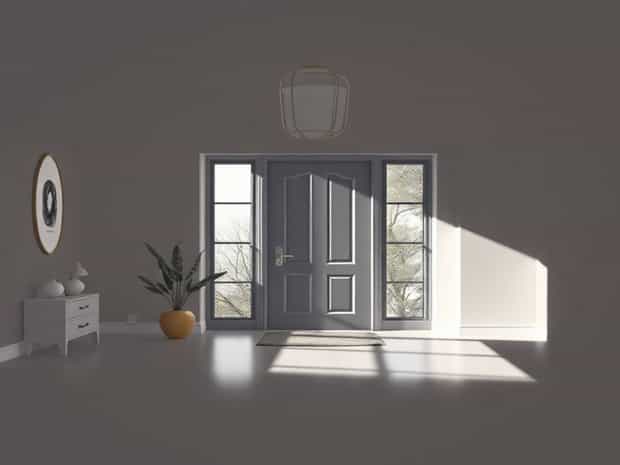
Is It Foyer Or Foyay
Language is full of words borrowed from other cultures, and one of the most debated terms in English is foyer. Many people have wondered whether it should be pronounced as foyer with a hard er sound, or as foyay with a softer, French-inspired ending. This debate is not just about sound it also reflects history, culture, and the evolution of language. When you enter a building, theater, or someone’s home, the space you first step into often sets the tone, and that is where the word foyer comes in. Understanding how to pronounce it can make you feel more confident in both casual and formal settings.
Origin of the Word Foyer
The word foyer comes from French, where it originally referred to a hearth or fireplace. Over time, the meaning shifted to describe the entrance hall or reception area of a house, theater, or public building. In French, the pronunciation is closer to foyay, which explains why many English speakers adopt that style. However, as the word entered English and became part of everyday vocabulary, pronunciation differences started to appear, influenced by local accents and cultural preferences.
Pronunciation in American English
In American English, the word foyer is most commonly pronounced with a clear er ending, making it sound like foy-er. This version reflects the tendency of American English to anglicize words borrowed from other languages. In everyday use across the United States, saying foyer with the er ending is considered completely acceptable and is often the standard in casual conversation. It feels more natural to American speech patterns and is easier for most speakers to say without hesitation.
Pronunciation in British English
In British English, however, you are more likely to hear the French-style pronunciation, foyay. British English has a stronger tradition of keeping French words closer to their original form. This is particularly true in architecture, hospitality, and theater settings. Using foyay can give a touch of elegance, which is why many in the UK prefer it, especially when describing the entrance halls of hotels, galleries, or upscale homes.
Why Both Pronunciations Exist
The reason why both foyer and foyay exist is simply due to language adaptation. English is a living language, and it absorbs influences from other languages constantly. Some people prefer the authentic French sound, while others adopt the simplified English version. Both pronunciations are widely recognized, and neither is incorrect it depends on context and personal preference.
Factors that Influence Pronunciation
-
GeographyWhere you live often determines which pronunciation feels more natural. Americans lean toward foy-er, while British speakers prefer foyay.
-
Social SettingIn formal or cultural spaces like theaters, foyay may be more common, while at home foy-er is often used.
-
Education and ExposureThose who study French or are exposed to European culture may be more inclined to say foyay.
How Dictionaries Treat the Word
If you look up the word foyer in dictionaries, you will usually see both pronunciations listed. American dictionaries often put foy-er first, showing its prevalence in everyday American English. British dictionaries frequently give foyay as the first choice, reflecting its traditional European pronunciation. This dual listing proves that both versions are legitimate, and speakers are free to use the one that fits their style or region.
Examples in Everyday Conversation
To understand the difference, imagine walking into a hotel lobby. An American might say, Please wait for me in the foyer, pronouncing it as foy-er. In contrast, a British traveler could say the same sentence but pronounce it foyay. Both would be understood, but the pronunciation can subtly convey a sense of background, culture, or even formality. This small variation shows the beauty of language diversity.
Misconceptions About Pronunciation
Some people assume that only foyay is correct because it reflects the French origin, while others believe foy-er is the only acceptable English form. The truth is more balanced both are right, and neither should be judged as wrong. Language evolves, and once a borrowed word becomes part of English, its pronunciation adapts to fit the language’s natural flow.
When to Use Each Pronunciation
Knowing when to use foyer versus foyay can depend on the situation. In casual settings, foy-er is often the safest choice, especially in American conversations. If you are in a formal event, particularly in a theater, art gallery, or European context, using foyay might sound more polished. The choice can also depend on your audience speaking in a way that feels natural while also considering the setting shows social awareness.
Tips for Choosing the Right Pronunciation
-
Use foy-er in everyday American English conversations.
-
Opt for foyay in formal British or international settings where French influences are strong.
-
Adapt to the pronunciation you hear around you to blend naturally into the environment.
-
Remember that both are correct, so confidence matters more than the choice itself.
Foyer in Cultural Contexts
The foyer is more than just a physical space it symbolizes welcome, transition, and hospitality. In architecture and design, the foyer sets the stage for the rest of the building. Hotels use grand foyers to impress guests, while homes often keep them functional and cozy. Regardless of how you pronounce it, the word carries cultural weight that goes beyond simple language.
The debate between foyer and foyay is a perfect example of how language evolves while keeping its cultural roots. Both pronunciations are valid, shaped by geography, tradition, and personal preference. Whether you lean toward the American foy-er or the British-influenced foyay, the important thing is clarity and confidence in communication. So, next time you step into a theater lobby, a hotel entrance, or a home hallway, you can decide how you want to say it knowing that both versions tell a story about the richness of language and cultural exchange.