Is Ireland A Country?
Ireland is frequently discussed in terms of its identity, geography, and political structure, which often leads to the question is Ireland a country? The answer is nuanced because Ireland can refer to the entire island or the sovereign nation commonly known as the Republic of Ireland. Understanding Ireland’s status as a country requires exploring its political history, geographical divisions, governance, and international recognition. These factors collectively clarify why Ireland is considered a country, while also distinguishing it from Northern Ireland, which is part of the United Kingdom. Examining these details provides a comprehensive view of Ireland’s national identity and territorial distinctions.
Geographical Overview of Ireland
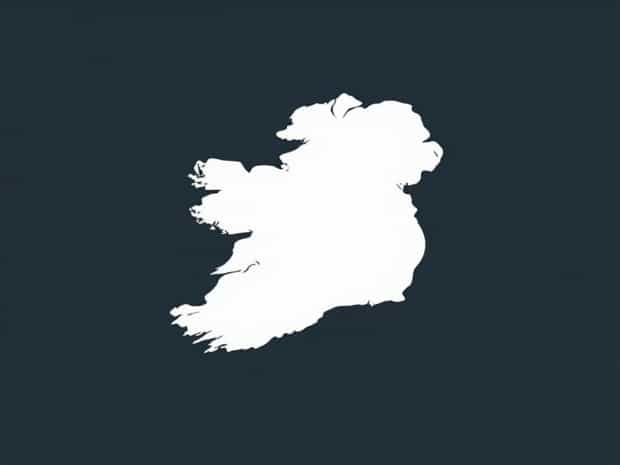
The island of Ireland is located in the North Atlantic, west of Great Britain. It is divided into two main political regions the Republic of Ireland and Northern Ireland. The Republic of Ireland occupies most of the island and functions as an independent sovereign nation, while Northern Ireland remains part of the United Kingdom. The island features diverse landscapes, including mountains, lakes, rivers, and extensive coastlines. Its geography has played a significant role in shaping cultural identities, historical events, and political boundaries throughout its history.
Key Geographical Features
- Major mountain ranges include the Wicklow Mountains and the MacGillycuddy’s Reeks.
- Numerous rivers such as the Shannon, which is the longest river in Ireland.
- Coastal landscapes with cliffs, beaches, and bays, including the Cliffs of Moher.
- Fertile plains and agricultural areas that support local economies and communities.
Political Status of Ireland
The Republic of Ireland is a fully recognized sovereign country with its own government, legal system, and constitution. It gained independence from the United Kingdom in 1922 as the Irish Free State and later became a fully sovereign republic in 1949. Ireland is recognized internationally as an independent nation and is a member of several global organizations, including the United Nations and the European Union. This recognition solidifies Ireland’s status as a country on the global stage, separate from Northern Ireland.
Government and Governance
- Parliamentary democracy with a President as the head of state.
- Two houses of parliament Dáil Éireann (lower house) and Seanad Éireann (upper house).
- Independent judiciary and legal system based on common law traditions.
- Administrative divisions include counties and local councils for regional governance.
Historical Context
The question of Ireland as a country is closely linked to its historical background. Ireland experienced centuries of English and later British rule, which shaped its political landscape. The struggle for independence culminated in the early 20th century with the Irish War of Independence, leading to the establishment of the Irish Free State. Subsequent political developments, including the declaration of the Republic of Ireland in 1949, confirmed its status as a sovereign country. This historical trajectory highlights Ireland’s journey from colonial rule to independent nationhood.
Important Historical Milestones
- 1801 Act of Union merged Ireland with Great Britain to form the United Kingdom of Great Britain and Ireland.
- 1922 Establishment of the Irish Free State following the Anglo-Irish Treaty.
- 1937 Adoption of the Irish Constitution, formally establishing the modern state.
- 1949 Declaration of the Republic of Ireland, ending remaining ties to the British monarchy.
Cultural Identity and National Symbols
Ireland’s status as a country is also reflected in its distinct cultural identity. The nation has its own language, traditions, and national symbols that reinforce sovereignty and unity. The Irish language, music, dance, literature, and folklore contribute to a shared national heritage. Symbols such as the tricolor flag, the harp, and St. Patrick as the patron saint emphasize Ireland’s identity as an independent country. These cultural markers distinguish Ireland from other regions and underline its nationhood.
National Symbols and Cultural Features
- The Irish tricolor flag represents peace, unity, and national identity.
- The harp is the official emblem used in government and official documents.
- St. Patrick’s Day celebrated worldwide as a symbol of Irish heritage.
- Irish language and literature maintain cultural uniqueness and national pride.
International Recognition
Internationally, Ireland is recognized as a sovereign country and engages in diplomacy, trade, and global initiatives. Membership in organizations such as the United Nations, European Union, and World Trade Organization affirms its country status. Ireland maintains diplomatic relations with nearly all countries worldwide and operates embassies, consulates, and missions abroad. This recognition ensures Ireland’s active participation in international law, agreements, and global governance, further confirming its legitimacy as a country.
Global Standing
- Member of the European Union and participates in EU policymaking.
- Maintains embassies and consulates in numerous countries for diplomatic relations.
- Active participant in international agreements, trade, and global governance.
- Recognition by the United Nations as a fully independent state.
Distinguishing Ireland from Northern Ireland
Understanding Ireland as a country also requires differentiating it from Northern Ireland. Northern Ireland is part of the United Kingdom and has its own local government but is not a separate country. The distinction is crucial for political, legal, and cultural contexts. While the entire island is geographically called Ireland, the Republic of Ireland represents the independent nation, whereas Northern Ireland remains under UK jurisdiction. This distinction helps answer the question of Ireland’s country status accurately and clarifies common misconceptions.
Key Differences
- Republic of Ireland is an independent country with its own government.
- Northern Ireland is part of the United Kingdom, not a separate country.
- Distinct legal systems, governance, and international representation.
- Cultural identities may overlap but political sovereignty differs between the two regions.
Ireland is indeed a country, specifically referring to the Republic of Ireland, which occupies most of the island. It is a sovereign nation with its own government, legal system, cultural identity, and international recognition. While the entire island is called Ireland, distinguishing the Republic of Ireland from Northern Ireland is essential to understanding its political status. Ireland’s history, geography, cultural identity, and international relations all affirm its status as a country. This comprehensive understanding provides clarity for travelers, scholars, and anyone interested in Ireland’s national and territorial identity.