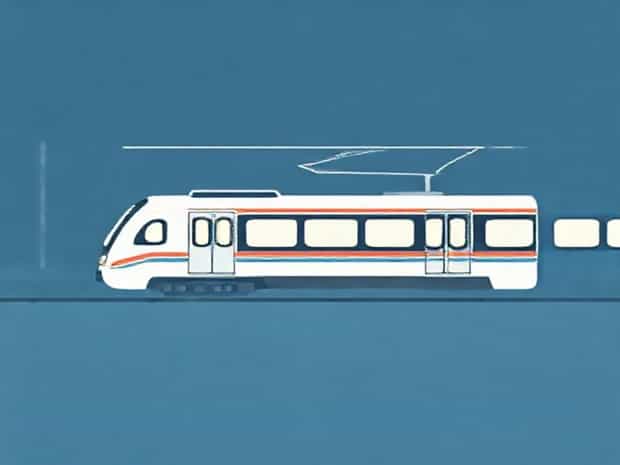
Is Intercity A Train?
When traveling between cities, many people wonder whether intercity refers to a train service or some other mode of transportation. The term intercity” is commonly used in the context of transportation systems, particularly in countries with extensive rail networks. Understanding what an intercity service entails, its differences from regional or commuter trains, and the advantages it offers can help travelers make informed decisions when planning trips between urban centers. Intercity travel plays a crucial role in connecting cities efficiently, providing an alternative to car or air travel while often offering comfort, speed, and convenience.
What Does Intercity Mean?
The term “intercity” literally refers to travel between cities. In the context of transportation, intercity typically describes train services, bus services, or other transit options designed to connect major urban areas rather than focusing on local or suburban routes. While the word could technically apply to buses or coaches, it is most frequently associated with trains in many countries, particularly in Europe, Asia, and Australia. Intercity trains are designed for longer journeys, usually covering hundreds of kilometers and providing amenities tailored for extended travel.
Intercity Train Services
Intercity trains are specifically designed to operate between major cities, often bypassing smaller towns to reduce travel time. These trains generally offer faster speeds compared to regional or local trains and provide more comfortable seating arrangements, restrooms, and sometimes dining or onboard catering services. Depending on the country, intercity trains can range from conventional locomotives to high-speed rail services capable of exceeding 300 kilometers per hour. The goal is to offer a reliable, efficient, and comfortable option for passengers traveling significant distances without the need for personal vehicles or flights.
Features of Intercity Trains
Intercity trains have several distinguishing features that set them apart from other rail services
- SpeedIntercity trains are generally faster than commuter or regional trains due to fewer stops and prioritization on main rail lines.
- ComfortDesigned for long-distance travel, intercity trains typically offer spacious seats, luggage storage, climate control, and restrooms.
- FrequencyWhile not as frequent as local trains, intercity services run at regular intervals throughout the day to accommodate travelers between major cities.
- ConnectivityIntercity trains often link key economic, cultural, and political centers, making them vital for business and tourism.
- TicketingIntercity tickets often require reservations and may be more expensive than regional or local services due to enhanced amenities and longer distances.
Examples of Intercity Train Networks
Many countries have established intercity train services as a primary mode of long-distance travel. In Europe, for instance, Germany’s InterCityExpress (ICE) connects major cities like Berlin, Munich, and Frankfurt at high speeds. In the United Kingdom, the InterCity brand historically referred to express trains linking London with cities such as Manchester, Edinburgh, and Glasgow. Similarly, India’s rail network features intercity trains connecting major metropolitan areas, offering overnight and daytime services to accommodate various passenger needs. Each system highlights the efficiency and importance of rail travel for intercity connections.
Intercity vs Regional Trains
Understanding the difference between intercity and regional trains is crucial for travelers planning their journeys. While intercity trains focus on connecting large cities over longer distances with minimal stops, regional trains serve smaller towns and suburban areas with more frequent stops. Regional trains tend to be slower, have simpler seating, and are used primarily for short- to medium-distance commutes. Intercity trains, on the other hand, prioritize speed, comfort, and fewer interruptions, making them ideal for travelers covering larger distances. This distinction is essential for anyone considering train travel, as choosing the correct type of service can significantly impact travel time and comfort.
Benefits of Using Intercity Trains
Traveling by intercity train offers several advantages over other forms of transportation
- ConvenienceIntercity trains often connect city centers directly, eliminating the need for long airport transfers or navigating congested highways.
- Environmental ImpactTrains are generally more energy-efficient than cars or airplanes, making intercity travel a more environmentally friendly option.
- Comfort and SpacePassengers can move around, use workspaces, or relax during the journey, which is more challenging in cars or planes.
- ReliabilityTrain schedules are less affected by weather conditions compared to flights, reducing the risk of delays.
- Scenic RoutesMany intercity rail lines pass through picturesque landscapes, offering a unique travel experience that cannot be enjoyed from the highway or in the air.
Intercity Travel Beyond Trains
Although the term “intercity” is most commonly linked to trains, it can also apply to buses, coaches, and other long-distance transit services. Intercity buses operate between cities and towns, often providing a cost-effective alternative to train travel. These services may not offer the same speed or comfort as intercity trains, but they are widely used in regions where rail infrastructure is limited. In some cases, intercity travel also refers to ride-sharing networks or shuttle services designed to link urban centers efficiently. Despite these variations, the essence of intercity travel remains the same connecting cities in a way that is faster and more convenient than local transportation.
Planning an Intercity Train Journey
When planning an intercity train journey, passengers should consider several factors to ensure a smooth experience. Booking tickets in advance is often recommended, especially for popular routes or peak travel seasons. Checking schedules, travel times, and available amenities can help travelers choose the service that best meets their needs. Additionally, understanding luggage policies and onboard services can enhance comfort and convenience. For international travelers, researching whether an intercity train connects with airports or other transportation hubs can further streamline travel plans.
In summary, intercity primarily refers to train services that connect major cities over long distances. These trains offer speed, comfort, and efficiency, making them an attractive alternative to car or air travel for many passengers. While the term can also apply to buses and other transit options, intercity trains are the most recognized form of intercity transportation in many countries. Understanding the differences between intercity and regional services, the benefits of using intercity trains, and planning considerations can greatly improve travel experiences. For anyone traveling between cities, intercity trains provide a reliable, comfortable, and environmentally friendly mode of transportation that combines convenience with the opportunity to enjoy scenic routes and efficient travel.