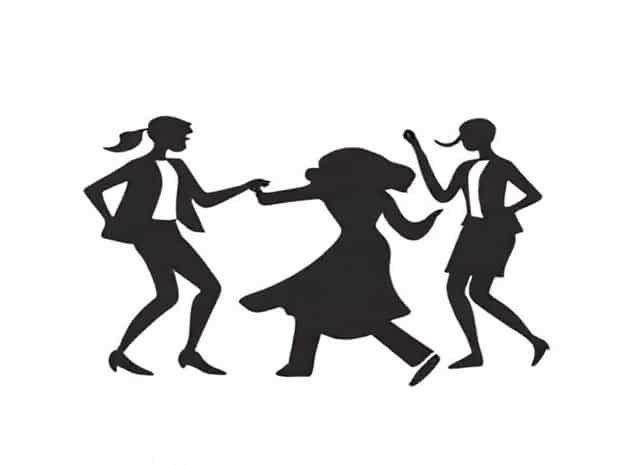
Is Hustle A Dance?
The term hustle” often appears in conversations about work ethic, business, and personal drive, but in the world of dance, it carries a very different meaning. Hustle is indeed a dance, one that gained widespread popularity in the 1970s disco era. It is characterized by smooth, synchronized movements performed in pairs, often to upbeat disco music. Understanding hustle as a dance involves exploring its origins, unique steps, cultural significance, and the resurgence it experienced in modern dance communities. While many people today associate the word hustle with ambition or hard work, its roots in dance history highlight a vibrant social and artistic tradition.
Origins of the Hustle Dance
The hustle dance originated in the United States during the early 1970s, primarily in New York City. It emerged as a response to the booming disco culture, providing dancers with a way to move rhythmically to the fast-paced, energetic music that dominated nightclubs. The dance drew inspiration from earlier forms of partner dancing, including Latin dances and swing, but introduced a unique style characterized by smooth, flowing movements and coordinated spins. Hustle quickly became popular in dance clubs, where groups of friends and dance enthusiasts gathered to show off their skills on the floor.
Key Influences
- Latin dances, particularly salsa and mambo, influenced hustle footwork and turns.
- Swing and ballroom dancing contributed to partner coordination and frame techniques.
- Disco music shaped the tempo and energy of hustle routines.
- Club culture in New York City created a social environment for the dance to thrive.
- Choreographers incorporated freestyle elements to allow individual expression within partner routines.
Basic Hustle Steps and Techniques
The hustle is a partner dance, typically performed in a line or slot format, where dancers move together with rhythm and precision. The basic steps involve a combination of walking, gliding, and turning movements, usually performed in a pattern of six or eight counts. Partners maintain a connection through hand holds or arm placements, ensuring coordinated spins and turns. While the steps may vary depending on regional styles or individual interpretations, the core elements remain the smooth, fluid transitions and continuous motion that define the dance.
Essential Hustle Moves
- Basic step A six-count or eight-count pattern alternating forward and backward movements.
- Turns and spins Executed by one partner while the other provides support and timing.
- Underarm turns A signature element where the follower spins under the leader’s arm.
- Side steps and cross steps Create dynamic patterns and visual appeal.
- Freestyle flourishes Allow dancers to add personal style and flair within the structured pattern.
Hustle in Popular Culture
The hustle gained international recognition through movies, television, and dance competitions during the disco era. Films such as Saturday Night Fever helped popularize disco music and dance styles, including the hustle, bringing them into mainstream culture. Television programs showcasing dance talent also contributed to the visibility of hustle, inspiring a generation of dancers to learn the steps and experiment with their own variations. In addition, hustle became a competitive dance form, with couples performing choreographed routines in contests judged for creativity, synchronization, and technique.
Cultural Significance
- Provided a social outlet for young adults during the disco era.
- Encouraged physical fitness and coordination through dance practice.
- Fostered creativity and self-expression in partner dancing.
- Helped bridge cultural divides through a shared love of music and movement.
- Contributed to the evolution of modern social dances, influencing styles like West Coast Swing and contemporary partner dances.
Modern Hustle and Its Evolution
Although disco music is no longer as prominent, the hustle dance continues to thrive in contemporary dance communities. Modern adaptations incorporate elements from other partner dances, electronic music, and contemporary choreography. Dance studios around the world offer hustle classes, teaching both traditional techniques and modern interpretations. Social dance events also provide a space for enthusiasts to practice, compete, and enjoy the social and artistic aspects of hustle. Its adaptability has allowed the dance to remain relevant decades after its initial rise to popularity.
Contemporary Practices
- Fusion with other dance styles like salsa, swing, and ballroom.
- Choreographed routines for competitions, performances, and showcases.
- Social dance events and workshops to maintain community engagement.
- Integration of modern music genres beyond traditional disco.
- Online tutorials and virtual classes expanding accessibility globally.
Health Benefits of Hustle Dancing
Hustle dancing is not only enjoyable but also offers numerous physical and mental health benefits. As a form of aerobic exercise, it improves cardiovascular health, increases stamina, and enhances overall fitness. The coordination and balance required for partner spins and turns strengthen muscles and improve body awareness. Moreover, dancing is a mood booster, reducing stress, increasing endorphin levels, and providing social interaction that enhances mental well-being. Regular practice of hustle can contribute to a healthier lifestyle while also developing rhythm and musicality.
Key Benefits
- Enhances cardiovascular endurance through continuous movement.
- Improves balance, coordination, and body awareness.
- Strengthens muscles, especially in the legs, core, and arms.
- Boosts mental health by reducing stress and promoting happiness.
- Encourages social interaction and teamwork with dance partners.
Learning and Mastering the Hustle
For beginners, learning the hustle involves understanding basic steps, rhythm, and partner connection. Many dance studios offer introductory classes, while online tutorials provide step-by-step guidance for self-learners. Progressing to intermediate and advanced levels includes mastering spins, timing, and complex sequences. Consistent practice, attention to musicality, and feedback from instructors or peers are essential for developing proficiency. Mastering hustle also involves cultivating style, expression, and confidence, which transform basic steps into a dynamic and engaging performance.
Tips for Beginners
- Start with the basic six-count or eight-count steps to build a foundation.
- Practice with a partner to improve coordination and timing.
- Use mirrors or video recordings to monitor form and technique.
- Focus on musicality and rhythm to match movements to the beat.
- Gradually add turns, spins, and stylistic flourishes as confidence grows.
Yes, hustle is indeed a dance, rich in history, culture, and technique. Originating in the disco era, it has evolved from a nightclub phenomenon to a respected partner dance practiced around the world. Hustle combines smooth steps, spins, and coordinated movements that challenge both physical and mental abilities. Its influence on popular culture, competitive dance, and modern social dancing highlights its enduring appeal. Beyond the artistry, hustle also provides health benefits, fosters social connections, and encourages self-expression. Whether performed for fun, competition, or fitness, the hustle remains a vibrant dance form that continues to captivate and inspire dancers across generations.