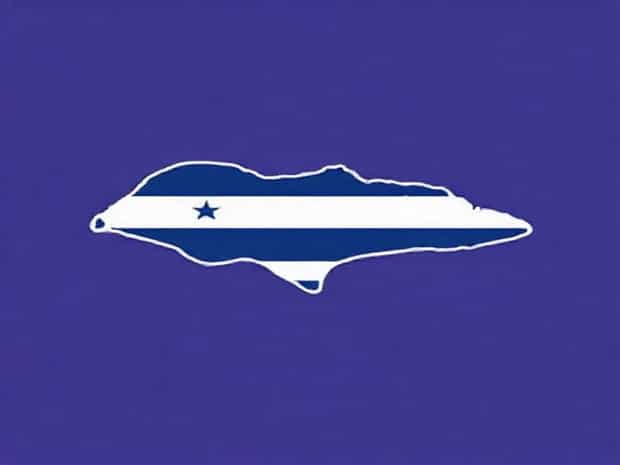
Is Honduras A Country?
Honduras is often a subject of curiosity for many people exploring Central America. While its existence as a nation is sometimes confused or questioned due to its relatively low international profile, Honduras is indeed a sovereign country with a rich history, diverse culture, and significant geographical features. Understanding Honduras requires looking beyond its mere presence on a map and appreciating its political, cultural, and economic dimensions. This topic will explore Honduras in depth, offering interesting insights and practical information about the country, its identity, and its significance in the region.
Geographical Overview of Honduras
Honduras is located in Central America, bordered by Guatemala to the west, El Salvador to the southwest, and Nicaragua to the southeast. It also has coastlines along both the Caribbean Sea to the north and the Pacific Ocean via the Gulf of Fonseca to the south. The country’s geographical position places it within the tropics, resulting in a warm climate throughout most of the year, with variations depending on altitude and proximity to the coast.
Topography and Natural Features
The topography of Honduras is largely mountainous, with interior highlands that form part of the Central American mountain range. These mountains are interspersed with fertile valleys that support agriculture, which is a crucial part of the country’s economy. Notable mountain ranges include the Sierra de Agalta and the Montaña de Celaque, the latter home to the highest peak, Cerro Las Minas, which rises to 2,870 meters. Honduras also has extensive river systems, such as the Ulúa, Patuca, and Aguán rivers, which are vital for irrigation, hydroelectric power, and transportation.
Political Status of Honduras
Honduras is officially known as the Republic of Honduras. It operates under a democratic constitutional framework, with a president serving as both the head of state and government. The country gained independence from Spain on September 15, 1821, and has since navigated periods of political instability, civil unrest, and economic development. Today, Honduras maintains a multi-party system, and its political structure includes an elected legislature and judiciary, all functioning under the country’s constitution.
Administrative Divisions
Honduras is divided into 18 departments, each governed by officials responsible for local administration. The capital city is Tegucigalpa, which serves as the political and administrative hub of the country. Other significant cities include San Pedro Sula, La Ceiba, and Choluteca, each contributing to Honduras’s economy and culture in unique ways.
Culture and Society
Honduras is home to a rich cultural heritage that reflects its indigenous roots, Spanish colonial history, and African influences. The population is ethnically diverse, including mestizo, indigenous, Afro-Honduran, and European-descended communities. Spanish is the official language, but several indigenous languages, such as Garifuna and Miskito, are also spoken, reflecting the country’s multicultural character.
Festivals and Traditions
The culture of Honduras is vibrant and celebrated through numerous festivals and traditions. Religious and national holidays, such as Semana Santa (Holy Week) and Independence Day, are observed with parades, music, and community gatherings. Traditional music, including punta and marimba, plays a significant role in Honduran celebrations, while local cuisine showcases ingredients like corn, beans, plantains, and seafood, highlighting the country’s diverse culinary heritage.
Economy and Industry
The economy of Honduras relies on several key sectors, including agriculture, manufacturing, and services. Agriculture remains vital, with crops such as coffee, bananas, and palm oil being significant exports. Honduras also has a growing manufacturing sector, producing textiles, clothing, and food products for both domestic consumption and international markets. Tourism is increasingly important, with travelers drawn to the country’s natural beauty, archaeological sites, and coastal resorts.
Challenges and Development
Despite its resources and cultural richness, Honduras faces several economic and social challenges. Poverty, inequality, and political instability have historically affected development. The government and international organizations continue to work on initiatives aimed at improving education, healthcare, and infrastructure, which are essential for long-term economic growth and social well-being.
Natural Attractions and Tourism
Honduras offers a wide range of attractions for visitors. The Bay Islands, including Roatán and Utila, are famous for scuba diving and pristine beaches. The Copán Ruins, a UNESCO World Heritage site, showcase ancient Mayan civilization and are a major cultural attraction. National parks and protected areas, such as Pico Bonito and Cusuco, provide opportunities for hiking, bird watching, and ecotourism. Honduras’s natural beauty and historical significance make it an appealing destination for travelers seeking adventure and cultural immersion.
Climate and Outdoor Activities
The tropical climate of Honduras allows for year-round outdoor activities. Coastal areas are perfect for water sports like snorkeling and sailing, while the mountainous regions offer hiking and eco-lodges for nature enthusiasts. The diversity in climate and terrain ensures that tourists can experience everything from warm beaches to cool highland forests, all within a single country.
International Recognition
Honduras is widely recognized as a sovereign country by the international community. It is a member of the United Nations, the Organization of American States, and the Central American Integration System. The country maintains diplomatic relations with most nations, participates in international treaties, and contributes to regional cooperation on issues such as trade, security, and environmental protection.
Honduras on the World Map
Geographically and politically, Honduras is clearly distinct from its neighboring countries. Its borders, governance, and international engagements confirm its status as an independent nation. Understanding Honduras’s identity as a country requires recognizing both its physical presence on the map of Central America and its role in regional and global affairs.
In summary, Honduras is indeed a country with a unique identity, geographical diversity, and rich cultural heritage. From its mountains and rivers to its cities and indigenous traditions, the nation offers a multifaceted experience for both residents and visitors. Recognized internationally as a sovereign state, Honduras continues to develop its economy, preserve its natural beauty, and celebrate its vibrant culture. By exploring its landscapes, understanding its history, and appreciating its societal contributions, one can gain a comprehensive view of why Honduras is not just a location on a map, but a country with its own identity, significance, and global presence.