Is Hardie Board Siding?
Choosing the right siding for a home is a major decision that affects both the aesthetic appeal and long-term durability of the property. Among the many options available, Hardie board siding has gained a strong reputation for its resilience, low maintenance, and attractive finish. Homeowners and builders alike often wonder, Is Hardie board siding the right choice? Understanding what Hardie board is, its composition, benefits, installation process, and potential drawbacks can help make an informed decision that enhances both the value and longevity of a home.
What is Hardie Board Siding?
Hardie board siding, often referred to as James Hardie siding, is a type of fiber cement siding made primarily from a combination of cement, sand, and cellulose fibers. This composition gives it remarkable strength and durability while allowing it to mimic the appearance of traditional wood siding. Unlike natural wood, Hardie board is engineered to resist common issues such as rot, warping, and insect damage, making it a popular choice for homeowners seeking a long-lasting siding solution.
Composition and Structure
The key ingredients of Hardie board siding are cement, sand, and cellulose fibers. Cement provides rigidity and strength, while sand contributes to its solid, dense texture. Cellulose fibers act as reinforcement, improving flexibility and impact resistance. This combination creates a siding material that is robust, fire-resistant, and capable of withstanding extreme weather conditions, including heavy rain, wind, and hail.
Varieties of Hardie Board Siding
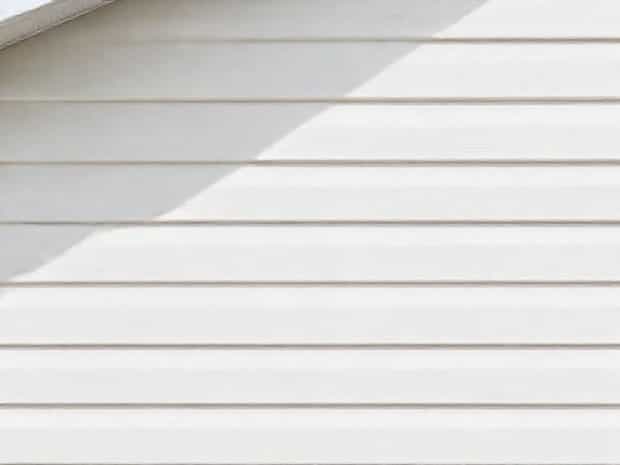
- Lap SidingHorizontal planks that resemble traditional wooden boards, offering a classic look suitable for various architectural styles.
- Shingle SidingDesigned to mimic cedar shakes, adding texture and dimension to exterior walls.
- Panel SidingLarge panels that provide a modern, streamlined appearance with fewer seams.
- Trim and AccentsSpecialty boards for corners, window frames, and decorative accents that complement the main siding.
Advantages of Hardie Board Siding
Hardie board siding offers multiple benefits that make it an appealing alternative to traditional wood, vinyl, and aluminum siding. Its unique combination of durability, aesthetics, and low maintenance has made it a favorite among homeowners and contractors alike.
Durability and Longevity
One of the standout features of Hardie board siding is its exceptional durability. Unlike wood, it is resistant to rot, decay, and termite damage. Its fiber cement composition allows it to withstand harsh weather conditions without warping or cracking. Homeowners can expect a long service life, often exceeding 30 to 50 years, making it a cost-effective choice in the long term.
Low Maintenance Requirements
Hardie board siding requires minimal maintenance compared to wood siding. It does not need frequent painting or sealing to maintain its appearance. Periodic cleaning with water and mild detergent is usually sufficient to keep the siding looking fresh and new. This low-maintenance feature appeals to busy homeowners who want the beauty of wood without the upkeep hassles.
Fire and Impact Resistance
Fiber cement siding is inherently fire-resistant, which adds a layer of safety to homes, especially in areas prone to wildfires. Additionally, it can withstand impacts from debris and hail better than vinyl or wood siding, reducing the risk of damage during storms.
Aesthetic Versatility
Hardie board siding comes in a variety of styles, colors, and textures, allowing homeowners to achieve virtually any desired exterior look. It can mimic the appearance of natural wood, cedar shakes, or modern panels, making it suitable for both traditional and contemporary architectural designs. Pre-painted options also simplify installation and reduce the need for additional finishing work.
Installation Considerations
Installing Hardie board siding requires precision and proper tools, as it is heavier and denser than vinyl or wood siding. While some experienced DIYers may attempt installation, professional installation is often recommended to ensure optimal performance and to maintain warranty coverage.
Preparation and Cutting
Proper preparation includes measuring walls, planning seams, and ensuring that surfaces are clean and dry. Cutting fiber cement requires specialized tools, such as a circular saw with a carbide-tipped blade, to prevent chipping and dust generation. Adequate safety measures, including masks and eye protection, are essential due to the fine silica dust produced during cutting.
Fastening and Sealing
Hardie board siding is typically fastened using corrosion-resistant nails or screws, with careful attention to spacing and alignment. Proper sealing around windows, doors, and corners is crucial to prevent water infiltration, which can compromise the siding’s performance and longevity. Flashing and house wrap should be installed underneath to provide additional protection against moisture.
Potential Drawbacks
While Hardie board siding offers numerous advantages, it also has some limitations that homeowners should consider before making a decision.
Cost
Hardie board siding is generally more expensive than vinyl or aluminum siding, both in terms of material and installation costs. However, its long lifespan and low maintenance requirements can offset the initial investment over time.
Weight and Installation Complexity
Its heavy weight and dense composition make it more difficult to handle and install than lighter siding options. Professional installation is often recommended, which can add to the overall project cost. Improper installation may lead to moisture issues or uneven appearance.
Periodic Painting
Although it is low-maintenance, painted Hardie board siding may require repainting every 10-15 years depending on exposure to sunlight and weather conditions. Choosing pre-finished or factory-painted options can reduce this need.
Maintenance Tips
To maximize the lifespan and appearance of Hardie board siding, follow these simple maintenance practices
- Clean the siding annually with a garden hose or low-pressure washer.
- Inspect for cracks or damage and repair promptly to prevent water infiltration.
- Trim nearby plants or trees to avoid scratches or moisture retention against the siding.
- Repaint when necessary using high-quality exterior paint if the siding is painted.
Hardie board siding is a durable, versatile, and aesthetically appealing option for homeowners seeking long-lasting exterior protection. Its fiber cement composition provides resistance to rot, insects, and fire, while offering a wide range of styles and colors that can enhance any home’s curb appeal. Although installation requires care and professional assistance is often recommended, the long-term benefits, low maintenance requirements, and ability to withstand harsh weather make it a valuable investment. Understanding the characteristics, advantages, and limitations of Hardie board siding ensures homeowners can make an informed decision, achieving a beautiful and resilient exterior that will stand the test of time.