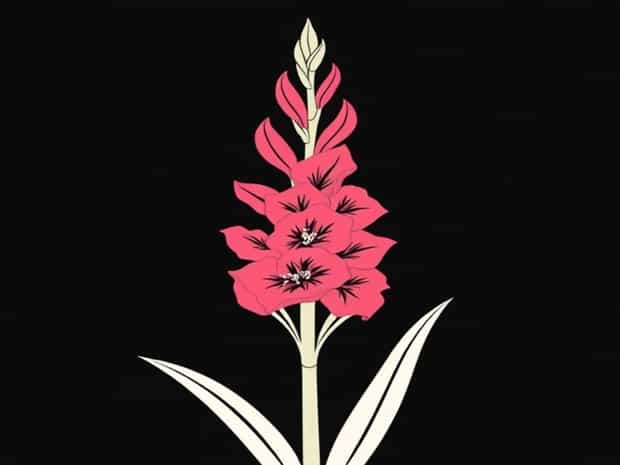
Is Gladiolus A Perennial
Gladiolus is a striking flowering plant that has captured the attention of gardeners and flower enthusiasts for centuries. Known for its tall spikes adorned with colorful blossoms, gladiolus adds a dramatic flair to gardens, floral arrangements, and landscapes. Gardeners often wonder about the lifecycle of gladiolus, particularly whether it is a perennial plant that returns year after year or requires replanting each season. Understanding its growth patterns, environmental needs, and proper care is essential for cultivating these vibrant flowers successfully and enjoying their beauty for many seasons.
Understanding Gladiolus
Gladiolus, commonly referred to as glads, belongs to the Iridaceae family, which includes irises and crocuses. Native to South Africa, Mediterranean regions, and parts of Europe, gladiolus is celebrated for its vertical flower spikes and a wide range of colors, including red, pink, white, yellow, and purple. Each spike can produce multiple blooms, often in a gradient of shades, creating a visually appealing display. Gladiolus is popularly used in cut flower arrangements because of its long stems, which can reach up to 4 feet in height in some varieties.
Is Gladiolus a Perennial?
Technically, gladiolus is a perennial plant, meaning that its bulbs, called corms, have the potential to live for multiple growing seasons. However, whether gladiolus behaves as a perennial depends largely on the climate and growing conditions. In warmer regions with mild winters, gladiolus corms can remain in the ground and sprout again each year, returning with vibrant blooms. In colder climates where the ground freezes during winter, gladiolus corms are at risk of damage and must be dug up, stored, and replanted the following spring.
Growth Cycle of Gladiolus
The lifecycle of gladiolus begins with the planting of corms, which act as storage organs for nutrients that support new growth. When planted in the spring, corms sprout leaves and eventually produce flower spikes during the summer months. After flowering, the plant begins to die back, sending nutrients back into the corm. This natural cycle allows the corm to survive underground and prepare for the next growing season. In perennial climates, corms may gradually multiply, producing offsets that lead to even more flowers in subsequent years.
Climate Considerations
Climate plays a critical role in determining whether gladiolus can function as a true perennial. In USDA Hardiness Zones 7 and above, where winters are mild and soil does not freeze deeply, gladiolus corms can remain in the ground year-round. In these conditions, the plant naturally re-emerges each spring without the need for replanting. However, in colder zones, including many areas in the northern United States and Europe, gladiolus corms cannot survive harsh winter temperatures. Gardeners in these regions must lift the corms in the fall, allow them to dry, and store them in a cool, dry location until the next planting season.
Proper Care for Gladiolus
To ensure that gladiolus thrives as a perennial in suitable climates, proper care is essential. Key aspects of care include
- Soil PreparationGladiolus prefers well-drained soil rich in organic matter. Adding compost or sand can improve drainage and fertility.
- SunlightThese plants flourish in full sun, requiring at least six hours of direct sunlight per day for optimal flowering.
- WateringRegular watering is necessary, particularly during dry periods, but overwatering should be avoided to prevent corm rot.
- FertilizationA balanced, slow-release fertilizer can support healthy growth and vibrant blooms. Fertilizing every few weeks during the growing season helps maximize flower production.
- StakingTall varieties often need staking to prevent flower spikes from bending or breaking in wind or heavy rain.
Lifting and Storing Corms
In regions with cold winters, gladiolus corms must be carefully lifted and stored to survive until the next growing season. After the foliage turns yellow and begins to die back, gardeners should gently dig up the corms, remove excess soil, and allow them to dry in a shaded, ventilated area. Once dried, corms can be stored in a cool, dry location, such as a basement or garage, in breathable containers like paper bags or mesh sacks. This storage method protects the corms from frost and excessive moisture, ensuring healthy plants for replanting in spring.
Replanting and Multiplying Corms
When spring arrives, gladiolus corms can be replanted to continue the perennial cycle. Planting depth typically ranges from 4 to 6 inches, with spacing of 6 to 8 inches between corms to allow sufficient airflow and room for growth. Over time, corms naturally produce offsets, smaller corms attached to the parent. These offsets can be separated and replanted to expand the garden or share with other gardeners, effectively multiplying the perennial population. Proper replanting techniques help ensure consistent flowering and maintain the health of the plants year after year.
Common Varieties and Flowering Patterns
Gladiolus comes in a variety of cultivars, each with distinct flower colors, spike heights, and blooming periods. Early-blooming varieties may flower in late spring or early summer, while later cultivars extend the flowering season into late summer or early fall. Some popular varieties include Peter Pears,’ Priscilla,’ and Black Beauty,’ which are known for their unique color patterns and striking presence. Understanding the specific flowering patterns of each variety helps gardeners plan successive plantings to achieve continuous blooms throughout the growing season.
In summary, gladiolus is a perennial plant with the potential to return year after year under the right conditions. Its beautiful flower spikes, diverse colors, and ability to produce offsets make it a favorite among gardeners seeking long-lasting visual impact. Climate, proper care, and corm management are key factors in determining whether gladiolus will behave as a true perennial. With attentive care, whether in warm or cold regions, gladiolus can continue to brighten gardens and floral arrangements for many seasons, making it a valuable addition to any landscape or flower collection.