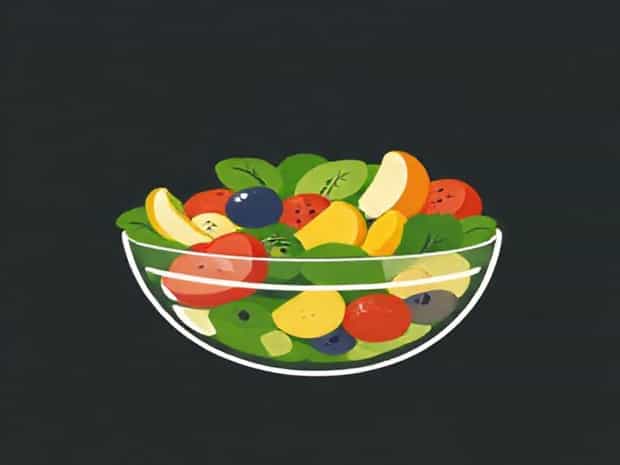
Is Fruit Salad A Salad
Fruit salad is a dish that many people enjoy, especially during summer or as a refreshing side for meals, yet it often sparks debate about whether it can truly be classified as a salad. Traditional salads typically consist of vegetables, greens, or a combination of ingredients dressed with a sauce or vinaigrette. Fruit salad, on the other hand, focuses on an assortment of fresh fruits, sometimes accompanied by yogurt, honey, or syrup. Exploring its origins, ingredients, and cultural interpretations can help clarify whether fruit salad fits within the broader concept of a salad.
The Origins of Fruit Salad
Fruit salad has a long history that spans multiple cultures. The concept of combining different fruits into a single dish dates back to ancient civilizations where fruits were mixed and served as a simple refreshment. In Western cuisine, fruit salads gained popularity in the 19th century as cookbooks began to feature recipes that highlighted the combination of seasonal fruits. Over time, variations emerged, incorporating creams, nuts, and other flavorings, further expanding the versatility of fruit salad.
Common Ingredients
Fruit salad can include a wide range of fruits, depending on seasonality, regional availability, and personal preference. Common ingredients include
- Apples, pears, and grapes
- Citrus fruits such as oranges, tangerines, or grapefruit
- Melons including watermelon, cantaloupe, or honeydew
- Berries like strawberries, blueberries, and raspberries
- Tropical fruits such as pineapple, mango, and kiwi
- Optional dressings like yogurt, honey, or lemon juice
- Nuts or seeds for added texture and flavor
The preparation often involves cutting the fruits into bite-sized pieces and mixing them in a bowl. Some recipes call for chilling the salad for a few hours to allow flavors to blend, while others are served immediately for a fresh, crisp experience.
Defining a Salad
To determine whether fruit salad is a true salad, it is important to consider what defines a salad in culinary terms. Generally, a salad consists of raw or cooked ingredients, typically vegetables, fruits, grains, or proteins, mixed together and often dressed with a sauce or dressing. Salads can be served as appetizers, side dishes, or even main courses. The key elements are a mixture of components and a complementary dressing that enhances flavor.
Fruit Salad vs. Vegetable Salads
Vegetable-based salads, such as Caesar salad or garden salad, rely on leafy greens, vegetables, and sometimes proteins like chicken or cheese, with dressings like vinaigrette or creamy sauces. Fruit salads diverge from this model in several ways
- The primary ingredients are sweet fruits rather than vegetables.
- Dressings, if used, tend to be sweeter or more neutral, such as yogurt or honey, rather than tangy or savory.
- Fruit salad is often served as a dessert or snack, contrasting with salads that accompany main meals.
Despite these differences, fruit salad maintains the essential concept of combining multiple ingredients to create a cohesive dish, aligning with the general definition of a salad.
Variations and Cultural Interpretations
Across the world, fruit salads vary significantly, reflecting local tastes, seasonal fruits, and culinary traditions. Some notable variations include
- American Fruit SaladTypically includes a mix of fresh fruits, sometimes with marshmallows or whipped cream.
- European Fruit SaladOften emphasizes fresh seasonal fruits and may include a splash of fruit juice or liqueur for flavor.
- Asian Fruit SaladFrequently incorporates tropical fruits and may use sweetened condensed milk, yogurt, or coconut milk as a dressing.
- Holiday Fruit SaladsSpecial versions for holidays can include candied fruits, nuts, or a syrup glaze for festive presentation.
These variations demonstrate that fruit salad is not only versatile but also culturally significant, adapting to different culinary practices while maintaining its core concept of combining fruits.
Serving and Presentation
Fruit salad can be presented in many ways, ranging from simple bowls of chopped fruits to elaborate layered parfaits. Presentation often enhances the visual appeal, making it a popular choice for parties, brunches, and buffets. Garnishes such as mint leaves, citrus zest, or a drizzle of honey can elevate the dish. Serving fruit salad in individual cups or bowls has also become a common practice, particularly in catering and restaurant settings.
Health Benefits
In addition to being visually appealing and flavorful, fruit salad offers numerous health benefits. It is naturally rich in vitamins, minerals, and antioxidants, promoting overall wellness. High fiber content aids digestion, while the natural sugars provide a healthier alternative to processed desserts. Incorporating a variety of fruits ensures a balance of nutrients, making fruit salad not just a tasty treat but also a beneficial addition to a balanced diet.
Debate Is Fruit Salad a True Salad?
The debate over whether fruit salad qualifies as a salad often hinges on personal or cultural definitions. Critics argue that because fruit salad is typically sweet and sometimes served as a dessert, it does not fit the traditional salad category. Supporters contend that the method of combining multiple ingredients, often with a dressing, aligns perfectly with the broader definition of a salad. Culinary authorities and cookbooks increasingly recognize fruit salad as a legitimate type of salad, emphasizing that the term salad” encompasses a wide range of dishes beyond just leafy greens and vegetables.
Fruit salad, with its vibrant colors, refreshing flavors, and versatile preparation, occupies a unique place in the culinary world. While it diverges from the vegetable-based salads commonly associated with the term, it shares the defining characteristics of a salad a combination of multiple ingredients and a complementary dressing or flavor enhancer. Whether served as a dessert, snack, or side dish, fruit salad exemplifies the adaptability of culinary definitions and the creativity of combining ingredients. Ultimately, fruit salad can be considered a true salad, celebrating both taste and nutrition while offering endless possibilities for customization and cultural expression.