Is Flaming Gorge In Utah
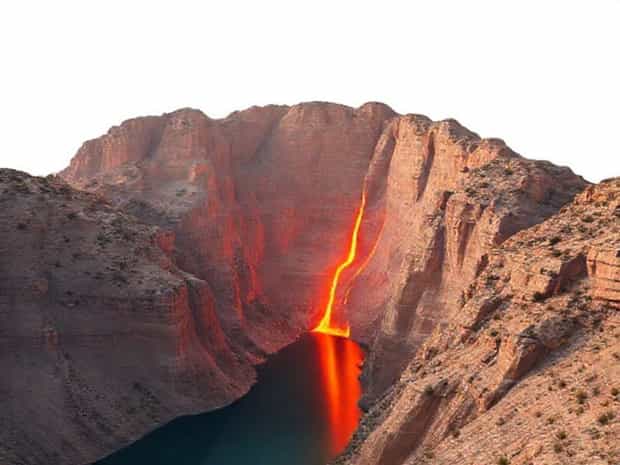
Flaming Gorge is a striking natural feature located in the northeastern corner of Utah, extending partially into southwestern Wyoming. Known for its dramatic red rock cliffs, deep canyon walls, and the expansive Flaming Gorge Reservoir, this area attracts outdoor enthusiasts, nature lovers, and photographers from across the United States and beyond. The gorge was carved over millions of years by the Green River, resulting in a landscape of rugged beauty and geological significance. With a combination of natural scenery, recreational opportunities, and historical importance, Flaming Gorge offers a unique glimpse into the geological forces that shaped the American West.
Geographical Location of Flaming Gorge
Flaming Gorge is situated primarily in Utah’s Daggett County, with its northern reaches extending into Sweetwater County, Wyoming. The gorge follows the Green River, which eventually joins the Colorado River system. The location of Flaming Gorge makes it an accessible destination for travelers from nearby cities such as Vernal, Utah, and Rock Springs, Wyoming. Its placement within the Uinta Mountains region adds to its scenic appeal, as the surrounding area includes forests, high plateaus, and rugged canyons.
Formation and Geology
The formation of Flaming Gorge is a result of extensive geological activity over hundreds of millions of years. Sedimentary rock layers, primarily sandstone and limestone, were laid down during the Paleozoic and Mesozoic eras. Over time, the Green River carved through these layers, creating steep cliffs and dramatic canyon walls. Volcanic activity in the region also contributed to the unique rock formations, giving the gorge its characteristic reddish hue. Today, geologists study Flaming Gorge to understand sedimentary processes, erosion patterns, and the impact of tectonic movements on the landscape.
Flaming Gorge Reservoir
The construction of the Flaming Gorge Dam in the 1960s led to the creation of the Flaming Gorge Reservoir, which covers approximately 42,000 acres. The reservoir stretches over 91 miles and serves multiple purposes, including hydroelectric power generation, flood control, irrigation, and recreational opportunities. Its deep, clear waters are surrounded by towering canyon walls, making it a scenic destination for boating, fishing, and wildlife observation.
Recreational Activities
Flaming Gorge is well-known as a recreational hotspot. Visitors can engage in a variety of outdoor activities, including
- Boating and kayaking on the reservoir and Green River
- Fishing for species such as trout, bass, and kokanee salmon
- Hiking and camping in designated wilderness areas
- Rock climbing on the rugged canyon walls
- Wildlife viewing, including bald eagles, mule deer, and bighorn sheep
Hiking Trails and Scenic Overlooks
The Flaming Gorge National Recreation Area features numerous hiking trails and scenic overlooks. Trails vary in difficulty, from short walks that provide panoramic views of the reservoir to challenging routes that descend into the canyon itself. Popular viewpoints such as Red Canyon Overlook and Sheep Creek Canyon provide excellent opportunities for photography, bird watching, and appreciating the gorge’s vast scale. The combination of natural beauty and accessible trails makes Flaming Gorge a year-round destination for hikers and outdoor enthusiasts.
Ecological Significance
Flaming Gorge supports diverse ecosystems both in the water and on land. The reservoir and Green River provide habitat for various fish species, making it a prime location for sport fishing. Surrounding forests and canyon walls host populations of birds, mammals, and reptiles. The area also serves as a critical stopover for migratory birds, particularly raptors such as bald eagles. Conservation efforts focus on preserving the natural habitat while accommodating recreational use, ensuring that Flaming Gorge remains a balanced ecosystem for future generations.
Historical and Cultural Importance
Flaming Gorge holds historical significance for both Native American tribes and early settlers. Indigenous peoples utilized the river and surrounding landscapes for sustenance, travel, and cultural practices. Archaeological sites in the region reveal evidence of ancient habitation, including tools, rock art, and ceremonial locations. Later, European explorers and settlers documented the area for its dramatic scenery and abundant natural resources. The construction of the Flaming Gorge Dam also marked a significant engineering achievement in the mid-20th century, shaping the modern landscape and economy of the region.
Visitor Information and Access
Flaming Gorge is accessible by road and is well-equipped for tourism. Major highways connect the area to nearby towns, and facilities such as campgrounds, visitor centers, and boat ramps enhance the visitor experience. Seasonal variations in weather affect accessibility, with winter snow and spring runoff influencing road conditions and recreational opportunities. Summer and fall are the most popular times to visit, offering pleasant weather and optimal conditions for hiking, boating, and sightseeing.
Travel Tips for Flaming Gorge
- Plan ahead for accommodations, especially during peak summer months.
- Carry appropriate gear for hiking, boating, and wildlife observation.
- Check weather conditions, as sudden storms can affect canyon safety.
- Respect local wildlife and adhere to conservation guidelines.
- Explore both the reservoir and surrounding trails for a full experience of the gorge.
Flaming Gorge in Utah is much more than a simple canyon; it is a remarkable combination of natural beauty, geological significance, and recreational opportunity. Its dramatic cliffs, deep reservoir, and surrounding wilderness make it a destination for outdoor enthusiasts, photographers, and nature lovers. The gorge’s geological history and ecological diversity provide insight into the forces that shaped the region, while the Flaming Gorge Dam has transformed the landscape and offered valuable resources to the surrounding communities. Whether visiting for fishing, hiking, boating, or simply enjoying the breathtaking views, Flaming Gorge stands as a testament to the power and beauty of natural landscapes in the American West. With careful management and conservation, this iconic destination will continue to provide educational, recreational, and ecological value for generations to come.