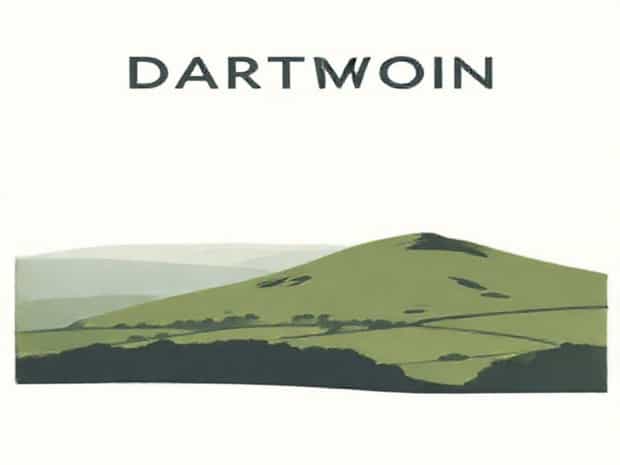
Is Dartmoor A National Park
Dartmoor is one of the most fascinating landscapes in England, known for its rugged beauty, open moorland, granite tors, and deep cultural history. Many people wonder, is Dartmoor a national park? The answer is yes, Dartmoor is officially recognized as a national park, offering both natural and historical significance. Located in Devon, this unique area attracts walkers, cyclists, history enthusiasts, and nature lovers. Understanding why Dartmoor has national park status requires exploring its geography, wildlife, history, and cultural importance, as well as the role it plays in outdoor recreation and conservation.
What Makes Dartmoor a National Park
Dartmoor was designated a national park in 1951, making it one of the earliest national parks established in the United Kingdom. The main reason for this designation lies in its remarkable landscapes, unique habitats, and cultural heritage. The national park status ensures that the land is protected, while also being accessible to the public for recreation and education. Unlike some other regions, Dartmoor balances conservation with sustainable human activity, including farming and small communities that continue to thrive within its borders.
Geography and Landscape of Dartmoor
The geography of Dartmoor is what gives it such a distinct identity. Covering an area of around 954 square kilometers, the park features rolling moorlands, dramatic granite tors, fast-flowing rivers, and lush valleys. The granite formations, such as Haytor and Hound Tor, are iconic landmarks that define the region’s skyline. Dartmoor is also famous for its bogs, heather-covered hills, and ancient woodland. This variety of landscapes provides habitats for countless plant and animal species, making it a haven for biodiversity.
Granite Tors
Granite tors are one of the most recognizable features of Dartmoor. These natural rock outcrops are formed through geological processes over millions of years. They not only attract climbers and photographers but also serve as historical markers for local folklore and legends.
Rivers and Valleys
The rivers that cut through Dartmoor, such as the River Dart, Teign, and Tavy, contribute to its scenic beauty and provide essential habitats for wildlife. Valleys lined with woodlands offer shelter for rare species and create breathtaking views for visitors.
Wildlife in Dartmoor National Park
Dartmoor is home to an impressive range of wildlife, which is one reason it qualifies as a national park. The combination of moorland, wetlands, and forests supports diverse species of plants and animals. The famous Dartmoor ponies are perhaps the most iconic inhabitants, roaming freely across the moors. These hardy ponies have adapted to the challenging environment and are a symbol of the region.
- Dartmoor PoniesSmall, sturdy, and resilient, they are essential for grazing and maintaining the moorland ecosystem.
- BirdsDartmoor is home to skylarks, cuckoos, buzzards, and even rare species such as the ring ouzel.
- MammalsOtters, bats, and deer can be spotted in various parts of the park.
- FloraThe moors bloom with heather, gorse, and unique mosses, while valleys host ancient oaks and lichens.
History and Archaeology
One of the most fascinating aspects of Dartmoor is its deep historical and archaeological significance. The park is dotted with prehistoric remains, stone circles, hut circles, and burial mounds, some dating back over 4,000 years. These sites reveal how humans have lived and adapted to the moorland environment for millennia.
Prehistoric Sites
Dartmoor is often described as an open-air museum due to its abundance of ancient remains. Standing stones, cairns, and stone rows can be found across the landscape, providing a window into early human civilization.
Medieval History
The medieval period also left its mark on Dartmoor. From abandoned farmsteads to ancient churches, the landscape carries reminders of past communities that once thrived here. The famous stannary towns highlight Dartmoor’s history of tin mining, which was a significant industry during the Middle Ages.
Outdoor Recreation in Dartmoor
Dartmoor’s status as a national park also emphasizes its role in outdoor recreation. Visitors are drawn to the area for its wide range of activities, from walking and cycling to horse riding and kayaking. The open access policy allows the public to enjoy vast areas of the moor freely, making it one of the best places in England for adventure and exploration.
Walking and Hiking
Dartmoor offers numerous walking routes, from short scenic strolls to challenging treks across open moorland. Popular walks include the climb up Haytor, the Two Moors Way, and the trails along the River Dart. The varied terrain makes hiking an engaging experience for both beginners and seasoned walkers.
Cycling and Horse Riding
The park provides designated bridleways and cycle paths, giving cyclists and horse riders the opportunity to explore its landscapes at a different pace. The Granite Way is one of the most well-known cycling routes.
Wild Camping
One unique feature of Dartmoor is its tradition of wild camping. While there are restrictions in certain areas, the ability to camp on the moorland adds to the sense of adventure and freedom that the park provides. This is a rare privilege compared to other national parks in England.
Cultural Importance
Dartmoor has also inspired countless artists, writers, and filmmakers. Its mysterious landscapes and legends have been woven into English literature, most famously in Arthur Conan Doyle’s The Hound of the Baskervilles. Local folklore about pixies, ghosts, and haunted tors continues to capture the imagination of visitors. This cultural connection reinforces Dartmoor’s importance as more than just a natural reserve it is also a place of storytelling and tradition.
Conservation and Management
Being a national park means that Dartmoor requires careful management to balance human activity with conservation. The Dartmoor National Park Authority oversees land use, farming practices, tourism, and conservation projects. Issues such as overgrazing, climate change, and erosion are challenges that require ongoing attention. Sustainable farming and community involvement play a key role in protecting Dartmoor’s future.
Why Dartmoor’s National Park Status Matters
The national park status of Dartmoor ensures its long-term protection. It provides opportunities for education, scientific research, and sustainable tourism. For local communities, the designation brings pride and economic benefits through tourism. For visitors, it guarantees access to a landscape that is both wild and welcoming. Dartmoor represents a place where nature, history, and culture meet, making its national park status both necessary and deserved.
So, is Dartmoor a national park? Absolutely. It has held this designation for more than seventy years, and its landscapes, wildlife, and cultural history make it one of the most treasured areas in England. Dartmoor offers something unique a mixture of raw natural beauty, ancient history, and modern recreation opportunities. Whether you are hiking to a granite tor, exploring prehistoric sites, or simply enjoying the sight of ponies grazing on the moor, Dartmoor’s national park status ensures that this remarkable region will remain protected and accessible for generations to come.