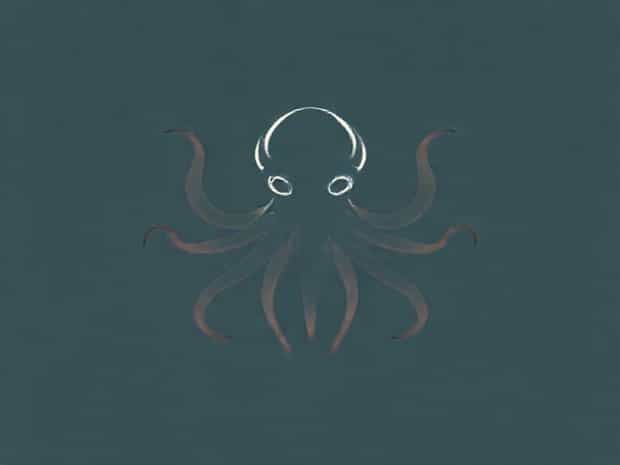
Is Cthulhu A Cuttlefish
The figure of Cthulhu has captured the imagination of readers, artists, and fans of cosmic horror for decades, largely due to the works of H.P. Lovecraft. One of the most frequently debated questions about this mythical entity is whether Cthulhu can be accurately described as a cuttlefish. This question arises from Cthulhu’s distinctive appearance, particularly its tentacled face, which evokes cephalopods such as squids, octopuses, and cuttlefish. Understanding Cthulhu’s design, origins, and symbolism helps clarify why this comparison is made and what it reveals about Lovecraftian horror, blending elements of marine biology with cosmic fear and imaginative fiction.
The Origins of Cthulhu
Cthulhu first appeared in H.P. Lovecraft’s short story The Call of Cthulhu, published in 1928. Described as a cosmic entity, Cthulhu lies dormant beneath the Pacific Ocean in the sunken city of R’lyeh, waiting for the right time to awaken. Lovecraft provided detailed descriptions emphasizing both horror and alien qualities immense size, wings, claws, and a face covered in tentacles. While Lovecraft drew inspiration from marine creatures, he intended Cthulhu to be fundamentally alien, beyond natural classification. This combination of familiar and uncanny traits is central to Cthulhu’s terrifying appeal.
Cthulhu’s Physical Features
The most iconic feature of Cthulhu is its tentacled face, often compared to cephalopods. Additional characteristics include a scaly or rubbery body, bat-like wings, and massive claws. The size and proportions of Cthulhu are exaggerated, emphasizing its incomprehensible nature. While these features resemble a cuttlefish or other marine mollusks, Cthulhu’s anatomy is intentionally hybridized and exaggerated, combining traits of various sea creatures to evoke unease and a sense of the unknown.
Why the Cuttlefish Comparison Arises
Cuttlefish, as cephalopods, share several visual characteristics with depictions of Cthulhu. Their tentacles, bulbous heads, and undulating movements resemble the alien qualities described by Lovecraft. Additionally, cuttlefish possess eyes that appear almost human-like and a body texture that can seem both soft and armored, which mirrors the eeriness Lovecraft attributed to Cthulhu. Fans and scholars often point to these similarities when discussing Cthulhu’s appearance, although it is crucial to distinguish between literal classification and metaphorical inspiration.
Cephalopod Influences in Lovecraft’s Work
Lovecraft was fascinated by the natural world and often incorporated marine imagery into his stories. He referenced deep-sea creatures, including squids and octopuses, to convey the alien, unknown, and incomprehensible aspects of his mythos. The resemblance of Cthulhu to cephalopods such as cuttlefish may be an intentional nod to the ocean’s mysterious and predatory nature, reinforcing themes of fear, insignificance, and cosmic indifference. The connection highlights Lovecraft’s skill in merging real-world inspiration with fantastical horror.
Is Cthulhu Literally a Cuttlefish?
Despite superficial similarities, Cthulhu is not literally a cuttlefish. Biologically, cuttlefish are mollusks with specific anatomy, sensory systems, and behaviors adapted for marine life. Cthulhu, by contrast, is a fictional cosmic entity that defies natural laws. Its size, intelligence, and supernatural abilities place it firmly in the realm of speculative fiction rather than zoology. The term cuttlefish is useful metaphorically to describe its tentacled, alien appearance but does not accurately classify Cthulhu within the animal kingdom.
Hybrid Features
Cthulhu’s design incorporates elements of various creatures, including reptiles, insects, and mammals, in addition to cephalopods. The wings, claws, and immense body size contribute to its hybrid, otherworldly form. Lovecraft intentionally avoided precise classification, emphasizing that Cthulhu is beyond human comprehension. This deliberate ambiguity is a hallmark of cosmic horror, as it forces readers to confront entities that cannot be fully understood or categorized.
Symbolism of the Cuttlefish Comparison
Comparing Cthulhu to a cuttlefish is symbolic as much as descriptive. The ocean, home to cuttlefish and other mysterious creatures, represents the unknown, hidden dangers, and the vastness of existence. By linking Cthulhu to cephalopods, Lovecraft evokes the deep-sea horror that many readers instinctively fear the alien, the massive, and the incomprehensible. Tentacles, a prominent feature, symbolize both reach and control, reinforcing Cthulhu’s power to influence human minds and dreams from beneath the ocean depths.
Psychological Impact
The cuttlefish comparison also enhances the psychological impact of Cthulhu. Humans are familiar with marine creatures, yet deep-sea life often appears strange and unsettling. By blending recognizable features with unnatural scale and intelligence, Lovecraft creates a creature that is both relatable and terrifying. This duality strengthens the horror, as readers can recognize certain traits while realizing they belong to something completely alien.
Popular Culture and Visual Representations
Modern depictions of Cthulhu in art, games, and media often emphasize the cephalopod-like features, reinforcing the cuttlefish association. Illustrations commonly exaggerate tentacles, suction cups, and alien facial features, highlighting both the resemblance to known marine life and the fantastical horror elements. These visual choices demonstrate the lasting influence of the cuttlefish metaphor in shaping public perception of Cthulhu while acknowledging its fictional and cosmic nature.
Merchandise and Iconography
- Miniatures and figurines often focus on tentacles and bulbous heads, emphasizing marine-inspired features.
- Video games and tabletop RPGs portray Cthulhu with tentacle-like appendages, drawing on cuttlefish imagery.
- Books and posters frequently describe or illustrate Cthulhu with cephalopod traits to evoke familiarity and horror simultaneously.
While Cthulhu is not literally a cuttlefish, the comparison provides valuable insight into its design, symbolism, and impact. Lovecraft’s blending of cephalopod-like features with supernatural and cosmic traits creates a creature that is simultaneously recognizable and utterly alien. The tentacles, bulbous head, and deep-sea associations evoke fear and fascination, reinforcing the themes of cosmic horror central to the Cthulhu Mythos. Ultimately, the cuttlefish comparison serves as a metaphorical tool, helping readers and artists visualize an entity that exists beyond natural classification, emphasizing its role as a terrifying, incomprehensible force from the depths of imagination and the unknown.