Is Cross Stitching Hard
Cross stitching is a craft that has captured the hearts of hobbyists for centuries, blending creativity, patience, and precision. For beginners, the question often arises is cross stitching hard? The answer varies depending on a person’s prior experience with needlework, attention to detail, and willingness to practice. While it may appear intimidating at first, understanding the basic techniques, tools, and strategies can make cross stitching a highly rewarding and accessible hobby for anyone willing to invest time and patience.
Understanding the Basics of Cross Stitching
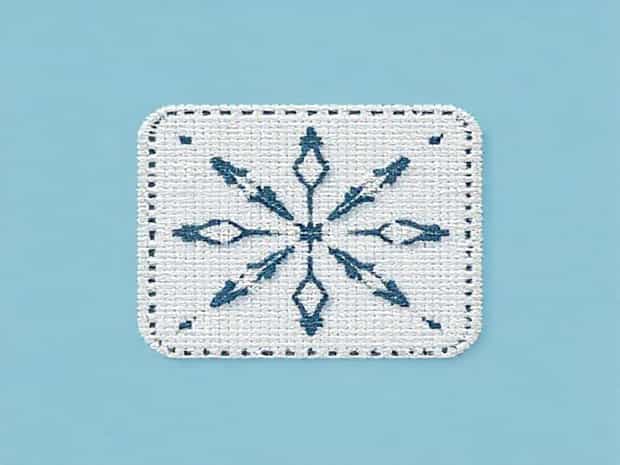
At its core, cross stitching involves creating X-shaped stitches on a fabric grid, usually called Aida cloth. The fabric’s even weave makes it easier to count squares and place stitches accurately. Patterns, which range from simple shapes to intricate designs, guide the stitcher in choosing thread colors and stitch placement. The key tools include a needle, embroidery floss, and an embroidery hoop to keep the fabric taut. By mastering these foundational elements, beginners can approach cross stitching with confidence and clarity.
Essential Tools for Beginners
Having the right tools can significantly reduce the difficulty of cross stitching
- Aida FabricAvailable in various counts, this fabric has evenly spaced holes that make it easier to follow patterns.
- Embroidery FlossThreads come in multiple colors and can be separated into strands to adjust thickness.
- NeedlesBlunt-tipped needles reduce the risk of splitting threads while stitching.
- Embroidery HoopKeeps fabric taut for more accurate stitches and less strain on the hands.
- Pattern ChartGuides stitch placement and color choices, serving as a roadmap for the project.
Learning Curve and Patience
One of the main challenges beginners face is counting stitches and following patterns accurately. Missing or miscounting a stitch can affect the entire design, which can feel discouraging. However, cross stitching is a skill that improves with practice. Starting with smaller, simpler projects allows beginners to build confidence before tackling more complex patterns. Patience is crucial, as the process can be slow initially, but the gradual progress provides a sense of accomplishment that keeps many stitchers motivated.
Tips to Make Cross Stitching Easier
There are several strategies to make cross stitching less intimidating and more enjoyable
- Start with small, beginner-friendly patterns to build confidence.
- Use high-contrast colors to easily distinguish thread on the fabric.
- Work in good lighting to reduce eye strain and improve stitch accuracy.
- Break projects into manageable sections to avoid feeling overwhelmed.
- Keep organized tools and threads to streamline the stitching process.
Common Mistakes and How to Avoid Them
Even experienced cross stitchers make mistakes, but understanding common pitfalls can make learning easier. Counting errors, using the wrong thread color, or pulling stitches too tightly are frequent issues. To prevent these, many stitchers recommend marking completed sections on the pattern, double-checking colors before stitching, and maintaining consistent tension. Mistakes can often be corrected without ruining the entire project, reinforcing that learning from errors is part of the process.
The Role of Creativity and Style
While following patterns is standard, cross stitching also allows for creative expression. Experienced stitchers often modify designs, experiment with color combinations, or incorporate different textures to personalize projects. This creative freedom can make the hobby more engaging and reduce the sense of difficulty, as stitchers focus on enjoyment rather than perfection. Over time, developing a personal style can make cross stitching feel more like an art form than a technical task.
Mental and Physical Benefits
Cross stitching is not only about creating beautiful designs; it also offers several mental and physical benefits that can make the practice easier and more rewarding. The repetitive motions of stitching can induce a meditative state, reducing stress and promoting mindfulness. Additionally, the focus required can improve concentration and patience. On the physical side, consistent practice can enhance hand-eye coordination and fine motor skills, making each subsequent project easier to complete with precision and speed.
Choosing the Right Project
Choosing a project that matches skill level is critical for beginners asking if cross stitching is hard. Simple patterns with fewer colors, smaller designs, and clear grids are ideal starting points. Gradually moving to more intricate projects allows stitchers to build skill and confidence without feeling frustrated. Seasonal patterns, themed designs, or small gifts are excellent ways to practice while creating tangible results that provide motivation and satisfaction.
Community and Support
Engaging with the cross stitching community can also ease the learning curve. Online forums, social media groups, and local craft clubs offer advice, pattern sharing, and encouragement. Many beginners find that receiving feedback and tips from more experienced stitchers accelerates their learning and reduces feelings of frustration. Tutorials and video demonstrations can also clarify difficult techniques, making cross stitching more approachable for all ages.
Final Thoughts
So, is cross stitching hard? The answer depends largely on perspective. While it requires patience, attention to detail, and practice, it is far from impossible. By starting with manageable projects, using proper tools, learning from mistakes, and seeking support from the stitching community, beginners can find cross stitching both accessible and rewarding. Over time, what initially seemed difficult can become second nature, transforming the craft into a relaxing, creative, and fulfilling hobby. With consistent practice and a positive mindset, anyone can master cross stitching and enjoy the satisfaction of bringing beautiful designs to life stitch by stitch.