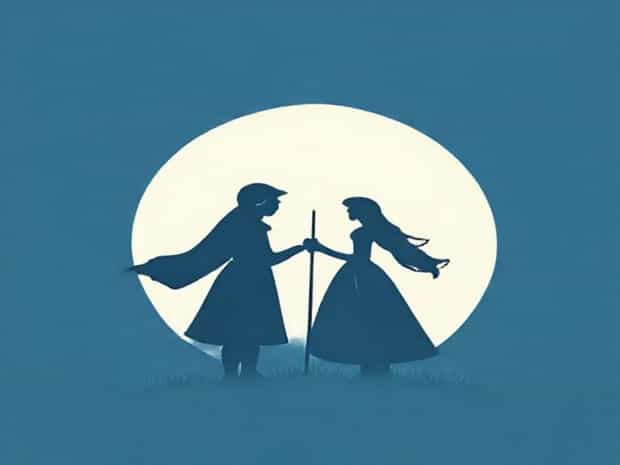
Is Cinderella Brothers Grimm
The story of Cinderella is one of the most beloved and widely recognized fairy tales in the world, captivating audiences for centuries with its themes of kindness, perseverance, and magical transformation. Many people associate Cinderella with the Brothers Grimm, who are famous for collecting and publishing German folk tales in the 19th century. However, questions often arise regarding the true origins of Cinderella and whether the version most people know today is directly from the Grimm brothers or influenced by other sources. This topic delves into the history, variations, and cultural impact of Cinderella, shedding light on its connection to the Brothers Grimm.
The Brothers Grimm and Fairy Tales
Jacob and Wilhelm Grimm, commonly referred to as the Brothers Grimm, were German scholars and linguists who gained fame for compiling and publishing a collection of folk tales in the early 1800s. Their collection, known as Grimm’s Fairy Tales” or “Children’s and Household Tales,” included stories like “Hansel and Gretel,” “Snow White,” and “Rumpelstiltskin.” The Grimms aimed to preserve German folklore and oral storytelling traditions, documenting tales that had been passed down through generations.
While many of the Grimm stories were originally intended for adults and contained darker themes, over time they became adapted and sanitized for children, resulting in the family-friendly versions commonly read today. The Grimms’ approach combined meticulous research, literary editing, and cultural preservation, solidifying their reputation as central figures in the world of fairy tales.
Cinderella and Its Origins
The story of Cinderella predates the Brothers Grimm and exists in multiple cultures across the globe. One of the earliest known versions is the ancient Greek story of Rhodopis, a slave girl who marries the king of Egypt, recorded by the historian Strabo in the first century BCE. Other early iterations include a Chinese version from the 9th century, featuring a young woman named Ye Xian who receives magical assistance to attend a royal festival.
The Cinderella tale, characterized by a kind heroine, a magical helper, a lost slipper, and eventual triumph over adversity, has evolved over centuries. The narrative resonates universally, which is why many cultures have their own variations, making it one of the most enduring fairy tales in history.
The Grimm Brothers’ Version Aschenputtel
The Brothers Grimm included their version of Cinderella in the first edition of their fairy tale collection, titled “Aschenputtel,” which was published in 1812. Aschenputtel differs from other versions in several notable ways
- It emphasizes the darker aspects of the story, including the cruelty of the stepsisters who mutilate their feet to fit the glass slipper.
- The magical assistance comes from a tree on the mother’s grave, granting wishes to Aschenputtel, instead of the more familiar fairy godmother figure.
- The story includes a strong element of poetic justice, as the stepsisters are punished for their wickedness.
The Grimm version retains a moral undertone, highlighting themes of virtue, perseverance, and the triumph of goodness over evil. This version significantly influenced subsequent retellings, including adaptations in literature, theater, and film.
Other Influences on the Cinderella Story
Although the Grimm brothers’ Aschenputtel is one of the most widely known European versions, Cinderella’s story has been shaped by multiple influences. Charles Perrault, a French author, published “Cendrillon” in 1697, introducing elements like the fairy godmother, pumpkin carriage, and the iconic glass slipper. Perrault’s version is often considered the foundation for the modern, child-friendly interpretation of Cinderella, especially in Western popular culture.
The Brothers Grimm drew from German folk traditions, but their version was not the first nor the only telling of Cinderella. Instead, it represents a unique cultural adaptation, blending moral lessons, folkloric elements, and German storytelling conventions. Over time, adaptations in books, films, and stage productions have drawn inspiration from both Perrault and the Grimms, as well as other international versions.
The Enduring Appeal of Cinderella
Cinderella’s appeal lies in its universal themes of hope, transformation, and justice. The story resonates across cultures and generations, symbolizing the belief that kindness, patience, and perseverance can lead to triumph. Its adaptability allows it to be retold in countless ways, from classic literature to animated films, musicals, and modern reinterpretations.
The Grimm brothers’ Aschenputtel contributed to the tale’s enduring appeal by emphasizing moral lessons and the stark contrast between good and evil. Their version also preserves elements of folk storytelling that reflect the cultural context of 19th-century Germany, providing historical depth and literary richness to the narrative.
Cinderella is indeed a story that the Brothers Grimm collected and published, but it is not originally theirs. The tale has a rich and diverse history, with roots in ancient Greece, China, France, and other cultures. The Grimm brothers’ version, Aschenputtel, offers a unique German adaptation that highlights darker themes and moral lessons, contributing significantly to the legacy of Cinderella. Understanding the various versions of Cinderella illuminates the global appeal of this fairy tale and underscores the importance of cultural preservation, storytelling, and the universal human fascination with tales of transformation and justice.