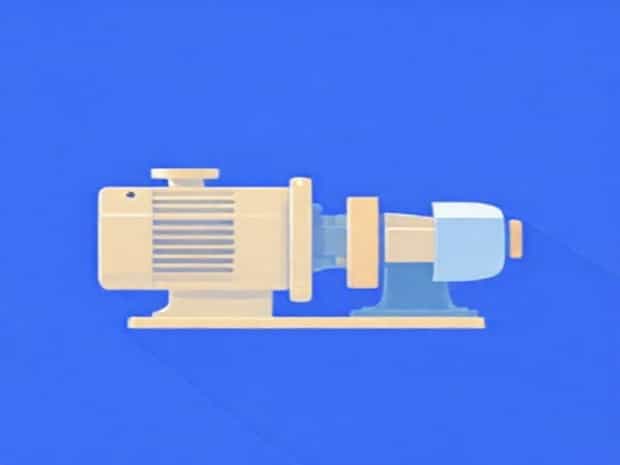
Is Centrifugal Pump Self Priming
Centrifugal pumps are widely used in industrial, commercial, and residential applications due to their simplicity, reliability, and efficiency in moving fluids. A common question among engineers, technicians, and pump users is whether a centrifugal pump is self-priming. Understanding the concept of self-priming, how centrifugal pumps operate, and the variations between standard and self-priming models is crucial for selecting the right pump for specific applications. Misunderstanding this feature can lead to operational issues, including cavitation, loss of prime, or reduced pump performance, which can affect both safety and efficiency.
Understanding Centrifugal Pumps
A centrifugal pump is a mechanical device designed to move fluid by converting rotational kinetic energy into hydrodynamic energy. The pump typically consists of an impeller, which rotates inside a casing, and a suction and discharge port. When the impeller spins, it imparts velocity to the fluid, directing it outward toward the discharge port. This movement creates a pressure difference that draws fluid into the pump. Centrifugal pumps are preferred for applications that require high flow rates and relatively low to medium head pressures.
How Priming Works
Priming is the process of removing air or gas from the pump and suction line to allow the pump to operate efficiently. In standard centrifugal pumps, the impeller cannot move air effectively. If the pump contains air or gas, it will not create sufficient suction to draw fluid, and the pump cannot start pumping on its own. This is why priming is necessary before startup. Priming ensures that the pump is filled with liquid, allowing the impeller to generate the necessary pressure to move the fluid through the system.
Is a Centrifugal Pump Self-Priming?
Not all centrifugal pumps are self-priming. A standard centrifugal pump requires manual priming before operation, meaning the operator must fill the pump casing and suction line with liquid to remove air. However, certain centrifugal pumps are specifically designed to be self-priming. Self-priming centrifugal pumps are equipped with mechanisms that allow them to re-prime themselves after air enters the pump, making them suitable for applications where the suction line may intermittently run dry or air pockets are present.
Design Features of Self-Priming Centrifugal Pumps
Self-priming centrifugal pumps differ from standard pumps in several key aspects
- Special CasingThese pumps have a larger volute or recessed area in the casing to hold a certain volume of liquid, which helps create a liquid seal and allows the pump to draw air out during operation.
- Air Separation MechanismInternal passages are designed to separate air from liquid. As the impeller rotates, it mixes the air with the liquid in the pump chamber, pushing it toward the discharge until only liquid remains.
- Ability to Handle Gas-Liquid MixturesUnlike standard centrifugal pumps, self-priming pumps can handle some air or gas in the suction line without losing prime, making them suitable for systems where air entrainment is common.
Advantages of Self-Priming Centrifugal Pumps
Self-priming centrifugal pumps offer several benefits over standard centrifugal pumps, especially in applications where manual priming is inconvenient or impractical
- Ease of OperationSelf-priming pumps eliminate the need for manual priming, saving time and reducing the risk of errors during startup.
- Reduced Risk of DamageSince the pump can re-prime itself, it minimizes the risk of cavitation, which can damage the impeller and other components.
- VersatilityThese pumps can be installed above the liquid source, unlike standard pumps that require the suction line to remain flooded.
- Reliability in Intermittent ApplicationsIdeal for systems where the fluid supply is inconsistent or where air pockets may form in the suction line.
Limitations and Considerations
While self-priming centrifugal pumps are convenient, there are some considerations to keep in mind
- Lower EfficiencySelf-priming pumps are often slightly less efficient than standard centrifugal pumps due to the added complexity in the casing and internal passages.
- Size and CostThese pumps are generally larger and more expensive than their standard counterparts, which may not be necessary for applications where manual priming is feasible.
- MaintenanceThe additional components designed for self-priming can require more maintenance and careful inspection to ensure long-term reliability.
Applications of Self-Priming Centrifugal Pumps
Self-priming centrifugal pumps are particularly useful in industries and situations where maintaining a flooded suction line is difficult or impossible. Common applications include
- Wastewater and sewage systems where air pockets and gas formation are common.
- Marine applications where pumps must draw water from tanks or the sea.
- Irrigation systems where pumps may be located above water sources.
- Industrial processes that involve intermittent fluid transfer or handling of slurries.
- Emergency dewatering applications where quick startup is essential.
To answer the question, a centrifugal pump is not inherently self-priming. Standard centrifugal pumps require manual priming to function effectively, while self-priming centrifugal pumps are specifically engineered to re-prime themselves after air enters the system. Understanding the differences between these types of pumps is essential for selecting the right model for a given application. Self-priming centrifugal pumps offer convenience, reliability, and versatility but may come with slightly lower efficiency and higher costs compared to standard pumps.
When choosing a centrifugal pump, it is important to consider the location of the pump, the nature of the fluid, and the operating conditions. Self-priming centrifugal pumps are ideal for applications where the suction line is prone to air entry or where ease of operation is a priority. By understanding the features, advantages, and limitations of self-priming centrifugal pumps, users can ensure efficient fluid transfer and avoid common problems associated with improper priming, ultimately improving system performance and longevity.
In summary, whether a centrifugal pump is self-priming depends on its design. Standard centrifugal pumps need priming, whereas self-priming models are equipped with mechanisms to handle air and re-prime themselves. Choosing the right type requires careful consideration of the application, fluid characteristics, and operational requirements. Proper selection ensures smooth operation, reduces maintenance needs, and enhances the overall reliability of the pumping system.