Is Calypso A Dance
Calypso is often associated with vibrant Caribbean music, colorful festivals, and rhythmic movements that captivate audiences worldwide. While many people recognize calypso as a genre of music originating from Trinidad and Tobago, questions often arise about whether calypso is also considered a dance. The energetic beats, syncopated rhythms, and lively melodies of calypso music naturally invite movement, leading to the development of dance styles that complement the music. Understanding the relationship between calypso music and dance provides insight into Caribbean culture, musical history, and social traditions that have influenced global entertainment.
The Origins of Calypso
Calypso music originated in the early 20th century in Trinidad and Tobago, although its roots can be traced back to African and French influences brought to the Caribbean during the colonial era. The genre developed as a form of storytelling, social commentary, and entertainment for communities, particularly during Carnival celebrations. Calypso songs often feature witty lyrics, political satire, and narratives about everyday life, with percussion instruments like drums, steel pans, and maracas providing rhythmic accompaniment.
Calypso Music Characteristics
The defining features of calypso music make it highly suitable for dance. Its steady 2/4 or 4/4 time signature, lively tempo, and syncopated rhythms encourage movement and improvisation. Musicians often employ call-and-response patterns, which engage audiences and invite participatory dancing. The infectious energy of calypso music naturally lends itself to physical expression, bridging the gap between sound and movement.
Is Calypso a Dance?
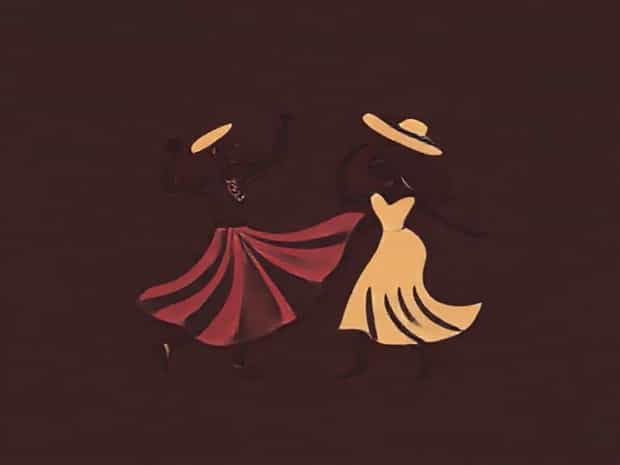
While calypso is primarily recognized as a music genre, it is also associated with dance. Calypso dancing emerged as a cultural expression that complements the music’s rhythm, storytelling, and celebratory spirit. Dancers often move in ways that mirror the syncopated beats and dynamic melodies of calypso songs. Although there is no single formalized calypso dance style, various interpretations exist, ranging from freestyle movements during Carnival to choreographed performances in dance competitions.
Calypso Dance Styles
Several styles of calypso dance have developed over time, influenced by local customs, social interactions, and performance contexts. Some common features include
- Freestyle Carnival DancingDuring Trinidad and Tobago’s Carnival, dancers often move spontaneously to calypso music, incorporating hip movements, rhythmic footwork, and playful gestures that reflect the celebratory atmosphere.
- Partner DancingIn social settings, calypso can be danced with partners, featuring coordinated steps, spins, and turns that follow the music’s rhythm and tempo.
- Stage ChoreographyProfessional dancers performing calypso on stage may combine traditional Caribbean movements with modern dance techniques, creating visually engaging performances that highlight rhythm, storytelling, and cultural heritage.
Techniques and Movements in Calypso Dance
Calypso dance emphasizes fluidity, rhythm, and expressiveness. Key techniques include
- Hip MovementCircular or side-to-side hip motions that sync with the music’s beat.
- FootworkQuick, light steps and rhythmic patterns that match calypso’s syncopated rhythm.
- Arm and Hand GesturesExpressive movements that enhance storytelling and audience engagement.
- Body IsolationCoordinating different parts of the body independently to reflect musical accents and beats.
The Cultural Significance of Calypso Dance
Calypso dance is deeply intertwined with Caribbean culture and history. It serves as a medium for social expression, community bonding, and cultural preservation. During Carnival, calypso dancing allows participants to celebrate heritage, express creativity, and engage with political or social themes highlighted in calypso songs. Beyond entertainment, calypso dance functions as a form of resistance and empowerment, continuing a tradition of cultural storytelling that dates back to African roots.
Global Influence of Calypso Dance
As calypso music gained international popularity in the mid-20th century, its associated dance forms spread to other regions. Caribbean communities around the world introduced calypso dance at cultural festivals, social gatherings, and stage performances. Today, calypso-inspired dance movements influence other dance genres, including soca, reggae, and Latin dances, demonstrating the adaptability and global reach of this cultural art form.
Learning Calypso Dance
For those interested in learning calypso dance, several approaches can be taken
- Community ClassesLocal dance schools or cultural organizations may offer classes that teach calypso movements and Caribbean rhythms.
- WorkshopsShort-term workshops often focus on Carnival-style dancing, freestyle techniques, and performance skills.
- Online TutorialsDigital platforms provide step-by-step instructions for beginners and advanced dancers alike.
- Practice with MusicListening to calypso songs and practicing movements in time with the music helps internalize rhythm and style.
Calypso is not only a vibrant genre of Caribbean music but also a dynamic form of dance that complements the rhythms and energy of the music. While calypso dancing may not be standardized, it encompasses freestyle, partner, and choreographed styles that reflect cultural traditions, celebratory spirit, and storytelling. From Carnival streets in Trinidad and Tobago to global dance stages, calypso dance remains a joyful expression of movement, music, and cultural heritage. Understanding calypso as both music and dance offers a deeper appreciation of its role in Caribbean culture and its influence on global entertainment. Whether performed for social enjoyment, cultural preservation, or professional performance, calypso dance continues to inspire creativity and connect communities through rhythm, movement, and celebration.