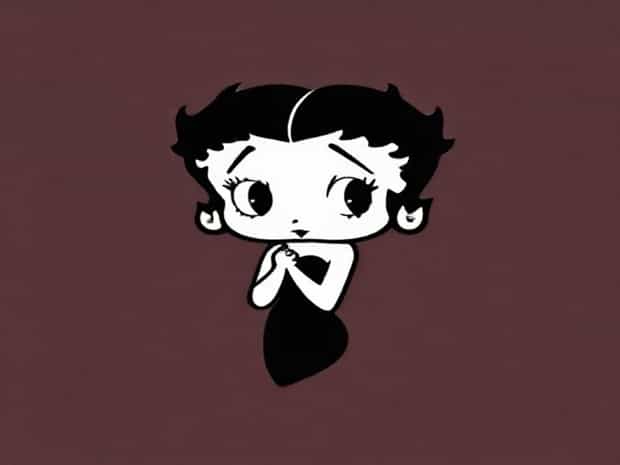
Is Betty Boop A Pinup
Betty Boop, one of the most iconic animated characters of the 20th century, has captured the imagination of audiences for decades with her distinctive style, playful personality, and unmistakable voice. Created by Max Fleischer in the 1930s, Betty Boop was originally a cartoon flapper, embodying the spirit of the Jazz Age with her short dresses, curly hair, and flirtatious charm. Over time, many have wondered whether Betty Boop fits into the category of a pinup, a term often associated with glamorous, alluring images designed for popular appeal. To fully understand this, it is essential to explore the origins of Betty Boop, the definition of pinup culture, and how the character has been portrayed in various media over the years.
The Origins of Betty Boop
Betty Boop first appeared in the animated short Dizzy Dishes” in 1930 as part of the Talkartoon series produced by Fleischer Studios. Initially, she was designed as a canine-human hybrid, but her appearance soon evolved into the fully human, flapper-inspired character that audiences recognize today. Her design emphasized exaggerated features such as large eyes, a small waist, and short skirts, all of which contributed to her playful and slightly provocative image. Betty Boop quickly became a symbol of the liberated, carefree woman of the 1920s and 1930s, a cultural shift from traditional expectations of femininity.
Betty Boop’s Character Traits
- Flirtatious and playful personality
- Stylish and fashionable, reflecting contemporary trends
- Voice characterized by a high-pitched, baby-like tone
- Often depicted in musical performances and comedy sketches
- Balancing innocence with a subtle sense of seductiveness
Understanding Pinup Culture
Pinup culture originated in the early 20th century, particularly gaining prominence during the 1940s and 1950s. Pinup images typically featured women in playful, alluring, or glamorous poses, often designed to be pinned up on walls, hence the term. These images were intended to appeal to popular culture, combining elements of sexuality, fashion, and charm. While traditional pinups were real models photographed or illustrated, the concept extended into illustrations, advertisements, and even animated characters. The key elements of a pinup include visual appeal, flirtatiousness, and a balance between innocence and sexual allure.
Characteristics of Pinup Art
- Emphasis on glamour and aesthetic beauty
- Playful or suggestive poses without explicit content
- Often associated with fashion, lingerie, or stylized costumes
- Designed for mass appeal and popular culture consumption
- Combination of innocence and subtle seduction
Betty Boop as a Pinup
Considering the origins of Betty Boop and the characteristics of pinup culture, it becomes clear that she embodies many aspects of the pinup tradition. Her exaggerated, stylized features and flirtatious personality mirror the visual appeal and charm associated with pinup imagery. While she is animated rather than a real-life model, Betty Boop’s illustrations and animations often presented her in ways that were provocative yet playful, aligning closely with pinup aesthetics. Her short dresses, garter belts, and flirtatious gestures contributed to her image as a symbol of feminine allure during a time when such representations were both novel and culturally significant.
Visual and Cultural Alignment
- Exaggerated body proportions enhancing visual appeal
- Stylized clothing reflecting 1930s fashion trends
- Playful and teasing gestures consistent with pinup poses
- Representation of confidence and independence, aligning with liberated femininity
- Appeal to a broad audience through cartoons, merchandise, and promotional materials
Differences Between Betty Boop and Traditional Pinups
Despite her alignment with pinup aesthetics, there are distinctions that set Betty Boop apart from traditional pinups. Most notably, she is a fictional, animated character rather than a real person. This difference allows for exaggerated, fantastical representation, which can push boundaries of realism in ways traditional pinups do not. Additionally, Betty Boop’s cultural context as a 1930s flapper cartoon means that her primary function was as entertainment and social commentary, rather than purely decorative imagery. While pinups were often designed to be displayed as collectible or decorative items, Betty Boop served as a dynamic character engaging audiences through animated storytelling, music, and humor.
Key Differences
- Animated vs. live model representation
- Primary role as a character in stories, not just visual appeal
- Influence of 1930s flapper culture on personality and design
- Combination of innocence, humor, and flirtation
- Broader cultural commentary beyond aesthetics
Betty Boop’s Influence on Popular Culture
Betty Boop’s influence extends far beyond her original animated shorts. She has appeared in comic books, advertisements, merchandise, and even modern reinterpretations in fashion and media. Her image has been used on clothing, accessories, and collectibles, reinforcing her role as an iconic figure in popular culture. Many consider Betty Boop a precursor to modern pinup-inspired branding, demonstrating how animated characters can embody pinup qualities without being literal models. Her playful yet provocative image continues to resonate, illustrating the enduring power of animation and visual culture in shaping societal perceptions of femininity and style.
Legacy and Cultural Impact
- Merchandise and branding featuring Betty Boop’s iconic image
- Inspiration for modern pinup-inspired art and fashion
- Representation of liberated femininity and playful charm
- Integration into comics, advertising, and popular media
- Recognition as an enduring symbol of 1930s animation and style
Betty Boop can indeed be considered a type of pinup, particularly when examining her visual style, flirtatious demeanor, and cultural impact. While she differs from traditional pinups due to her animated nature and role in storytelling, the characteristics she exhibits glamour, playful seduction, and mass appeal align closely with the pinup tradition. Betty Boop’s legacy demonstrates how the concept of a pinup can extend beyond photographic or illustrated models to encompass fictional characters who embody the same qualities of charm and allure. Her influence continues to inspire artists, designers, and fans, cementing her status as a cultural icon whose relevance transcends decades and mediums.