Is Bacolod In Negros Occidental
Bacolod is a city that has captured the attention of both travelers and locals alike due to its rich culture, history, and vibrant community. Often referred to as the City of Smiles, Bacolod is well-known for its festive atmosphere, delicious cuisine, and historical landmarks. One question that frequently arises is whether Bacolod is located in Negros Occidental. Understanding the geographic, political, and cultural placement of Bacolod helps provide clarity for those exploring the Philippines or studying its administrative divisions. This topic will explore Bacolod’s location, its connection to Negros Occidental, and the significance of its identity within the region.
Geographic Location of Bacolod
Bacolod is geographically situated on the northwestern coast of Negros Island in the Visayas region of the Philippines. The city faces the Guimaras Strait, which separates it from the neighboring island of Panay. Its strategic location makes it an important hub for commerce, transportation, and tourism in the Visayas. As the capital city of Negros Occidental, Bacolod serves as the political, economic, and cultural center of the province. Its position along the coastline also contributes to its thriving port activities, connecting the city to other parts of the Philippines through sea routes.
Political and Administrative Significance
Bacolod holds a unique political status. Although it is geographically within Negros Occidental, it is classified as a highly urbanized city. This means that while it serves as the provincial capital, it operates administratively independent of the provincial government. In practice, Bacolod manages its own local government and city services, but it continues to play a central role in the province’s identity and administration. Residents of Bacolod are considered part of Negros Occidental culturally and historically, even though the city has autonomous governance in certain administrative matters.
Cultural and Historical Connection
Bacolod’s history is closely intertwined with Negros Occidental. The city became the provincial capital in 1889 and has since been a focal point for economic development, particularly in sugarcane production. The sugar industry has historically shaped the culture and livelihood of both Bacolod and the surrounding province. Festivals like the famous MassKara Festival, celebrated every October, showcase the city’s vibrant culture and the resilience of its people. The festival also highlights the connection between Bacolod and Negros Occidental by celebrating the province’s heritage, artistic expressions, and community spirit.
Economic Importance
Bacolod plays a significant economic role within Negros Occidental. The city acts as a commercial and trade hub for the province, supporting industries such as sugar, food processing, and tourism. The port of Bacolod is a key gateway for goods and passengers, facilitating trade between Negros Occidental and other regions. The city’s economic vibrancy contributes to the overall prosperity of the province, reinforcing its importance within the provincial framework.
Transportation and Connectivity
One factor that strengthens Bacolod’s connection to Negros Occidental is its transportation infrastructure. The city is served by the Bacolod-Silay International Airport, connecting it to major domestic and international destinations. Additionally, land transportation routes link Bacolod to other towns and cities within Negros Occidental, making it accessible for commerce, tourism, and daily commuting. Sea transportation further enhances its role as a central hub for the province, allowing seamless travel to nearby islands and regions.
Tourism and Attractions
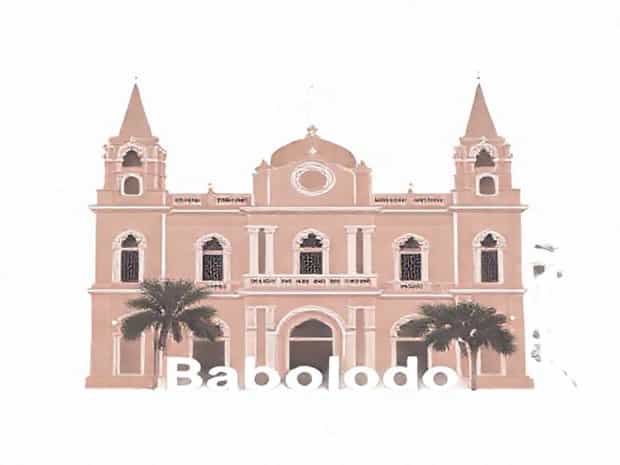
Bacolod is a popular destination for tourists exploring Negros Occidental. Its attractions range from historical landmarks, such as the San Sebastian Cathedral and The Ruins mansion, to cultural experiences like local festivals and traditional cuisine. Visitors often explore the nearby towns within Negros Occidental, taking day trips to sugar plantations, eco-tourism sites, and heritage towns. This close integration of tourism between Bacolod and the province emphasizes the city’s role as the cultural and recreational heart of Negros Occidental.
Misconceptions About Bacolod’s Location
Despite clear geographic and political facts, misconceptions sometimes arise about Bacolod’s status in Negros Occidental. Some people mistakenly believe that Bacolod is separate from the province due to its highly urbanized city classification and autonomous governance. Others may confuse it with other major cities in the Visayas. Clarifying that Bacolod is indeed located within Negros Occidental, both geographically and culturally, helps avoid confusion. The city’s unique administrative setup does not negate its integral connection to the province.
Educational and Cultural Institutions
Bacolod is home to numerous educational and cultural institutions that serve both the city and the wider province. Universities, colleges, and vocational schools in Bacolod attract students from all over Negros Occidental, contributing to the intellectual and cultural development of the region. Museums, art galleries, and cultural centers also provide platforms to showcase the province’s history, traditions, and artistic achievements, further reinforcing the link between Bacolod and Negros Occidental.
Community and Local Identity
The people of Bacolod, known as Bacoleños, share a strong sense of identity tied to both their city and the province of Negros Occidental. Community events, religious celebrations, and local governance initiatives all highlight the dual importance of Bacolod as a city and as part of the province. Residents maintain traditions, dialects, and practices common throughout Negros Occidental, reflecting a shared cultural heritage that strengthens provincial cohesion. This interconnectedness fosters pride and unity among the population, demonstrating that Bacolod’s identity cannot be separated from the larger context of Negros Occidental.
Role in Regional Development
Bacolod’s influence extends beyond the provincial level into regional development. As a major economic, political, and cultural hub in Western Visayas, the city plays a critical role in regional planning, investment, and policy-making. Programs initiated in Bacolod often benefit the surrounding municipalities in Negros Occidental, highlighting the city’s central position within both the province and the region. This regional significance further supports the notion that Bacolod is an integral part of Negros Occidental.
Bacolod is indeed located in Negros Occidental, both geographically and culturally, despite its administrative classification as a highly urbanized city. The city serves as the provincial capital, a hub for commerce, education, and tourism, and a center of cultural heritage for the province. Its historical roots, economic importance, and social contributions firmly establish Bacolod as a vital part of Negros Occidental. Understanding this relationship clarifies misconceptions and highlights the city’s essential role within the province and the wider Western Visayas region.
Overall, Bacolod exemplifies the integration of urban development with provincial identity. Its unique administrative structure does not diminish its cultural, historical, and economic connections to Negros Occidental. From festivals to trade, education, and tourism, Bacolod continues to reflect the heart of the province, making it impossible to separate the city from the identity of Negros Occidental. Recognizing this connection enriches the appreciation of both Bacolod and the province as a whole, showcasing the enduring significance of the city within the Philippine archipelago.