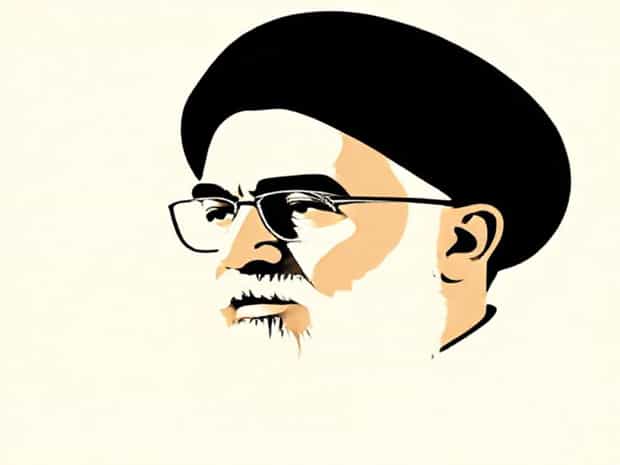
Is Ayatollah Khomeini Still Alive
Ayatollah Ruhollah Khomeini remains one of the most influential figures in modern history, particularly in the context of Iranian politics and Islamic governance. His leadership of the 1979 Iranian Revolution transformed Iran from a monarchy under Shah Mohammad Reza Pahlavi to an Islamic Republic, fundamentally altering the country’s social, political, and religious landscape. Many people today still wonder whether Ayatollah Khomeini is still alive, as his legacy continues to influence Iran and global geopolitics. Understanding his life, leadership, and historical context provides clarity on this question.
Who Was Ayatollah Khomeini?
Ruhollah Khomeini was born on September 24, 1902, in Khomein, Iran. He was a prominent Shia cleric, philosopher, and political leader. Khomeini studied Islamic law and theology extensively and became known for his teachings, sermons, and writings on Islamic jurisprudence and governance. His religious authority grew over the decades, earning him respect among Shia Muslims both inside and outside of Iran. By the mid-20th century, he emerged as a vocal critic of the Shah’s regime, particularly its Western-oriented policies and perceived corruption.
Khomeini and the Iranian Revolution
In the 1960s and 1970s, Khomeini gained prominence for opposing the Shah’s White Revolution and advocating for Islamic governance based on Shia principles. His criticism of the monarchy led to his exile in 1964, first in Turkey and later in Iraq and France. Despite being in exile, Khomeini continued to influence Iranian society through speeches, writings, and radio broadcasts. His messages resonated with various segments of the population, including students, clerics, and urban workers, ultimately culminating in widespread protests against the Shah’s rule.
The Iranian Revolution of 1979 marked a turning point in the nation’s history. Following months of mass demonstrations, strikes, and civil unrest, Shah Mohammad Reza Pahlavi fled Iran, and Khomeini returned from exile on February 1, 1979. He was welcomed by millions of Iranians, signaling the establishment of a new Islamic Republic with Khomeini as its Supreme Leader.
Role as Supreme Leader
After the revolution, Khomeini became Iran’s first Supreme Leader, a position created to embody both religious and political authority. As Supreme Leader, he wielded significant influence over domestic and foreign policy, the judiciary, and the military. Khomeini’s leadership emphasized adherence to Shia Islamic law, political independence from Western influence, and the promotion of Islamic values in education, culture, and governance. Under his guidance, Iran underwent major social and political changes, including the nationalization of industries, the establishment of Islamic courts, and the implementation of new educational and legal systems.
Major Policies and Influence
Khomeini’s tenure as Supreme Leader saw transformative policies and significant regional influence
- Implementation of theocratic governance, merging religious authority with state power.
- Institutionalization of Shia jurisprudence in legal and social matters.
- Opposition to Western influence and alignment with anti-imperialist movements globally.
- Support for revolutionary movements in neighboring countries.
- Oversight of the Iran-Iraq War (1980-1988), shaping national defense and political strategy.
These policies solidified Khomeini’s role as a central figure in Iranian and Middle Eastern politics, leaving a legacy that continues to shape the country’s institutions and policies.
Death of Ayatollah Khomeini
Despite his enduring influence, Ayatollah Khomeini passed away on June 3, 1989, at the age of 86. His death marked the end of an era in Iranian politics, though his impact remained significant. Khomeini’s passing led to a massive outpouring of public grief, with millions attending funeral ceremonies across the country. Following his death, the leadership of the Islamic Republic transitioned to Ali Khamenei, who became the second Supreme Leader of Iran.
Legacy After Death
Khomeini’s influence continues through Iran’s political and religious structures. Key aspects of his legacy include
- The Supreme Leader institution, which maintains substantial authority in Iran’s political system.
- Guidance on Shia Islamic law and governance principles, shaping policy and social norms.
- Enduring revolutionary ideals, including resistance to Western intervention and promotion of Islamic values.
- Influence on regional politics, inspiring movements aligned with his vision of Islamic governance.
His writings, speeches, and teachings remain studied in seminaries, universities, and by political leaders, underscoring his continuing relevance in both religious and political discourse.
Common Misconceptions
Because Khomeini’s influence persists decades after his death, some people mistakenly believe he might still be alive. This misconception is fueled by his continued presence in Iranian media, portraits, and commemorative events. However, historical records and reliable sources confirm that Khomeini passed away in 1989. References to his ideas, statements, or influence today do not indicate that he is alive but rather highlight the lasting impact of his leadership and ideology.
Understanding the Confusion
Several factors contribute to misunderstandings about Khomeini’s status
- Ongoing use of his image in public spaces and political messaging.
- Frequent references to his teachings and fatwas in Iranian governance.
- Media coverage of anniversaries or statements honoring his memory.
- Influence of Khomeini-inspired policies on current Iranian leaders and policies.
Recognizing these distinctions helps clarify that while Khomeini’s legacy is alive, he himself is not.
Ayatollah Ruhollah Khomeini was a central figure in shaping modern Iran, leading the 1979 revolution, establishing the Islamic Republic, and serving as its first Supreme Leader. His policies, teachings, and political strategies profoundly influenced Iranian society, governance, and regional politics. However, despite his lasting impact, Khomeini passed away on June 3, 1989, and is no longer alive. Misconceptions about his status arise from the continued relevance of his ideology, the presence of his portraits and media references, and ongoing commemorations in Iran and beyond.
Understanding the life, leadership, and death of Ayatollah Khomeini is crucial for comprehending Iran’s contemporary political and religious landscape. His legacy endures in the institutions he established, the policies he inspired, and the continued study of his teachings. While Khomeini himself is no longer alive, his influence remains a defining force in Iran and continues to affect the region and the world today.