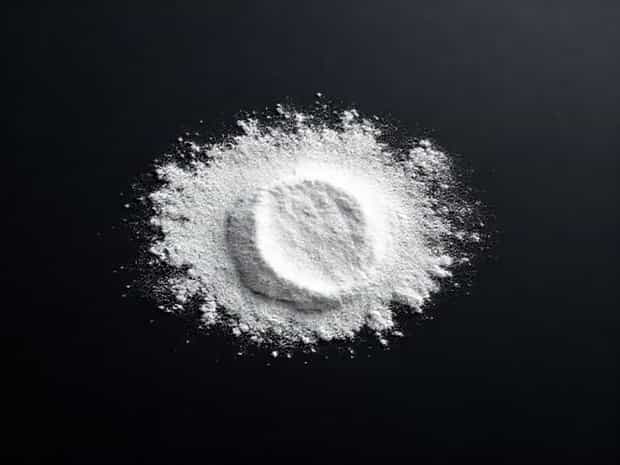
Is Asbestos In Talcum Powder
Talcum powder has been used for decades as a household product, often associated with personal hygiene and baby care. Its smooth texture and ability to absorb moisture made it popular worldwide. However, concerns have grown over the years about the safety of talcum powder, especially regarding its potential contamination with asbestos. This issue has raised questions about whether talcum powder is truly safe for daily use and whether asbestos exposure from these products poses health risks. Understanding this connection requires a closer look at how talc is sourced, processed, and tested before reaching consumers.
Understanding Talcum Powder
Talcum powder is made from talc, a naturally occurring mineral composed mainly of magnesium, silicon, and oxygen. When ground into a fine powder, it feels soft and smooth, making it ideal for reducing friction and preventing skin irritation. Talc has been widely used not only in personal care products but also in cosmetics and some industrial applications.
The concern arises from the fact that talc is often found in close proximity to asbestos deposits in the earth. Since asbestos is a well-known carcinogen, any contamination in the mining process could lead to health risks for consumers using talcum powder products.
What Is Asbestos?
Asbestos is a group of naturally occurring fibrous minerals known for their strength and resistance to heat. In the past, asbestos was widely used in construction, insulation, and manufacturing. However, it is now recognized as highly dangerous, as inhaling asbestos fibers can cause serious diseases such as mesothelioma, lung cancer, and asbestosis.
Because asbestos and talc are geologically related, there is a risk that talc mined in certain areas may contain asbestos fibers unless carefully processed and tested.
How Asbestos Can Enter Talcum Powder
The possibility of asbestos contamination in talcum powder comes from the mining process. If talc deposits are located near asbestos deposits, improper extraction or insufficient purification methods may result in asbestos fibers being present in the final product. Once talcum powder containing asbestos is applied to the skin or becomes airborne, individuals may inhale or ingest these fibers unknowingly.
Key Factors Leading to Contamination
- Geological proximity of talc and asbestos deposits
- Mining methods and quality control standards
- Insufficient purification processes
- Lack of strict testing during manufacturing
Health Risks Linked to Asbestos in Talcum Powder
Research has shown that asbestos exposure, regardless of the source, poses serious health risks. When talcum powder contaminated with asbestos is used over long periods, especially in sensitive areas of the body, the risks may increase significantly. Health concerns include
- MesotheliomaA rare but aggressive cancer that affects the lining of the lungs, abdomen, or heart. It is strongly linked to asbestos exposure.
- Lung CancerLong-term inhalation of asbestos fibers can cause malignant growth in the lungs.
- Ovarian CancerSome studies suggest a link between the use of talcum powder in the genital area and ovarian cancer, particularly when asbestos contamination is involved.
- AsbestosisA chronic lung disease caused by scarring of lung tissue from inhaling asbestos fibers.
Scientific Studies and Evidence
Over the years, multiple scientific studies have investigated whether talcum powder contributes to cancer risk. Some studies found no significant connection between pure talc and cancer, while others highlighted a potential link when asbestos contamination was present. The debate largely revolves around whether talcum powder itself is harmful or whether asbestos fibers found in certain products are responsible for the health risks.
For this reason, the issue of asbestos in talcum powder has remained controversial, with experts divided on how much risk is posed to everyday consumers.
Legal Cases and Consumer Concerns
Concerns about asbestos in talcum powder have led to numerous lawsuits against manufacturers. Several cases have resulted in large settlements for individuals who claimed they developed cancer from long-term use of contaminated talcum powder. These legal actions have pushed companies to reformulate products, improve testing methods, and in some cases, withdraw talcum-based powders from the market.
As public awareness grows, consumers have become more cautious and often turn to alternatives such as cornstarch-based powders, which do not carry the same contamination risks.
Regulation and Safety Measures
Different countries have different regulations concerning the use of talc in consumer products. Some regions enforce strict testing to ensure talcum powder is asbestos-free, while others rely on manufacturers to self-regulate. In recent years, health authorities have increased pressure on companies to provide transparency about the safety of their talc-based products.
Current Safety Practices
- Testing talc sources for asbestos contamination before mining
- Using advanced purification and refining methods
- Implementing stricter quality control in manufacturing
- Encouraging alternative ingredients in personal care products
Alternatives to Talcum Powder
With safety concerns in mind, many consumers are now seeking alternatives to talcum powder. Several safe and natural substitutes are available, which can provide similar benefits without the risk of asbestos contamination. These include
- Cornstarch powder – a common and safe replacement that absorbs moisture effectively.
- Arrowroot powder – a natural option often used in skincare and cosmetics.
- Baking soda blends – sometimes used in personal care to reduce odor and friction.
- Oat flour – known for its soothing effect on sensitive skin.
What Consumers Should Know
When considering whether to use talcum powder, it is important to research the product’s safety claims and manufacturing practices. Choosing brands that openly share testing results and offer asbestos-free certifications can reduce risks. Additionally, consumers should explore natural alternatives that provide similar benefits without the potential dangers linked to asbestos contamination.
The question of asbestos in talcum powder remains a significant concern for public health and consumer safety. While pure talc itself is not inherently harmful, the possibility of asbestos contamination makes the issue more complex. Scientific studies, lawsuits, and regulatory scrutiny have all highlighted the need for better oversight and safer alternatives. For individuals who value health and safety, switching to asbestos-free or natural powders may be a wise choice. As awareness continues to grow, both consumers and manufacturers play an important role in reducing risks and ensuring safer products for everyday use.