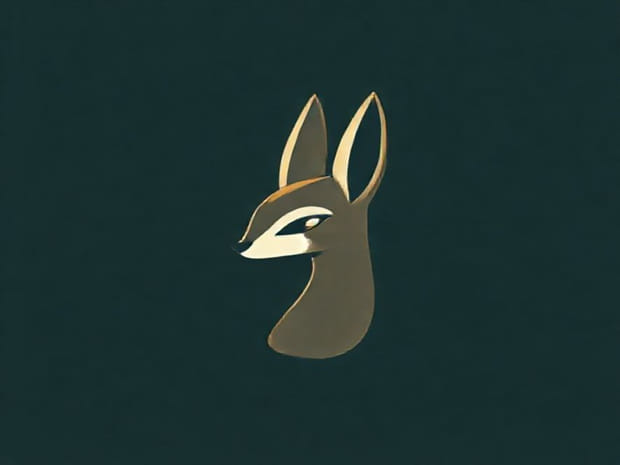
Is Anubis A Furry
In modern internet culture, certain mythological figures and symbols often spark curiosity regarding their association with contemporary subcultures. One such figure is Anubis, the ancient Egyptian god depicted with a human body and a canine head, usually that of a jackal. Given his anthropomorphic design, some people have questioned whether Anubis could be considered a furry” in the context of today’s fandoms. This question blends ancient mythology with modern pop culture and online communities, raising interesting discussions about symbolism, interpretation, and how historical figures intersect with contemporary identities.
Who is Anubis?
Anubis is one of the most recognizable deities in ancient Egyptian mythology. He is traditionally depicted as a man with the head of a jackal or dog and is primarily associated with mummification and the afterlife. Anubis was believed to guide souls to the underworld, oversee embalming processes, and protect tombs. His role in Egyptian mythology symbolizes protection, guidance, and judgment, making him a central figure in funerary rites and beliefs about the afterlife.
Depictions of Anubis
- Typically shown with a black jackal head, symbolizing the color of mummified flesh and rebirth
- Often depicted standing or crouching beside coffins or overseeing the weighing of the heart
- Appears in tomb paintings, sculptures, and religious texts like the Book of the Dead
Understanding the Furry Fandom
The furry fandom is a subculture interested in anthropomorphic animal characters animals with human traits, such as the ability to speak, walk upright, or wear clothing. Furries often create and roleplay as characters known as fursonas, which may be inspired by real animals, mythological creatures, or original designs. The fandom spans art, conventions, storytelling, gaming, and online communities, embracing both creativity and identity exploration.
Characteristics of Furries
- Interest in anthropomorphic animals
- Creation of personal characters, or fursonas, with unique traits and personalities
- Participation in art, literature, or social events centered on anthropomorphism
- Use of costumes, digital avatars, or roleplay to express their characters
Is Anubis a Furry?
Strictly speaking, Anubis is not a furry. The furry fandom is a modern social phenomenon, while Anubis originates from ancient religious beliefs and mythology. However, Anubis does feature anthropomorphic traits specifically, a human body combined with a canine head which aligns visually with what many furries depict in their artwork or costumes. This anthropomorphism has led some modern audiences to playfully or hypothetically classify him as “furry-like” in online discussions.
Why Some Might Consider Anubis Furry-Like
- Anthropomorphic design human body with an animal head
- Symbolism of combining human and animal traits
- Influence on art and media where similar designs are adopted in furry culture
- Popularity in memes, fan art, and online reinterpretations that align with furry aesthetics
Key Differences
- Historical context Anubis is a religious figure, not a character created for fandom entertainment
- Purpose Ancient depictions serve spiritual and cultural functions rather than self-expression or roleplay
- Community involvement Furries actively participate in social and creative communities, whereas Anubis exists as a mythological symbol
Modern Interpretations and Cultural Impact
While Anubis is not technically a furry, his design has inspired modern creators, including those in the furry fandom. Artists often reinterpret Anubis in anthropomorphic art, video games, and cosplay. These reinterpretations celebrate his visual appeal and symbolism while merging ancient mythology with contemporary interests. In this sense, Anubis functions as an influence or inspiration rather than a literal member of the furry community.
Examples in Media
- Video games where Anubis is anthropomorphized or given stylized designs
- Furry artwork depicting Anubis-inspired characters
- Cosplay and costume events where fans adopt his jackal-headed appearance
Anthropomorphism Across Cultures
Anthropomorphic figures like Anubis are not unique to Egyptian mythology. Many ancient cultures used hybrid human-animal figures to convey spiritual, moral, or societal messages. Examples include the Hindu deity Ganesha, Greek gods like Pan, and Mesopotamian deities with animal heads. These figures share visual similarities with furry characters but were not created for fandom or entertainment purposes. Recognizing these distinctions is important when comparing historical mythology with modern subcultures.
Similarities Between Mythology and Fandom
- Both use anthropomorphism to convey ideas or identity
- Both inspire artistic expression
- Both create visually striking characters combining human and animal traits
Anubis is not a furry in the contemporary sense, but his anthropomorphic design naturally draws parallels to the furry aesthetic. While ancient Egyptian mythology served religious and cultural purposes, modern fandoms like the furry community focus on creativity, self-expression, and social interaction. The shared visual theme of human-animal hybrids connects Anubis to the ideas explored within the fandom, making him a fascinating figure for discussion among enthusiasts. Understanding the distinction between historical symbolism and modern subcultures helps contextualize why some may jokingly label Anubis as furry-like while acknowledging the deeper cultural and spiritual significance of this ancient deity.
Key Takeaways
- Anubis is an ancient Egyptian god with a human body and a jackal head.
- The furry fandom is a modern subculture interested in anthropomorphic animals.
- While visually similar, Anubis predates the furry community by thousands of years.
- Modern media and fan art may reinterpret Anubis in ways that align with furry aesthetics.
- Recognizing the difference between historical mythology and contemporary fandom is essential for accurate understanding.
Ultimately, Anubis serves as a bridge between ancient artistic symbolism and modern cultural reinterpretation, illustrating how enduring visual motifs can influence creative expression across millennia.