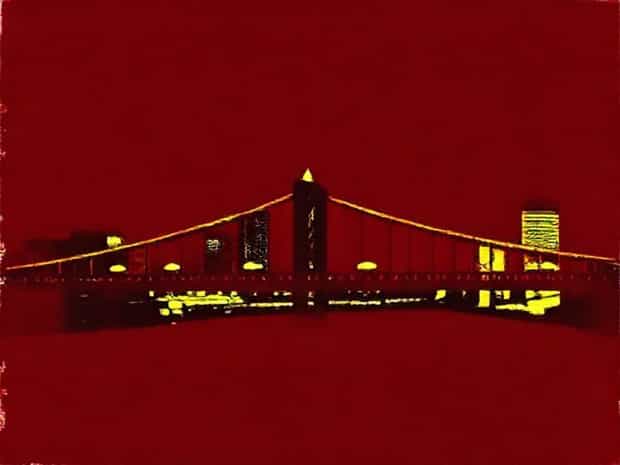
Is Andy Warhol From Pittsburgh
Andy Warhol, one of the most influential figures in the world of contemporary art, is often associated with the vibrant pop art movement that transformed the cultural landscape of the 20th century. While many people know Warhol for his iconic images of Marilyn Monroe, Campbell’s Soup cans, and his experimental approach to art and celebrity culture, fewer may be aware of his origins and early life. Understanding where Andy Warhol came from, including his connection to Pittsburgh, offers insight into the formative experiences that shaped his artistic vision and career trajectory.
Early Life of Andy Warhol
Andy Warhol was born on August 6, 1928, in Pittsburgh, Pennsylvania, into a working-class family. His parents, Ondrej and Julia Warhola, were immigrants from what is now Slovakia. Growing up in a blue-collar neighborhood in Pittsburgh, Warhol was influenced by the city’s industrial landscape, which included steel mills, factories, and bustling urban life. These surroundings contributed to his fascination with commercial imagery and mass production, themes that would later define much of his artwork.
Family Background and Childhood
- Father Ondrej Warhola, a construction worker and mill hand.
- Mother Julia Warhola, a homemaker with artistic inclinations, who encouraged Andy’s creativity.
- Childhood illness Warhol suffered from St. Vitus’ dance (a form of Sydenham’s chorea), which kept him bedridden for long periods and allowed him to cultivate an early interest in drawing and art.
- Influence of Pittsburgh The industrial and commercial environment exposed Warhol to the visual culture of advertisements, packaging, and mass-produced goods, sparking his interest in pop art.
Warhol’s Education and Artistic Development
Warhol’s artistic talent was recognized early, and he pursued formal education in the arts. He attended the Carnegie Institute of Technology (now Carnegie Mellon University) in Pittsburgh, where he studied commercial art. His training combined traditional fine arts techniques with exposure to graphic design, advertising, and illustration, all of which would later inform his approach to pop art. Pittsburgh’s cultural scene, although modest compared to New York, offered opportunities for young Warhol to develop his skills and gain a foundation in both artistic practice and commercial design.
Carnegie Institute and Influence of Pittsburgh Arts
- Focused on drawing, painting, and commercial illustration.
- Gained skills in layout, typography, and graphic design.
- Participated in student exhibitions and local art communities.
- Pittsburgh’s industrial backdrop influenced his fascination with repetition, patterns, and consumer culture.
Move to New York and Career Beginnings
After graduating from Carnegie Tech in 1949, Warhol moved to New York City to pursue a career as a commercial artist. While Pittsburgh provided the foundation for his early artistic development, New York offered the platform for exposure and experimentation. In Manhattan, Warhol worked as an illustrator for magazines, advertisements, and album covers, gradually gaining recognition for his unique style, which blended commercial and fine art elements. His Pittsburgh roots, however, remained an important part of his identity, and he often referenced his upbringing in interviews and personal reflections.
Transition from Commercial Art to Pop Art
- Worked for fashion magazines such as Vogue and Harper’s Bazaar.
- Created illustrations for advertisements and product packaging.
- Developed the signature style of flat colors, bold lines, and repetition that became central to pop art.
- Introduced themes of consumerism and celebrity culture, inspired by early experiences in Pittsburgh.
Legacy of Pittsburgh in Warhol’s Work
Although Warhol achieved fame in New York, his early life in Pittsburgh continued to influence his artistic perspective. The industrial landscapes, mass-produced objects, and immigrant family background shaped his fascination with popular culture and repetition. Pittsburgh’s working-class ethos contributed to his interest in ordinary, everyday objects as subjects of high art. In many ways, his upbringing in Pittsburgh allowed him to bridge the worlds of commercial art and fine art, ultimately redefining what could be considered art in the modern era.
Recognition of Warhol in Pittsburgh
- The Andy Warhol Museum, located in Pittsburgh, celebrates his life and work, highlighting his early influences.
- Pittsburgh hosts exhibitions and educational programs to honor Warhol’s connection to the city.
- Warhol’s family home and early community remain points of interest for art historians and fans.
Andy Warhol was indeed from Pittsburgh, Pennsylvania, and his formative years in the city had a profound impact on his artistic development. The industrial environment, immigrant family background, and exposure to commercial imagery helped shape the themes and techniques that would define his groundbreaking contributions to pop art. While his fame and career flourished in New York, Pittsburgh remained an integral part of his identity and inspiration. Understanding Warhol’s Pittsburgh roots provides valuable insight into the origins of his unique vision and the cultural forces that influenced one of the most iconic artists of the 20th century.