Is An African Grey A Parrot
The African Grey is often regarded as one of the most intelligent and charismatic birds in the avian world, captivating bird enthusiasts and pet owners alike. Native to the rainforests of West and Central Africa, these birds have earned a reputation for their extraordinary ability to mimic human speech, complex social behavior, and impressive cognitive skills. One common question that arises among bird lovers and potential pet owners is whether the African Grey is indeed a parrot. To answer this question, it is essential to explore its taxonomy, behavior, physical characteristics, and its place within the parrot family.
Taxonomy and Classification
The African Grey, scientifically known asPsittacus erithacus, belongs to the family Psittacidae, which is the biological family encompassing true parrots. Within this family, it is part of the genusPsittacus, which distinguishes it from other parrot genera based on specific physical and behavioral traits. There are two recognized subspecies of the African Grey the Congo African Grey and the Timneh African Grey. Both subspecies share the defining characteristics of parrots, such as a curved beak, zygodactyl feet (two toes facing forward and two backward), and an ability to produce complex vocalizations.
Physical Characteristics of African Grey Parrots
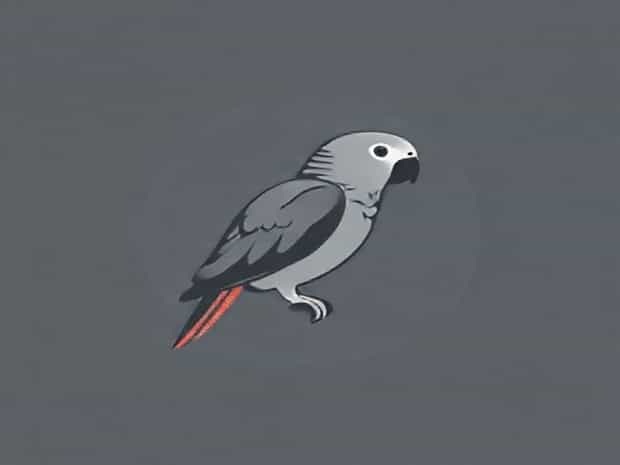
African Grey parrots are medium-sized birds, generally ranging between 12 to 14 inches in length, with a wingspan of approximately 18 to 20 inches. Their plumage is predominantly grey, with a white facial mask around the eyes and a striking red tail in the Congo African Grey or a maroon tail in the Timneh subspecies. The curved beak is black and powerful, ideal for cracking nuts and climbing, while their feet are adapted for grasping and manipulating objects, a common trait among parrots. These physical attributes align with the general characteristics of parrots, confirming that African Greys are indeed part of the parrot family.
Behavior and Intelligence
One of the defining traits that affirm the African Grey as a parrot is its remarkable intelligence and complex behavior. African Greys are renowned for their exceptional ability to mimic human speech and sounds from their environment, often learning hundreds of words and phrases. This advanced vocal ability is not only a form of communication but also a reflection of their highly developed cognitive abilities. Studies have shown that African Grey parrots possess problem-solving skills comparable to that of a young human child, demonstrating memory, reasoning, and social learning capabilities.
Social Behavior
Like other parrot species, African Greys are highly social creatures. In the wild, they form large flocks and engage in cooperative behaviors, including mutual preening, vocal communication, and coordinated foraging. These social interactions are critical for their survival and play a significant role in their cognitive development. In captivity, African Grey parrots require mental stimulation and social interaction to prevent boredom, which can lead to behavioral issues such as feather plucking or excessive vocalization. The necessity for social engagement is a hallmark of parrot behavior, further cementing their classification as true parrots.
Diet and Habitat
Understanding the natural diet and habitat of African Grey parrots also highlights their alignment with typical parrot species. In their native African rainforests, they feed on a variety of fruits, nuts, seeds, and vegetation, demonstrating an omnivorous diet that is common among parrots. Their beaks are well adapted for cracking nuts and manipulating food items, a characteristic feature of the parrot family. Additionally, African Greys are highly adaptable, capable of living in dense forests, savannas, and even near human settlements, which reflects the versatility often observed in parrots.
Conservation Status
African Grey parrots are currently listed as endangered due to habitat loss, deforestation, and illegal pet trade. Their status underscores the importance of understanding and preserving parrot species, as their intelligence and social complexity make them particularly vulnerable to captivity-related stress. Conservation efforts focus on protecting their natural habitats, regulating trade, and promoting breeding programs to sustain population numbers. Recognizing them as parrots is critical for global awareness and conservation initiatives.
Communication and Learning Abilities
The African Grey’s capacity for learning and communication is one of the most compelling reasons they are identified as parrots. Unlike many birds, parrots possess a specialized vocal organ called the syrinx, which allows them to produce a wide range of sounds. African Greys use this ability to communicate with their flock in the wild, and in captivity, they can learn to mimic human speech with remarkable clarity. Research involving African Grey parrots, such as those conducted by Dr. Irene Pepperberg with the famous parrot Alex, has shown that these birds can understand concepts like color, shape, and number, which is unparalleled among most bird species.
Training and Interaction
Training an African Grey requires patience, consistency, and social interaction, reflecting their parrot-like intelligence. Positive reinforcement methods, such as offering treats and praise, are commonly used to teach new words, behaviors, or tricks. Interaction with humans and other birds is essential to maintain their mental and emotional well-being, demonstrating the same social complexity observed in other parrot species. This training capability emphasizes their classification as true parrots, highlighting both their cognitive and social parallels to other members of the Psittacidae family.
the African Grey is undeniably a parrot. From a taxonomic perspective, it belongs to the Psittacidae family and exhibits all the key physical characteristics associated with parrots, including a curved beak, zygodactyl feet, and vivid plumage. Its behavioral traits, such as advanced communication skills, social interactions, problem-solving abilities, and adaptability, further reinforce its classification as a parrot. Whether observed in the wild or in captivity, African Grey parrots embody the intelligence, charm, and versatility that make parrots one of the most fascinating bird families. For enthusiasts, researchers, and pet owners alike, understanding the African Grey’s parrot identity is crucial for proper care, conservation, and appreciation of this remarkable bird.