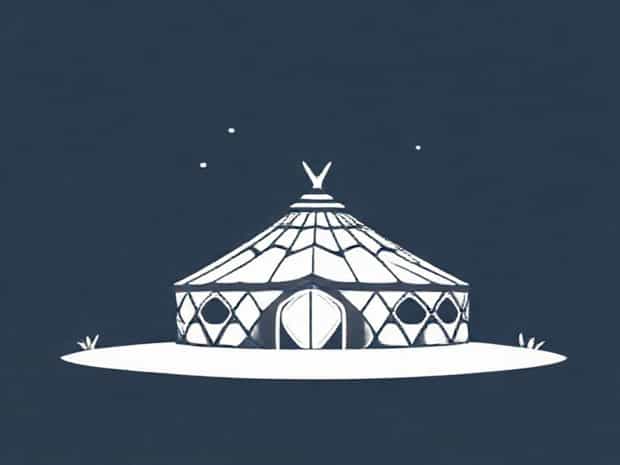
Is A Yurt A House
A yurt is one of the most fascinating types of dwellings that has gained attention across the world. While traditionally used by nomadic people of Central Asia, yurts are now appearing in many countries as alternative housing, vacation rentals, and eco-friendly living spaces. The question often arises is a yurt a house? To answer this, it is important to look at what defines a house, how a yurt is built, and whether it can provide the functions of a permanent residence. Understanding these aspects helps clarify the role of a yurt in modern life and whether it fits into the category of a home.
What Defines a House?
Generally, a house is a structure designed for people to live in. It provides shelter, safety, and comfort. A typical house has solid walls, a roof, doors, and windows. It often includes rooms for sleeping, cooking, and bathing. Houses are meant to be stable, offering protection against the elements while serving as a private living space. The definition of a house, however, is not fixed, as different cultures and regions have their own interpretations of what makes a dwelling a home. This flexibility allows unique structures, like yurts, to be considered as housing options in certain contexts.
What is a Yurt?
A yurt is a portable, round tent-like structure originally developed by nomadic tribes in Mongolia and surrounding regions. Traditionally, yurts were designed for mobility, allowing families to dismantle them, move to a new location, and set them up again within a short time. A yurt’s frame is typically made of wood or bamboo lattice, while the covering consists of felt or canvas. Modern yurts have evolved, with upgraded materials such as waterproof fabrics, insulation, and even glass windows, making them suitable for long-term use.
Key Features of a Yurt
- Round shape with a central support structure
- Portable design for easy assembly and disassembly
- Wooden frame and fabric or felt covering
- Energy-efficient interior due to circular airflow
- Adaptability to both traditional and modern lifestyles
Is a Yurt Considered a House?
The answer depends on perspective. From a legal standpoint, some regions may not classify a yurt as a house because it does not always meet building codes or zoning regulations. However, from a practical viewpoint, a yurt can function as a house if it provides shelter, safety, and the amenities required for daily living. Modern yurts equipped with plumbing, electricity, and insulation can easily meet the requirements of a comfortable home.
Comparing Yurts to Traditional Houses
When comparing yurts to traditional houses, several differences and similarities stand out. A conventional house is usually built with permanent materials such as brick, wood, or concrete. It is designed to last for decades or even centuries. A yurt, on the other hand, is semi-permanent, offering flexibility but sometimes lacking the durability of a fixed house. Yet, yurts can be surprisingly long-lasting when built with high-quality materials and maintained properly.
- DurabilityHouses typically last longer, but modern yurts can remain in good condition for many years.
- CostYurts are often more affordable than traditional homes.
- MobilityYurts can be dismantled and moved, unlike most houses.
- ComfortWith insulation and utilities, yurts can be as comfortable as houses.
Living in a Yurt
For many people, living in a yurt is not only possible but desirable. Yurts offer a minimalist lifestyle, reducing clutter and encouraging a closer connection with nature. Some individuals use yurts as permanent residences, while others use them as vacation cabins or guest houses. The round design also creates a sense of openness and harmony inside the space, which many find appealing.
Benefits of Yurt Living
- Lower construction costs compared to traditional houses
- Eco-friendly building materials and energy efficiency
- Flexible use as a primary home, secondary dwelling, or retreat
- Closer connection to the natural environment
Challenges of Yurt Living
- May not meet local housing codes or zoning requirements
- Limited privacy compared to multi-room houses
- Potential issues with extreme weather if not properly insulated
- Requires maintenance of fabric covers and wooden frame
Yurts in Modern Housing Trends
In recent years, yurts have become part of the tiny house movement and alternative housing solutions. With rising housing costs, many people seek more affordable ways to live comfortably. Yurts provide an attractive option because they are less expensive to build and maintain. In addition, the growing interest in sustainable living has boosted the popularity of yurts, as they use fewer resources and have a smaller environmental footprint than conventional homes.
Are Yurts a Permanent Solution?
One of the biggest questions about yurts is whether they can serve as permanent homes. The answer is yes, with some conditions. A well-constructed modern yurt with proper foundations, insulation, and utilities can serve as a long-term dwelling. Some people live in yurts year-round, even in regions with cold winters, by adding heating systems and durable coverings. However, in some places, regulations may limit their use as full-time residences.
Cultural Significance of Yurts
Beyond their practical use, yurts hold cultural and historical importance. For nomadic tribes, the yurt was more than just a dwelling it symbolized family, tradition, and mobility. Even today, yurts are central to cultural identity in Mongolia and Central Asia. By adopting yurts in modern times, people are not only embracing alternative housing but also preserving a piece of history.
So, is a yurt a house? The answer is both yes and no. A yurt can function as a house by providing shelter, comfort, and a place for daily living. Modern versions with added utilities and insulation are capable of serving as permanent homes. However, legal and cultural definitions may differ depending on location and context. Ultimately, a yurt’s value lies in its adaptability, affordability, and unique design, which make it an appealing choice for those seeking a different way of living. Whether used as a primary residence or a seasonal retreat, a yurt proves that the concept of a house can extend far beyond traditional walls and rooftops.
In the end, what truly makes a dwelling a home is not just its structure, but the life and experiences it holds. For many, a yurt is not only a house it is a lifestyle, a statement of simplicity, and a bridge between tradition and modern living.
1/2